
Federal Reserve staff “knew, or should have known” about Silicon Valley Bank’s vulnerabilities leading up to its collapse more than three years ago, according to initial findings by an independent review released on Sept. 18.
During an address in London, Fed Vice Chair for Supervision Michelle Bowman presented Starling Advisory Group’s external assessment of how the U.S. central bank oversaw Silicon Valley Bank—also known as SVB.
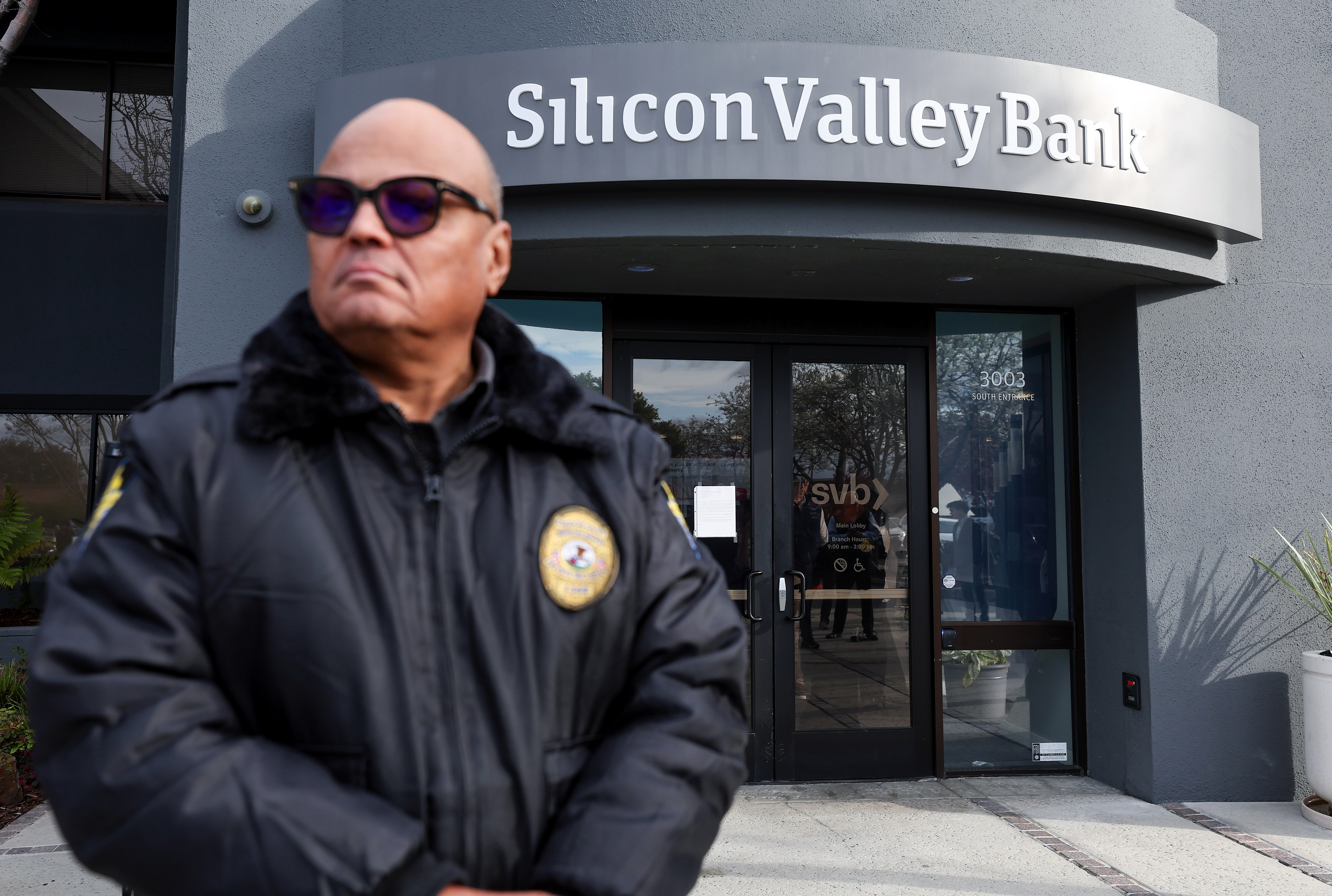
SVB became the second-largest bank failure in U.S. history—only behind Washington Mutual in 2008—as it unraveled between March 8 and March 10, 2023.
It was a specialized commercial bank whose clientele was primarily venture-capital firms and tech startups.
Its closure sparked contagion across the regional banking sector and the broader financial system, Bowman told an audience at a Luncheon of the Lord Mayor of London at Mansion House.
“It fundamentally shook public confidence in the effectiveness of bank supervision. That loss of confidence demands our response. And transparency is where accountability begins,” Bowman said.
Total U.S. commercial bank deposits fell sharply by more than $300 billion between March 8 and April 12, 2023. They have since rebounded, reaching an all-time high of almost $19.6 trillion in early September.
Signature Bank shuttered two days later, marking the third-largest bank failure in the nation’s history.
First Republic Bank, facing an exodus of deposits from wealthy clients, folded in May, and JPMorgan Chase absorbed its assets.
In a separate speech, Bowman defended reforms to annual bank stress tests for large banks that the U.S. central bank plans to implement next year.
Better analysis, transparency, disclosure, and risk profiles will improve the stress testing process, she said. “Had the Fed applied this type of analysis, supervisors could have measured the effect of a range of stressful scenarios on SVB’s portfolios, exposures, and capital and liquidity positions.”
Three Days in March
SVB confirmed at the time that it had sold almost $2 billion in securities and needed to raise $2.25 billion in capital.
It invested heavily in long-duration Treasury bonds during the tech-boom deposit surge in previous years. After the Fed raised interest rates to combat inflation, these securities plummeted in value, causing massive losses in SVB’s bond portfolio.
To make matters worse, panic spread through the tech community, as 94 percent of its deposits exceeded the Federal Deposit Insurance Corporation’s $250,000 insurance limit.
In one day, SVB witnessed a $42 billion bank run.
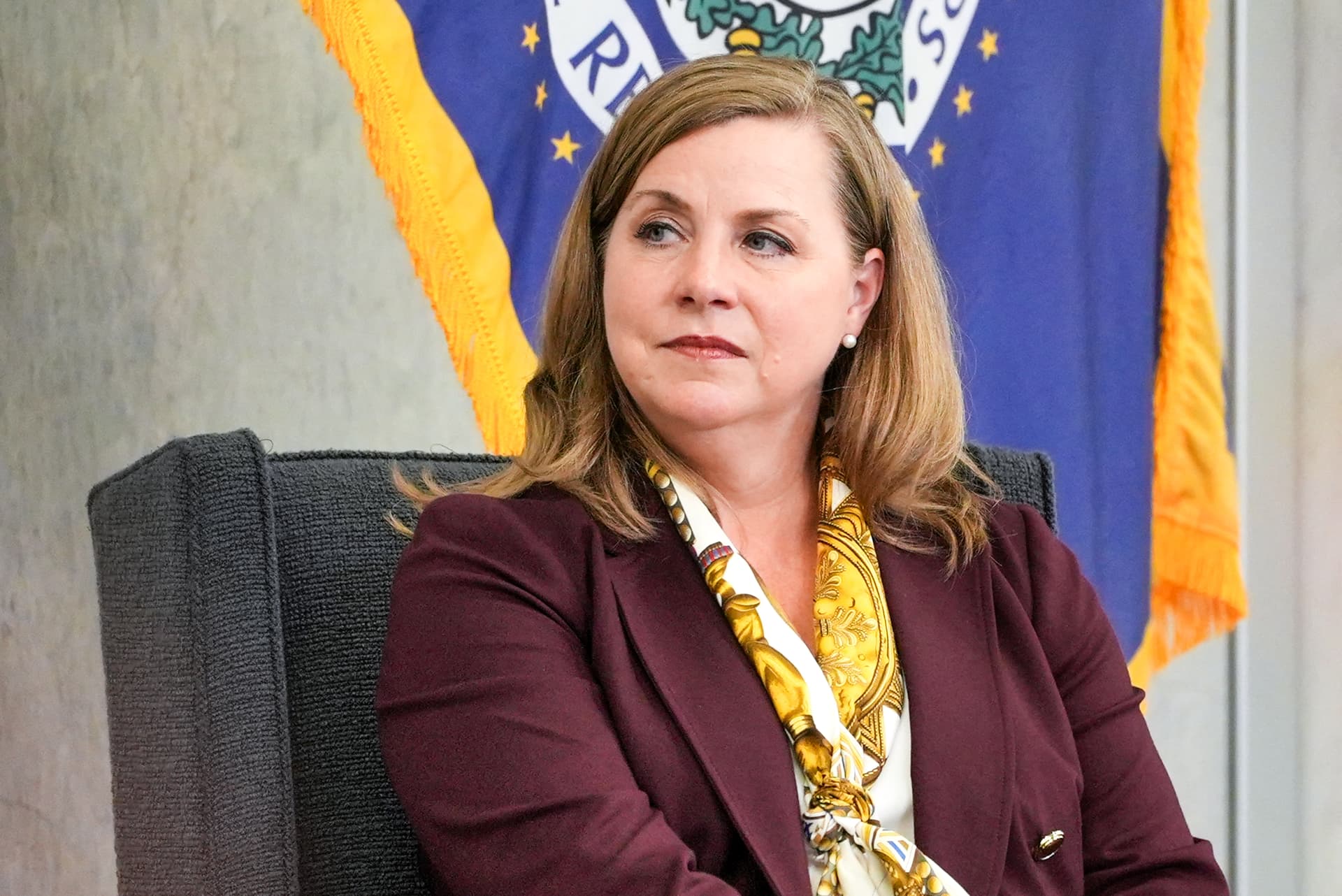
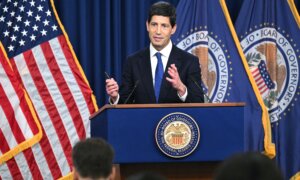
Michelle Bowman, vice chair for supervision of the Federal Reserve Board of Governors, moderates a discussion during the Federal Reserve's Integrated Review of the Capital Framework for Large Banks Conference in Washington on July 22, 2025. (Ken Cedeno/Reuters)
Some speculated that social media exacerbated deposit outflows, but officials say little evidence supports that claim.
Ninety-six percent of the social media comments surrounding the bank run occurred “after SVB’s failure was inevitable.”
“Our supervisory staff knew, or should have known, about these vulnerabilities as early as March 2022,” Bowman said.
“Despite what it knew or should have known, supervisory staff did not take prompt and decisive action to encourage or require SVB to reduce its interest rate risk or concentration of vulnerabilities.”
After SVB’s collapse, a chorus of economists and lawmakers argued that deregulatory efforts from 2018 legislation—the Economic Growth, Regulatory Relief, and Consumer Protection Act—led to SVB’s downfall.
However, according to the outside review, Fed supervisors’ inaction was a key factor.
“One significant factor contributing to supervisory inaction was a long-standing culture of risk aversion,” Bowman stated. “Staff believed it was personally safer to take no action unless they were certain the action was exactly right.”
Additionally, unclear decision‑making authority reinforced a culture of caution, Bowman continued.
Accountability, authority, and responsibility were split across the regulatory system, leaving supervisors unsure “who could provide certainty that a particular action was correct.”
This finding was echoed by then-Vice Chair for Supervision Michael Barr, who determined in a review that Fed staff were overcautious in their response to the ordeal.
But ultimately, Barr said in an April 2023 report, SVB’s collapse was “a textbook case of mismanagement by the bank.”
“Its senior leadership failed to manage basic interest rate and liquidity risk. Its board of directors failed to oversee senior leadership and hold them accountable. And Federal Reserve supervisors failed to take forceful enough action, as detailed in the report,” Barr said at the time.
Meanwhile, the external investigation could shed fresh light on Barr’s role leading up to and following the regional banking crisis meltdown.
Barr stepped down from this role in February 2025 but continues to serve on the Federal Reserve Board of Governors.