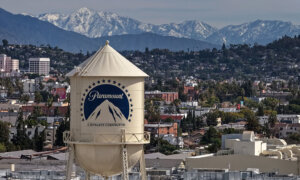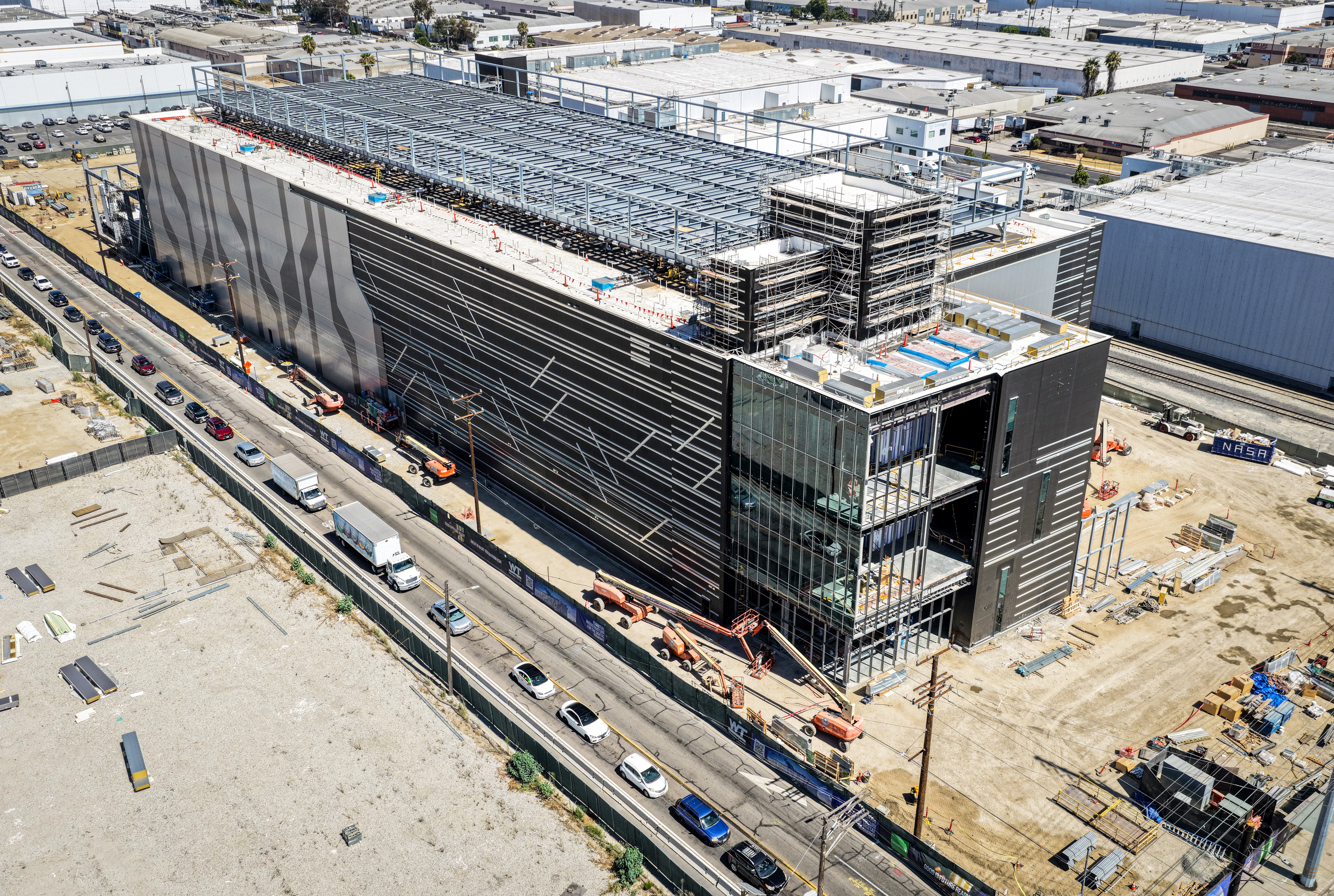

California Gov. Gavin Newsom signed seven bills on Sept. 21 to regulate data centers, including measures requiring disclosures about electricity and water use.
Newsom’s office said the laws will give communities more information about resources proposed data centers would use so they can better weigh the economic costs and benefits of such projects.
“With these laws, we are ensuring that Californians remain in the driver’s seat — and that those profiting from data centers aren’t doing so at our expense,” Newsom said in a statement.
Under the new laws, large data centers must pay some of the costs for upgrading the electricity grid and comply with state energy procurement requirements rather than shifting those costs onto ratepayers, his office said.
Developers of proposed data centers must also tell local governments and water suppliers how much water they expect to use, where it will come from, and how they plan to conserve water during a drought. Data centers must also pay for any water infrastructure upgrades, Newsom’s office said.
The legislation also makes data centers ineligible for some exemptions from California environmental review requirements. Projects can still qualify for a faster path if they meet state energy, water, and fuel standards.
The measures come amid growing concern nationwide over the impact of data centers on electricity demand, water resources, and local infrastructure as technology companies race to expand artificial intelligence capabilities. The rapid expansion of AI data centers has sparked resistance in California and elsewhere, with residents and advocacy groups raising concerns about electricity bills and pollution associated with the facilities.
A large data center using evaporative cooling can draw more than a million gallons of water a day during summer peaks, according to researchers from UC Riverside, Rochester Institute of Technology, and Caltech.
The Data Center Coalition, an industry trade group, said its members were committed to responsible development but warned the measures could push projects to other states.
“Legislation such as these create significant uncertainty and introduces potentially duplicative requirements that make doing business in California an unattractive proposition for data centers and other industries,” Khara Boender, a director of government affairs for the group, said in a statement.
“These are likely to further limit data center development in California — an already declining market—which pushes job creation, clean energy deployment, and tax revenue to neighboring states.”
Texas Halts Permits
Newsom signed the bills as Gov. Greg Abbott on Sept. 21 directed the Texas Commission on Environmental Quality to halt every permit sought by data centers amid state efforts to enforce its data center standards. The freeze remains in place until the Electric Reliability Council of Texas and Texas Water Development Board complete their audits.
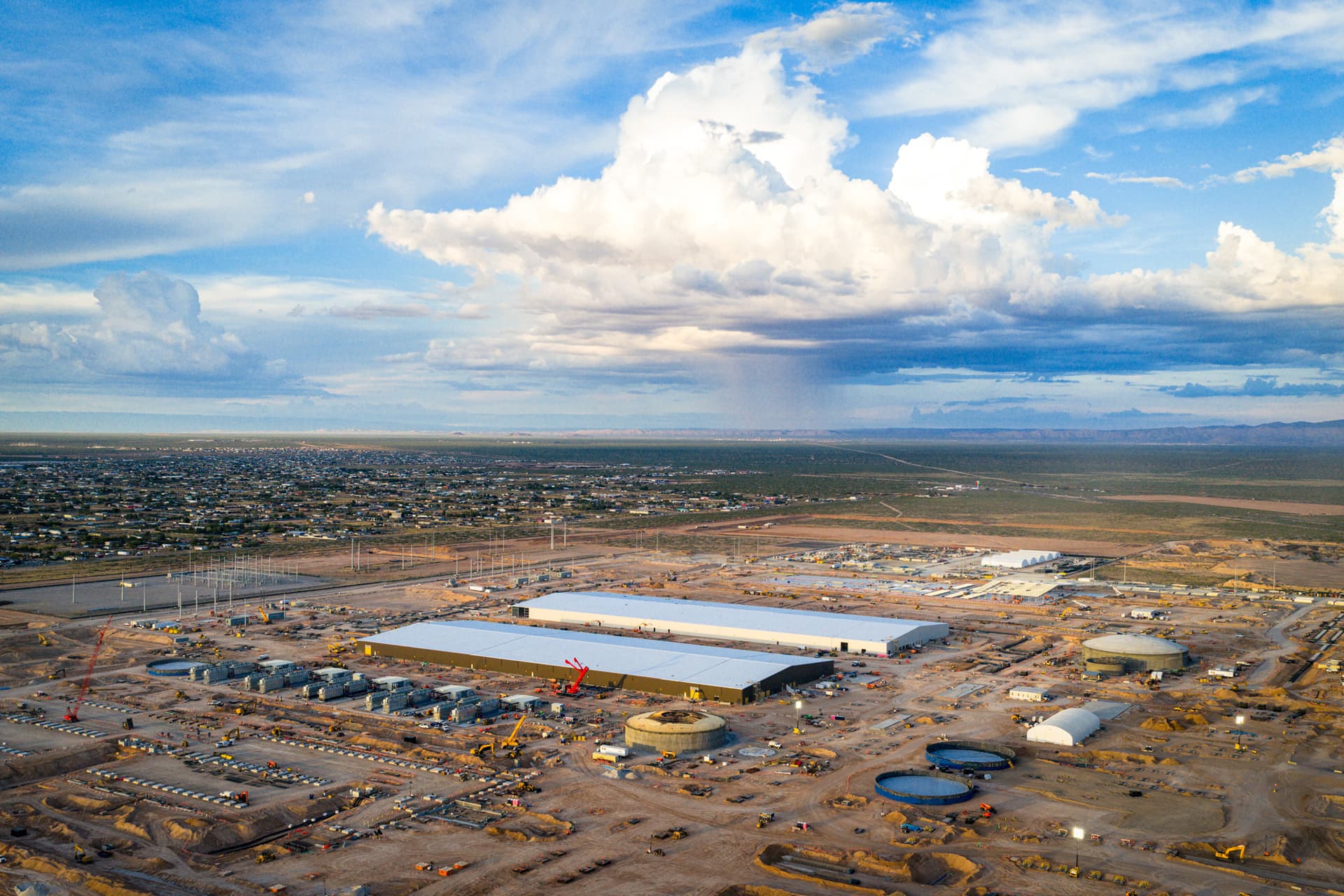
Meta's El Paso data center in El Paso, Texas, on Aug. 13, 2026. (Brandon Bell/Getty Images)
New York Gov. Kathy Hochul signed an executive order in July ordering a statewide moratorium on large data centers. It was the first state in the country to suspend server farm construction.
Reuters contributed to this report.