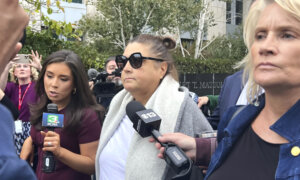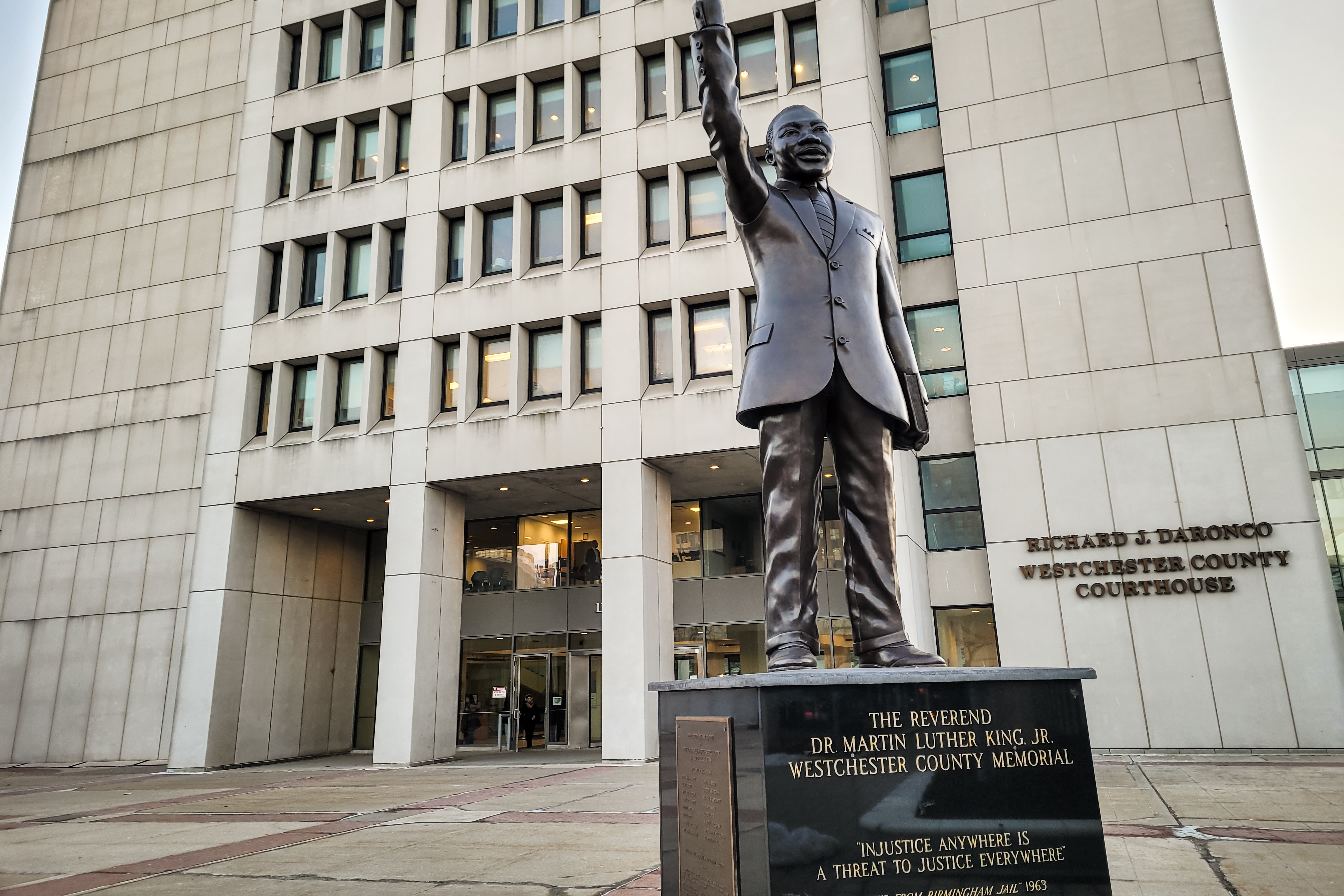

WHITE PLAINS, N.Y.—Fox Varian, the woman at the center of a gender-related malpractice suit, testified on Jan. 27 that she was “desperate and terrified” at age 16 when she sought the breast removal surgery approved by the two doctors she’s currently suing.
Although she asked for the procedure, she had been suffering from a host of mental issues that she said providers failed to adequately address.
“I don’t think that [responsibility] really falls squarely on my shoulders,” Varian told the court. “It falls on the shoulders of the adults that were supposed to guide me.”
As her civil suit against her health care providers enters its third week, jurors have to decide whether to hold the providers liable for malpractice.
Varian, now 22 and identifying as female, is suing her former psychologist Dr. Kenneth Einhorn, after he wrote a letter in 2019 approving her breast removal—also known as “top surgery.” She is also suing the surgeon, Dr. Simon Chin, along with his and Einhorn’s respective employers.
One issue at the heart of the case is an ongoing dispute about whether Varian actually had gender dysphoria—distress caused by a mismatch between one’s biology and one’s interior perception of gender. Her attorneys have suggested that she only had body dysmorphia, an irrational fixation on a physical flaw or part of one’s anatomy, that doctors failed to recognize.
Neither side is questioning whether such surgeries are appropriate for minors: Varian’s attorneys are arguing that she was not a proper candidate for the procedure, and that Einhorn and Chin failed to recognize that.
Throughout the trial, attorneys for both Einhorn and Chin emphasized that Varian, not the doctors, was the driving force behind almost all of the decisions involving her gender. This included changing her name several times, cutting her hair short, and wearing a “chest binder” to conceal her breasts.
Notes from Chin and Einhorn’s records indicate that Varian initially said she was “happy” with the results of the surgery.
But Varian told the court that her real feelings were more complex, that she was experiencing “cognitive dissonance” and “had to bury” any misgivings she had in the aftermath of the procedure. At that time, she wanted to focus on the positive, she said, and did not express her real feelings to either doctor, or to her mother, who signed the consent form.
Varian’s mother had testified that she was firmly against the procedure, but consented because she feared her daughter might commit suicide without it. Pressure from Einhorn had contributed to that fear, she said, since he had frequently emphasized to her that youth with gender dysphoria were at risk for self-harm.
When cross-examined by Einhorn’s attorney Sabrina Sellers at Tuesday’s hearing, Varian admitted that she had expressed thoughts of suicide before meeting Einhorn. She said she expressed similar feelings over problems at school, and other issues like dissatisfaction with her weight, and suggested this might be common among teenagers.
Varian also told the court that Einhorn repeatedly counseled her to take hormone therapy, but she firmly resisted that advice.
“He made it sound like I would never be happy” without the hormones, Varian said. “The way he brought it up over and over again” made her feel that he didn’t “support” her decision to skip taking hormones.
Sellers pointed out that Varian continued to use either “he” or “they” pronouns for years following the breast removal, and saw Einhorn until March 2022. Her new psychologist’s notes did not mention regret about the surgery until December 2023, months after she had already filed her lawsuit.
But Varian insisted that she had been expressing her regrets to her new psychologist for quite some time before that, and wasn’t sure why her therapist hadn’t made notes about it during previous sessions.
“See, this is why I don’t go to therapy anymore, because apparently people don’t listen to what I’m saying,” she said.