A 56-year-old professor recently experienced sudden dizziness, nausea, and vomiting.
He also had a noticeably protruding abdomen, which, in traditional Chinese medicine (TCM), is often associated with the “damp-phlegm pattern”—a state in which the body’s metabolic functions are relatively weak, making it easier for excess fluids and fat to accumulate.
During pulse diagnosis, his wrist pulse felt taut—similar to a tightly stretched string. In TCM, a taut pulse is considered a sign of liver qi (energy) “stagnation” with “dry heat.”
To help prevent such symptoms, it is important to nurture and support the liver in the spring.
Jonathan Liu, director of Liu’s Wisdom Healing Centre, and a contributor to The Epoch Times, shared this case in an interview.
Although the weather in some northern regions still feels cold and winter-like, he said, plants have already begun to sprout—an indication that vitality is emerging and nature is entering a period of growth. The human body should likewise adapt to this seasonal process of awakening and adjustment.
However, if a person’s lifestyle does not keep pace with the seasonal transition—for example, due to excessive stress, overwork, or irregular daily routines—liver-related symptoms are more likely to arise in the spring. These can include dizziness, insomnia, and emotional fluctuations.
Common Warning Signs of Liver Imbalance
In TCM, there is a long-standing health principle known as “nourishing the liver in spring.” The liver plays several key roles in the body, including regulating circulation and metabolism. It is also closely linked to emotional stability, digestive function, and the smooth flow of blood.
TCM emphasizes the concept of “man-nature unity,” Liu noted. Through long-term observation of natural climate patterns, ancient practitioners summarized the basic rhythm of life as “spring birth, summer growth, autumn harvest, and winter storage,” reflecting a continuous and recurring cycle.
Since humans exist within nature, the body is closely connected to the movements of heaven and earth and interacts energetically with the rhythms of the sun, moon, and the wider universe.
When the body fails to adapt to seasonal changes, the following symptoms may arise:
Fatigue
Many people feel unusually drowsy in the spring, often due to excessive energy depletion during the winter and insufficient rest and recovery.
In TCM, the concept of “winter storage” refers to conserving physical and mental energy during the winter months.
If reserves are insufficient, the body may struggle to adapt as spring approaches. Conversely, when energy has been adequately stored during winter, people naturally feel more energetic in the spring.
Sleep Disturbances
In addition to fatigue, some people may experience insomnia or a decline in sleep quality.
Women who are approaching or going through menopause are particularly prone to insomnia due to “liver blood deficiency.” In TCM, liver blood refers to the nourishing substances that support the liver.
When liver blood is deficient, symptoms may include a pale complexion, more pronounced vertical ridges on the nails, and dry or irritated eyes.
One case involved a woman in her thirties, the eldest daughter in her family. Her parents were particularly strict with her, which caused significant emotional distress, leading to “hyperactivity of liver fire” and “stagnation of liver qi.” She recently developed noticeable heart palpitations and insomnia, prompting her to seek treatment.
After receiving acupuncture to soothe her liver and regulate qi, her symptoms gradually improved.
Dizziness
As temperatures rise in spring, the body becomes more active and metabolism speeds up. During this period, the liver must work harder to carry out processes such as breaking down, synthesizing, and metabolizing substances.
According to TCM meridian (energy pathways) theory, the liver’s energy rises to the head. When liver energy becomes imbalanced, it may lead to symptoms such as dizziness and headaches.
Spring Allergies
Spring allergies include conditions such as allergic rhinitis, hives, and skin sensitivities. Conventional medicine views spring allergies as immune reactions triggered when the skin or mucous membranes come into contact with allergens.
TCM, however, holds that when the body’s defensive energy is weakened, external influences are more likely to trigger allergic reactions. This condition is often associated with insufficient rest during the winter and inadequate energy reserves.
Thus, TCM emphasizes “preventing illness before it arises” by adjusting lifestyle habits and diet during the spring to help the body better adapt to seasonal changes.
A Classic TCM Formula for Stress Relief
The liver is considered particularly sensitive to stress. One of the best ways to care for the liver is therefore to
reduce stress, maintain emotional balance, and avoid anger.
Certain traditional herbal formulas may also help regulate mood. One well-known example is Xiaoyao San, a classic TCM prescription that soothes the liver and regulates qi.
A 2024 prospective cohort study found that taking Xiaoyao San improved the psychological well-being of cancer patients.
However, Liu noted that although Xiaoyao San may help regulate emotions, medication alone cannot produce good results if a person’s mindset does not change.
“As one of my mentors used to say, ‘If the person is not carefree, the medicine will not work.’ So in treating illness, we must treat not only the body, but also the mind.”
Supporting Liver Health Through Diet
In addition to emotional balance, diet is another key factor in supporting liver health. According to TCM theory, liver dysfunction is first reflected in the digestive system. Therefore, treatment approaches often begin with strengthening digestive function.
Key dietary principles for supporting liver health include:
Eat Less Sour and More Sweet
According to the Five Elements theory in TCM, the five elements—metal, wood, water, fire, and earth—
correspond to different internal organs, as well as to specific seasons, emotions, colors, and flavors.
The liver corresponds to the sour flavor, while the digestive system—represented by the spleen and stomach—corresponds to the sweet flavor. In other words, sour flavors are primarily associated with the liver, whereas sweet flavors are associated with the digestive system.
In spring, sour foods may be eaten in moderation. However, excessive intake can disrupt the body’s energy balance.
Eating more foods with natural sweetness—such as whole grains, Chinese yams, sweet potatoes, red dates, honey, and fruits—can help strengthen the digestive system. However, it is important to avoid too much added sugar, which may place additional strain on digestion.
Incorporate Aromatic and Pungent Vegetables
Eating vegetables with natural aromatic and pungent qualities—such as Chinese chives, leeks, spinach, celery, shepherd’s purse, and scallions—can help promote circulation and metabolism while easing physical and mental tension caused by prolonged stress.
A 2023 review found that the active components in leeks may help promote blood circulation, relieve fatigue, regulate cellular metabolism, and exert anti-inflammatory, antibacterial, and anticancer effects.
Eat Medicinal Foods
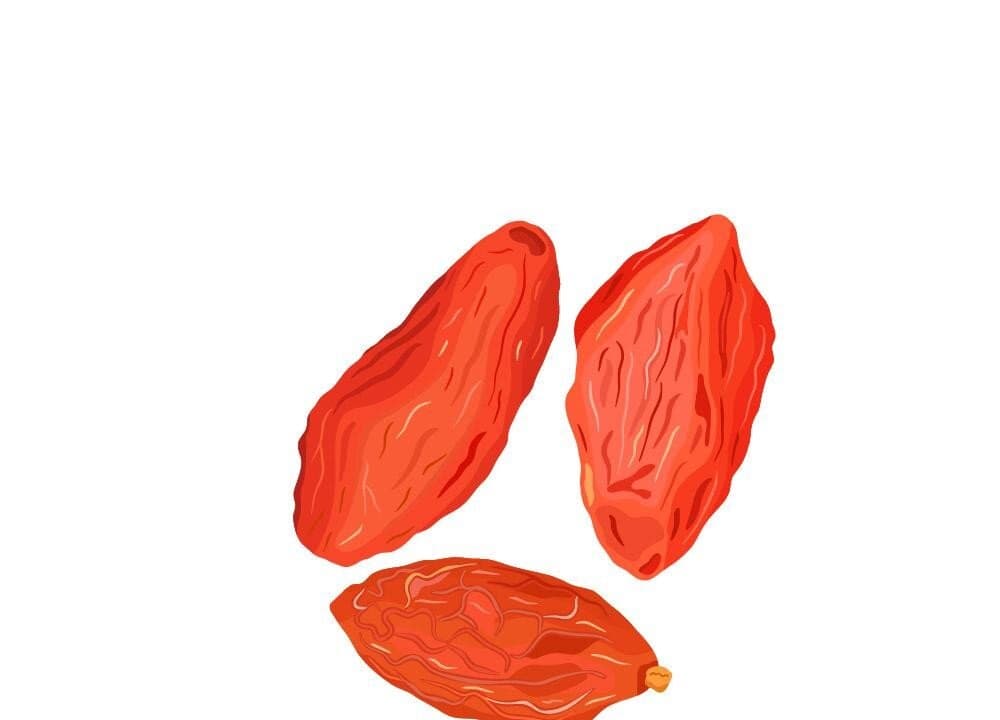
It is recommended to choose ingredients with mild and gentle properties—such as pilose asiabell root, goji berries, Chinese yam, and sesame—which can help nourish the liver without harming the spleen and stomach, while avoiding the discomfort of internal heat that may arise from excessive supplementation.
Pilose asiabell root, also known as Dang Shen, is a traditional medicinal herb with anti-inflammatory and antioxidant properties.
A 2024 study found that active compounds in Dang Shen may help inhibit the growth of liver cancer cells.
Drink Herbal Teas
Choose teas that are relatively safe and suitable for long-term consumption.
For example, rose and red date tea may help regulate mood, relieve stress, tonify the blood, and support a healthy complexion. It is particularly suitable for people who experience frequent mood fluctuations, poor sleep, or a pale complexion.
Preparation
- Add 0.1 to 0.2 ounces of dried rose flowers to a cup or teapot.
- Add two to three pitted red dates.
- Pour in hot water and allow the ingredients to steep.
- Add a small amount of rock sugar, if desired.
Ensure Meals Are Nutritious but Not Greasy
Spring diets should follow the principle of being “nourishing but not greasy,” Liu said.
It is also important to maintain a balanced intake of meat and vegetables. Additionally, overeating should be avoided, as it can place additional strain on the digestive system and affect overall metabolism.
Note: Some herbs mentioned in this article may be unfamiliar, but are generally available in health food stores and Asian grocery stores. Treatment methods may vary depending on the individual. Please consult with a health care professional for a specific treatment plan.
The Importance of Long-Term Lifestyle Adjustment
Shu Rong, director of the Doctor Rong Clinic in the UK and a contributor to The Epoch Times, noted that TCM often emphasizes the principle “30 percent treatment and 70 percent self-care,” meaning TCM practitioners can help correct imbalances through treatments such as acupuncture and herbal medicine. However, the factors that truly influence recovery are a person’s daily habits, including diet, sleep patterns, and emotional management.
If lifestyle habits do not change, even the best treatments may not produce lasting results. Therefore, when dealing with liver-related health issues, relying solely on medical consultations or medication is not sufficient—consistent daily self-care is key.