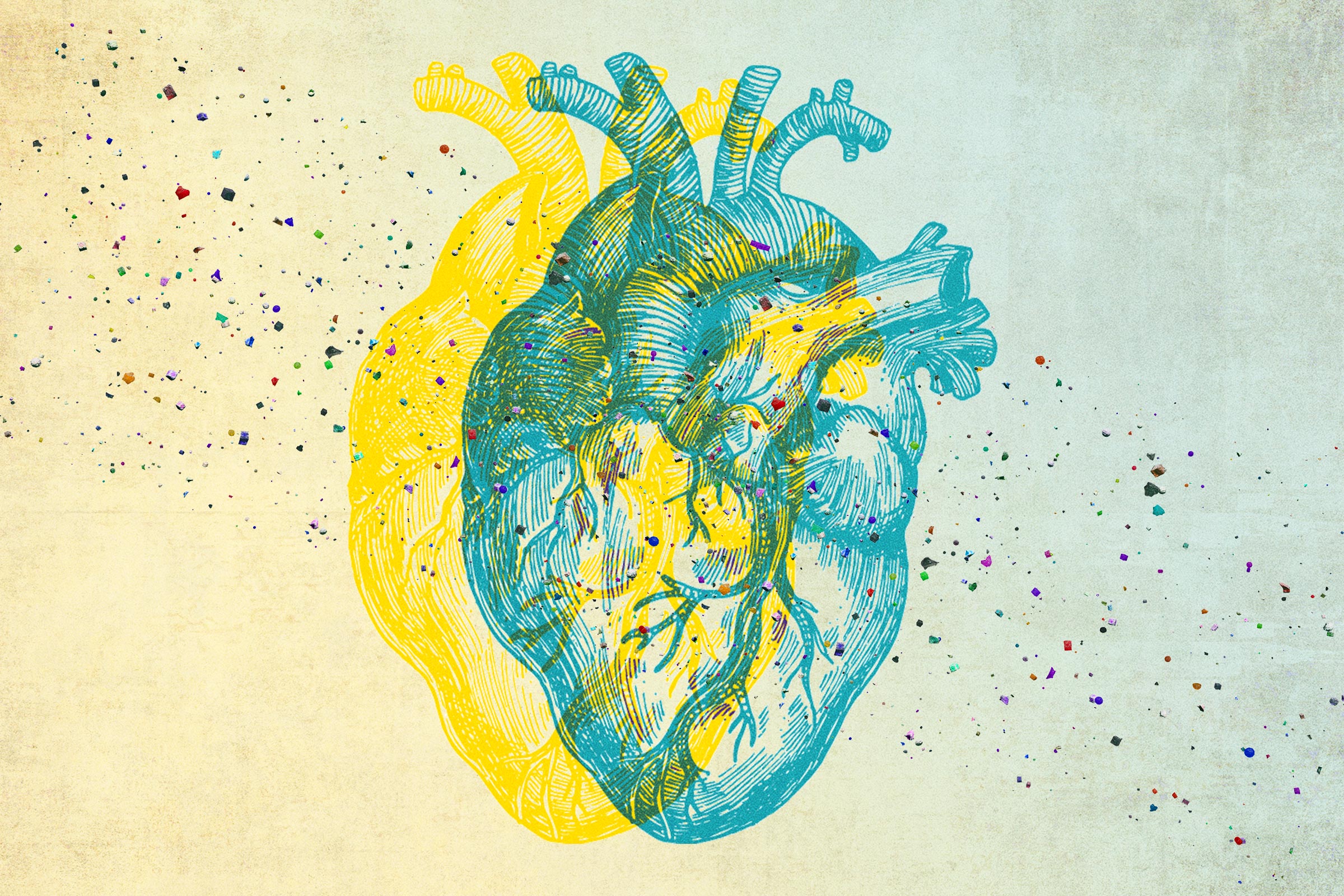

Microplastics Are Linked to Heart Disease–Here’s How to Lower Your Risk
Comments
Link successfully copied
(Illustration by The Epoch Times, Shutterstock)
By Ellen Wan
9/4/2025Updated: 9/11/2025

Microplastics are increasingly being detected in the human body, raising questions about their potential effects on long-term health. Research suggests they may influence immunity, hormones, and cardiovascular function, though many mechanisms remain under study.

Alongside conventional advice to reduce exposure, traditional Chinese medicine (TCM) offers approaches aimed at strengthening the body’s natural defenses and supporting detoxification.

Microplastics Can Stay in the Body


Microplastics enter the human body through food, air, and skin contact. A study published in the Archives of Toxicology in June identified polystyrene, polyethylene terephthalate, and polyacrylonitrile nanoparticles in autopsy samples. These findings show that microplastics can pass through biological barriers and accumulate in specific tissues. The highest levels were found in the thyroid, kidneys, and brain tissues.

Luo Yueh-Hsia, an associate professor from the Department of Life Sciences at Taiwan’s National Central University, shared that microplastics have been detected in human blood. This suggests that not all microplastics are excreted through feces or urine. Some may stay in the body, and it’s still unclear how they are broken down and eliminated.

How Microplastics Affect Hormones and Immunity


More than 10,000 chemicals are used in plastic production, including plasticizers, flame retardants, colorants, and ultraviolet stabilizers—many of which are proven endocrine disruptors. These substances can interfere with hormone function, harm the reproductive system, and weaken the immune system.

Studies show that microplastics may trigger inflammation. When they build up in the spaces around cells, they can block communication pathways and prevent immune cells from responding properly.

Microplastics May Increase Risk of Heart Disease and Stroke


Growing evidence suggests a link between microplastics and impaired cardiovascular function. A 2024 study in the Journal of the American College of Cardiology found that microplastics and nanoplastics may damage blood vessels and promote clotting through several toxic effects.

Dr. Chia-Ming Chang, an attending physician in the Department of Medical Genetics and Eugenics at Taipei Veterans General Hospital, told The Epoch Times that microplastics lingering in blood vessels can attract immune cells, initiating repair processes and triggering chronic inflammation. This worsens the risk of atherosclerosis (fatty buildup in the arteries) and thrombosis (blood clot formation), increasing the likelihood of stroke and death.

A study in The New England Journal of Medicine found that over a 34-month follow-up period, patients with microplastics detected in their carotid artery plaques had a higher risk of stroke, death, or other serious events than those without detectable microplastics.

How TCM May Help Lower Risk


Conventional medicine currently focuses on limiting exposure, drinking enough water, and eating more fiber to promote excretion. However, TCM takes a different route: strengthening the body’s defenses and detox systems to make it harder for toxins to take hold in the first place.

Dr. Jingduan Yang, CEO of Northern Medical Center in New York and an Epoch Times contributor, said: “In TCM, we see microplastics as a modern toxin. When the body’s vital energy is deficient, foreign substances can invade and lodge in tissues. The key is to strengthen the body’s metabolic and detoxification functions to address the problem at its root.”

1. Strengthen the Spleen


In TCM, the spleen is not just a physical organ. It’s part of a system responsible for digestion and for distributing fluids throughout the body. When the spleen is weakened—often due to poor diet, stress, or lack of rest—it loses its ability to effectively process waste and fluid. This leads to the accumulation of “retained toxins.”

Specifically, a weak spleen obstructs the flow of “qi” or vital energy, weakening the body’s internal defenses and detoxification capabilities.

Strengthening the spleen may help the body better process waste and eliminate modern pollutants such as microplastics.


Recipe: Spleen-Strengthening Herbal Tea

This simple herbal tea supports spleen function and helps the body clear retained toxins more efficiently.

Ingredients:


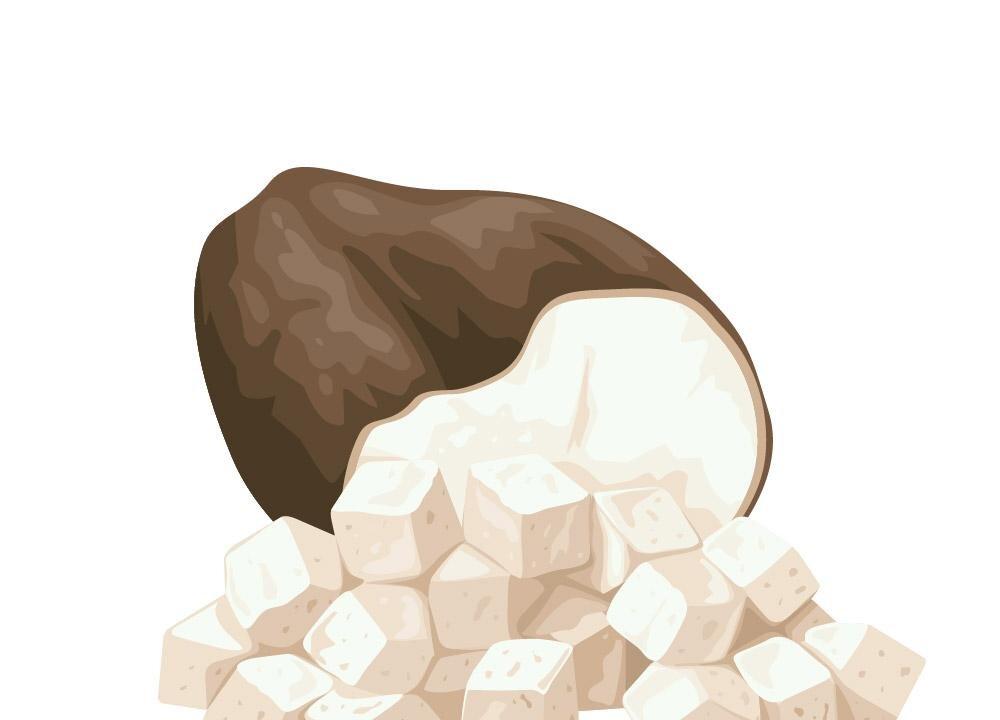
  • 5 grams China root

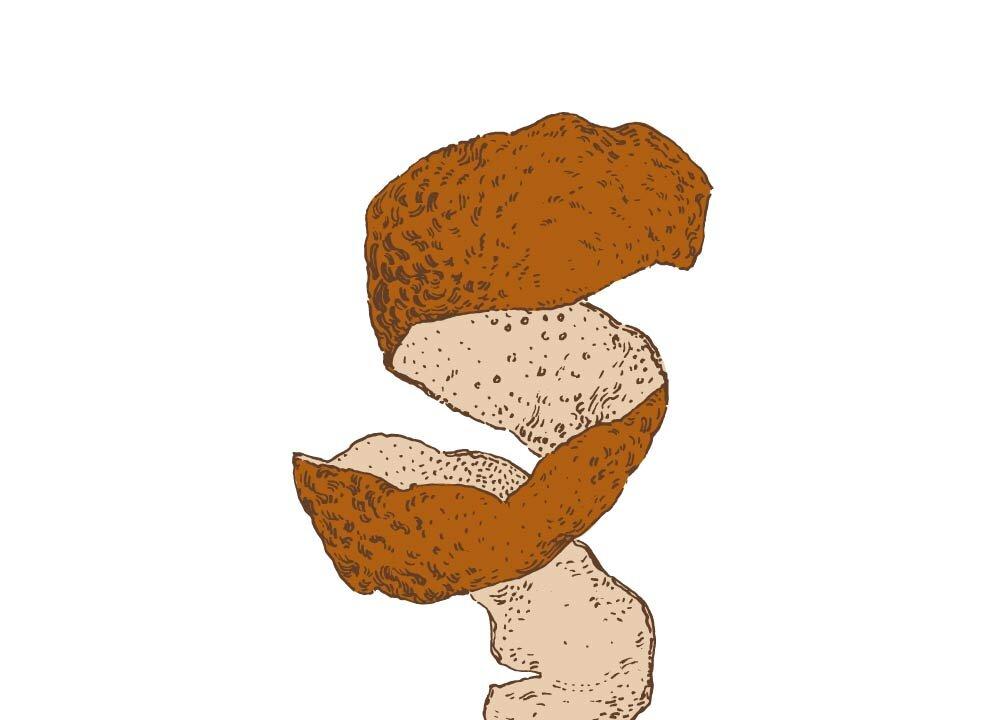
  • 2 grams aged tangerine peel

  • 5 grams coix seeds

  • 500 milliliters hot water


Instructions:

  • Rinse the China root and aged tangerine peel thoroughly.

  • Combine them with the cooked coix seeds in a thermos or insulated cup.

  • Add hot water and steep for five minutes before drinking.

(Illustration by The Epoch Times, Shutterstock)(Illustration by The Epoch Times, Shutterstock)(Illustration by The Epoch Times, Shutterstock)

(Illustration by The Epoch Times, Shutterstock)


Acupoint Massage to Strengthen the Spleen
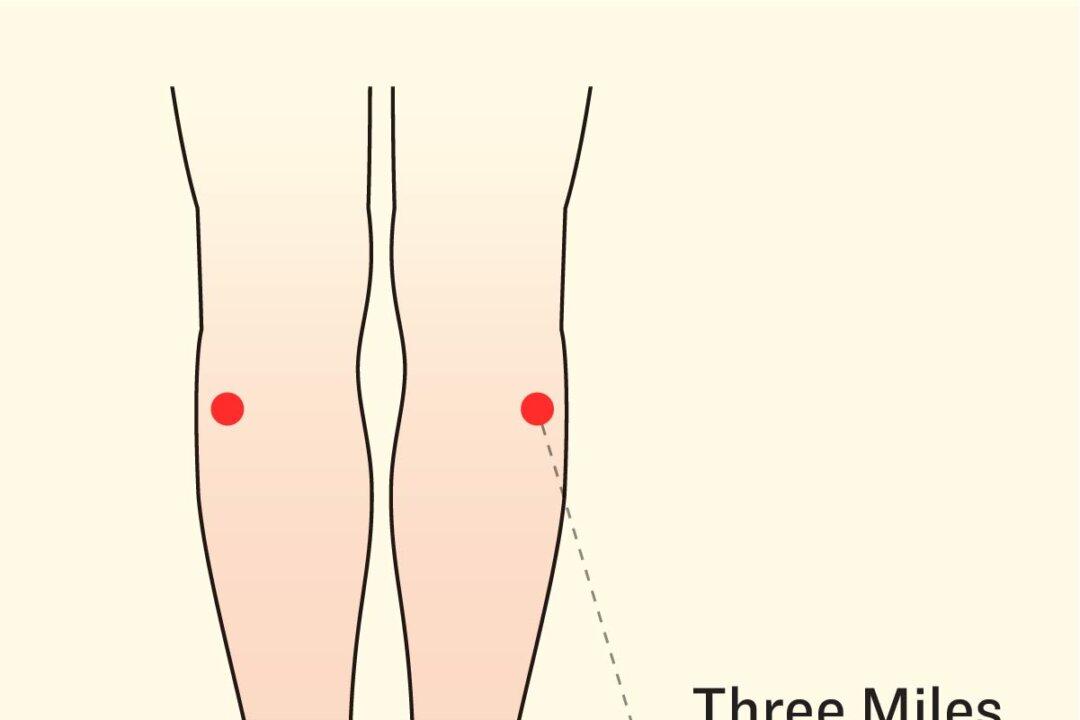
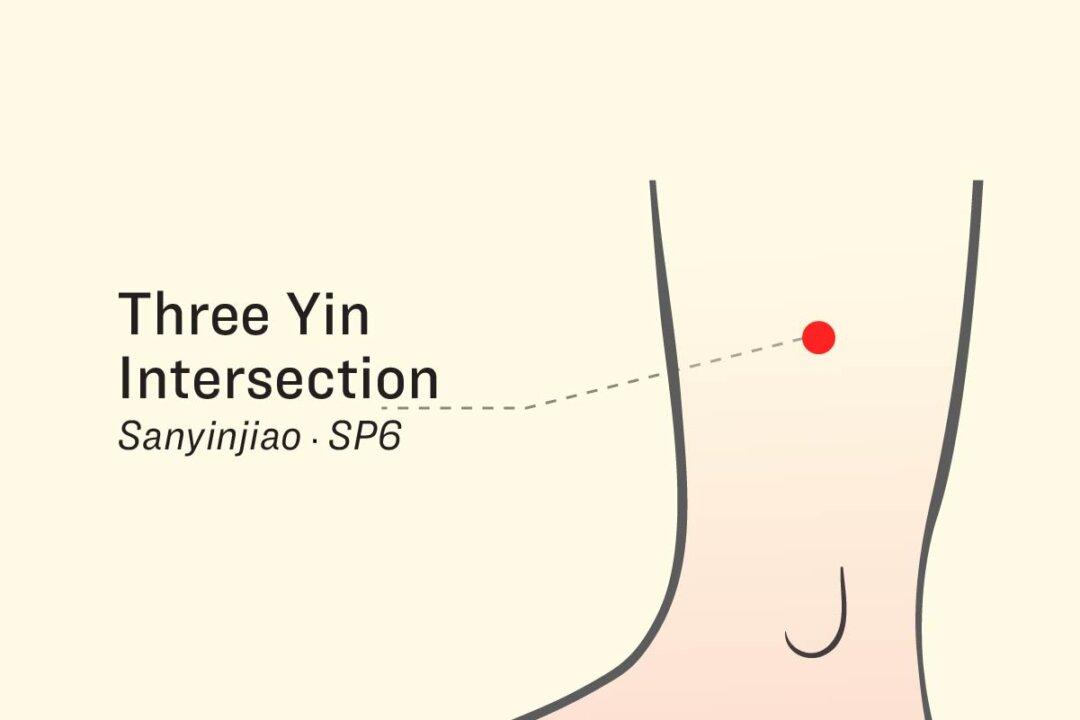
Stimulating the Leg Three Miles (zusanli) and Three Yin Intersection (sanyinjiao) acupoints may help support the spleen and stomach.

(Illustration by The Epoch Times, Shutterstock)(Illustration by The Epoch Times, Shutterstock)

(Illustration by The Epoch Times, Shutterstock)


Leg Three Miles: Located about four finger-widths below the outer depression of the knee. Press three times daily for 5 minutes each time, with a rhythm of pressing for 5 seconds and pausing for 1 second.

Three Yin Intersection: Located on the inner side of the lower leg, about three inches (approximately four finger-widths) above the tip of the inner ankle, along the back edge of the tibia. Apply continuous pressure for 10 seconds, then release. Repeat this cycle 10 times, or until a slight soreness is felt.

Note: Pregnant women should avoid pressing this acupoint.

2. Nourish the Liver


In both modern medicine and TCM, the liver plays a central role in detoxification. It filters the blood, processes toxins, and keeps the smooth flow of qi and blood throughout the body. When the liver is overburdened or weakened—whether by emotional stress, poor diet, or toxins—its ability to eliminate waste is reduced. This allows harmful substances such as microplastics and their chemical additives to accumulate.
TCM considers the liver closely interconnected with the spleen and kidneys, forming a triad that governs digestion, detoxification, and fluid metabolism. A sluggish liver can disrupt the spleen’s ability to clear toxins from the body. Over time, this can lead to chronic inflammation and oxidative stress.

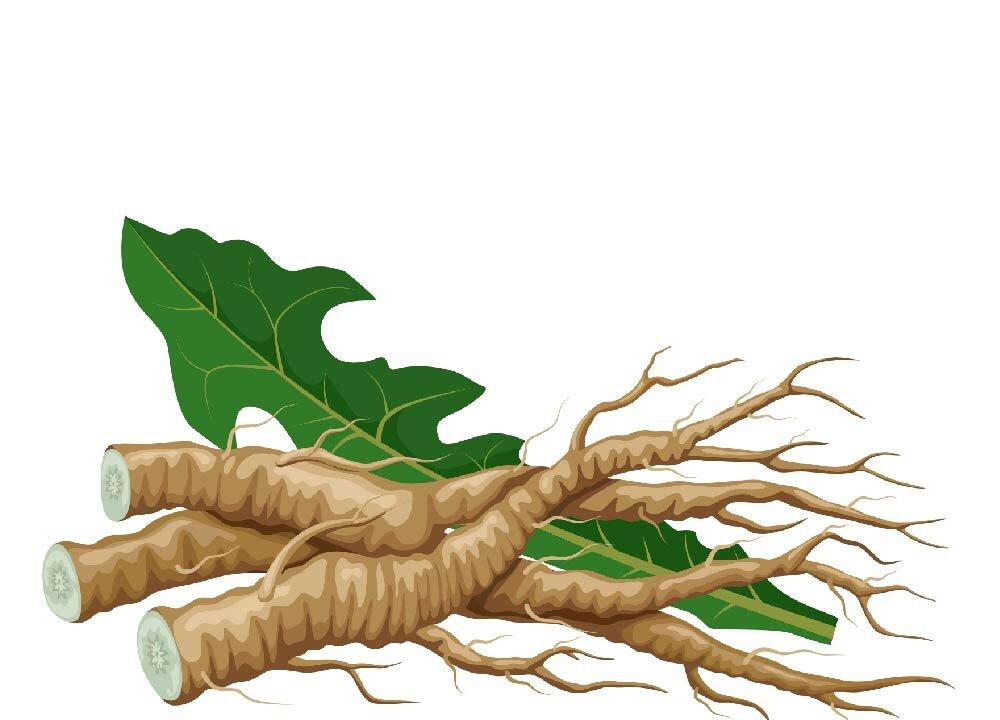
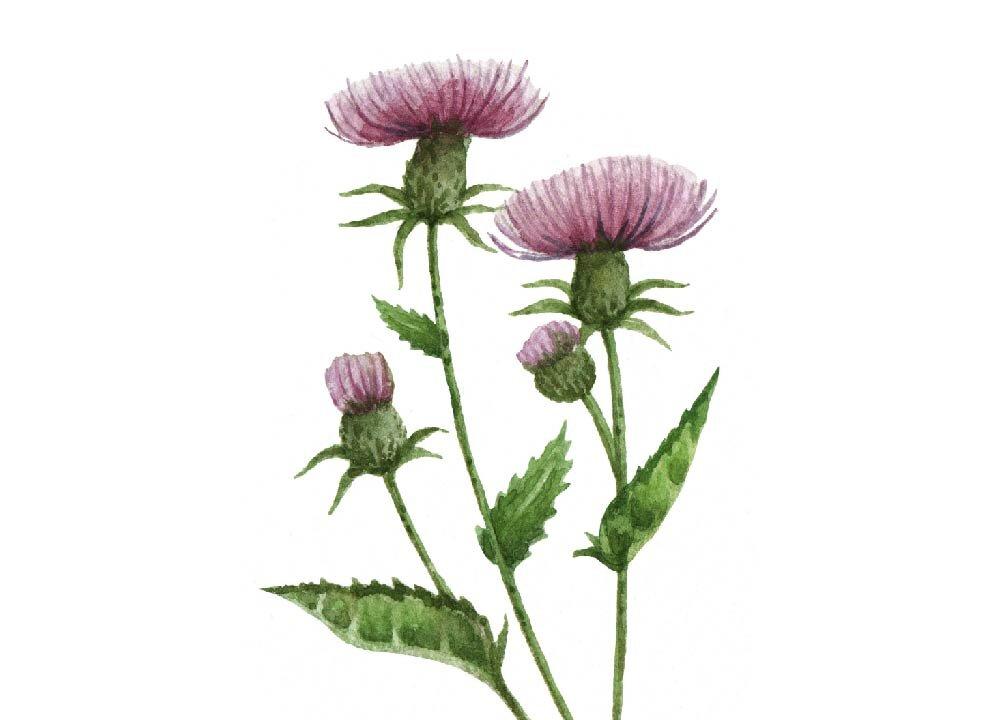
Herbs such as dandelion root, which have heat-clearing and detoxifying properties, are traditionally used to support liver function and prevent toxin buildup.

(Illustration by The Epoch Times, Shutterstock)(Illustration by The Epoch Times, Shutterstock)

(Illustration by The Epoch Times, Shutterstock)


3. Support Metabolism


Maintaining a healthy metabolism can support the body’s natural detoxification pathways, which may help remove small microplastics through bowel movements, urination, and even sweat—though research in this area is still developing.

To support metabolism:


  • Stay hydrated.

  • Eat plenty of fruits and vegetables rich in fiber.

  • Add probiotic-rich foods such as sweet potatoes, wood ear mushrooms, kiwifruit, and flaxseeds to support detoxification.


In addition, maintaining healthy daily habits also matters. Getting enough sleep, staying physically active, and eating balanced meals can help reduce your risk of negative impacts from microplastic exposure over time.

Correction: A previous version of this article misspelled the name of National Central University professor Luo Yueh-Hsia. The Epoch Times regrets the error.

Share This Article:
Ellen Wan
Author
Ellen Wan has worked for the Japanese edition of The Epoch Times since 2007.

©2023-2025 California Insider All Rights Reserved. California Insider is a part of Epoch Media Group.