
Two Chinese banks recently received letters from the U.S. Treasury threatening secondary sanctions if the agency can prove that Iranian money is flowing through their accounts, Treasury Secretary Scott Bessent said on April 15.
The Treasury Department announced on April 14 that it would hit foreign banks and financial institutions with secondary sanctions if they “continue to support Iran’s activities” while the regime remains at war with the United States.
In an interview airing early on April 15, President Donald Trump told Fox Business host Maria Bartiromo that he had received a letter from Chinese leader Xi Jinping assuring him that China is not currently supplying weapons to Iran.
“He responded to a letter that I wrote because I had heard that China is giving weapons,” Trump said. “And I wrote him a letter asking him not to do that, and he wrote me a letter saying that, essentially, he’s not doing that.”
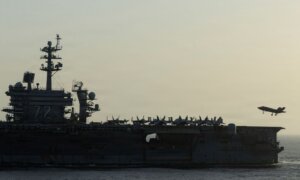
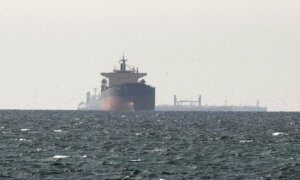
Bessent said during an April 15 White House briefing that China was satisfying 8 percent of its energy needs by buying more than 90 percent of Iran’s oil and that the ongoing U.S. naval blockade in the Strait of Hormuz should create a “pause of Chinese buying.”
“But I will tell you that two Chinese banks received letters from the U.S. Treasury,” he said. “I’m not going to identify the banks, but we told them that if we can prove that there is Iranian money flowing through your accounts, then we are willing to put on secondary sanctions.”
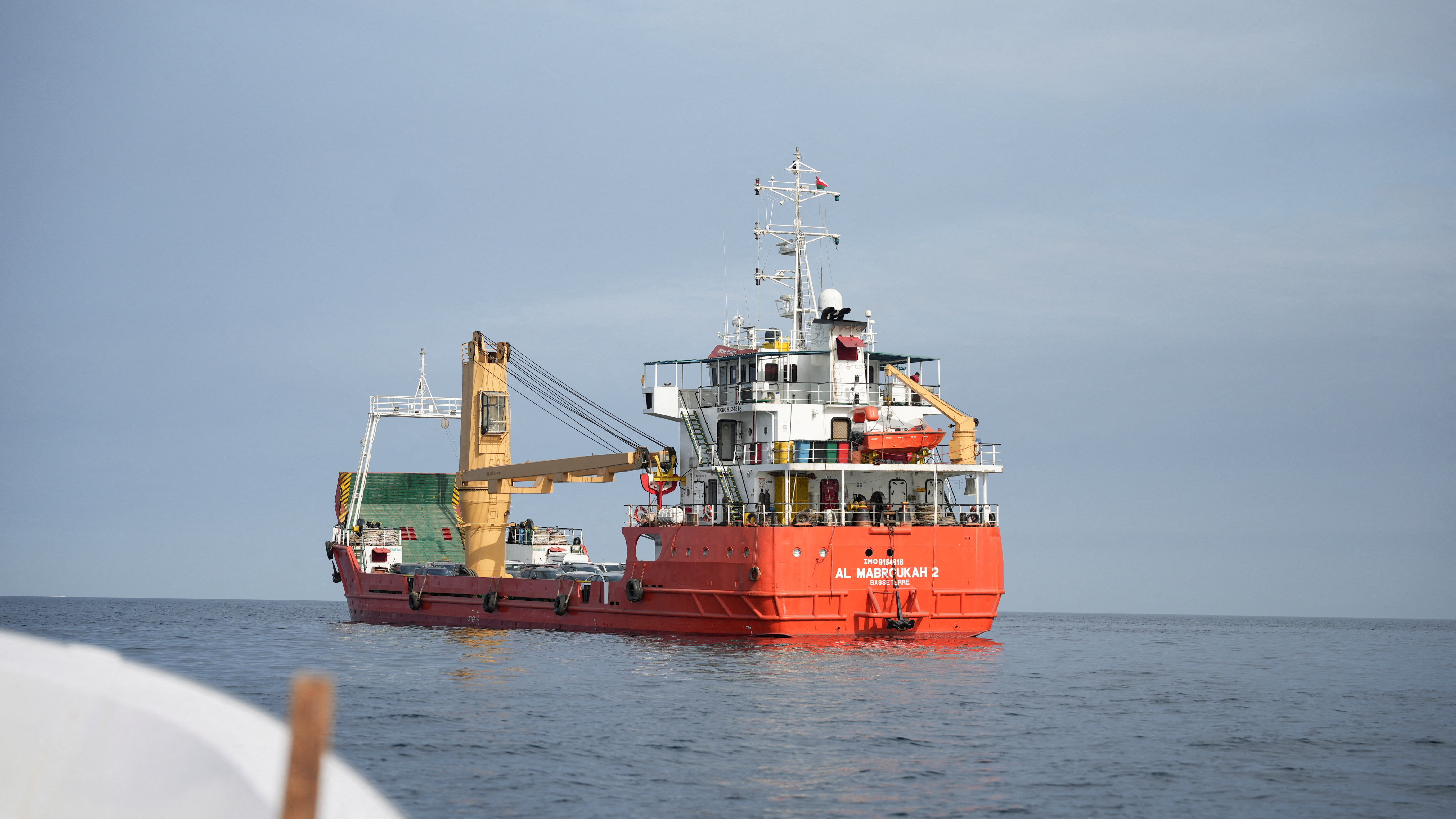
Late last month, Bessent issued a 30-day sanctions waiver allowing the purchase of any Iranian crude oil and petroleum products currently stranded at sea as global energy prices skyrocketed following the start of war between the United States and Iran.
The move allowed for the delivery and sale of Iranian oil if it had already been loaded onto ships as of March 20, when the waiver was issued. The waiver is set to expire on April 19.
At the time, Bessent said the waiver was intended to “maximize the flow of energy to the world” to keep global energy prices down. Prices have remained high: Brent crude was trading at a little less than $95 per barrel as of midday on April 15.
Bessent said on April 14 that the United States would not renew the 30-day sanctions waiver on Iranian oil stranded at sea.
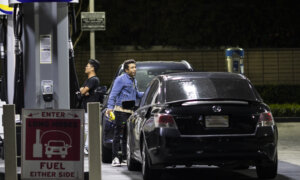
The average price of a gallon of gasoline throughout the United States is currently $4.11, according to AAA.
Asked about the fact that gas prices are still high despite the Trump administration’s previous remarks that prices would drop while negotiations continue with Iran during a two-week ceasefire, Bessent said during the April 15 briefing that he is optimistic gas prices will fall by the end of the summer.
“I’m optimistic that sometime between June 20 and September 20, that we can have $3 gas again,” Bessent told reporters.
Dorothy Li and Aldgra Fredly contributed to this report.