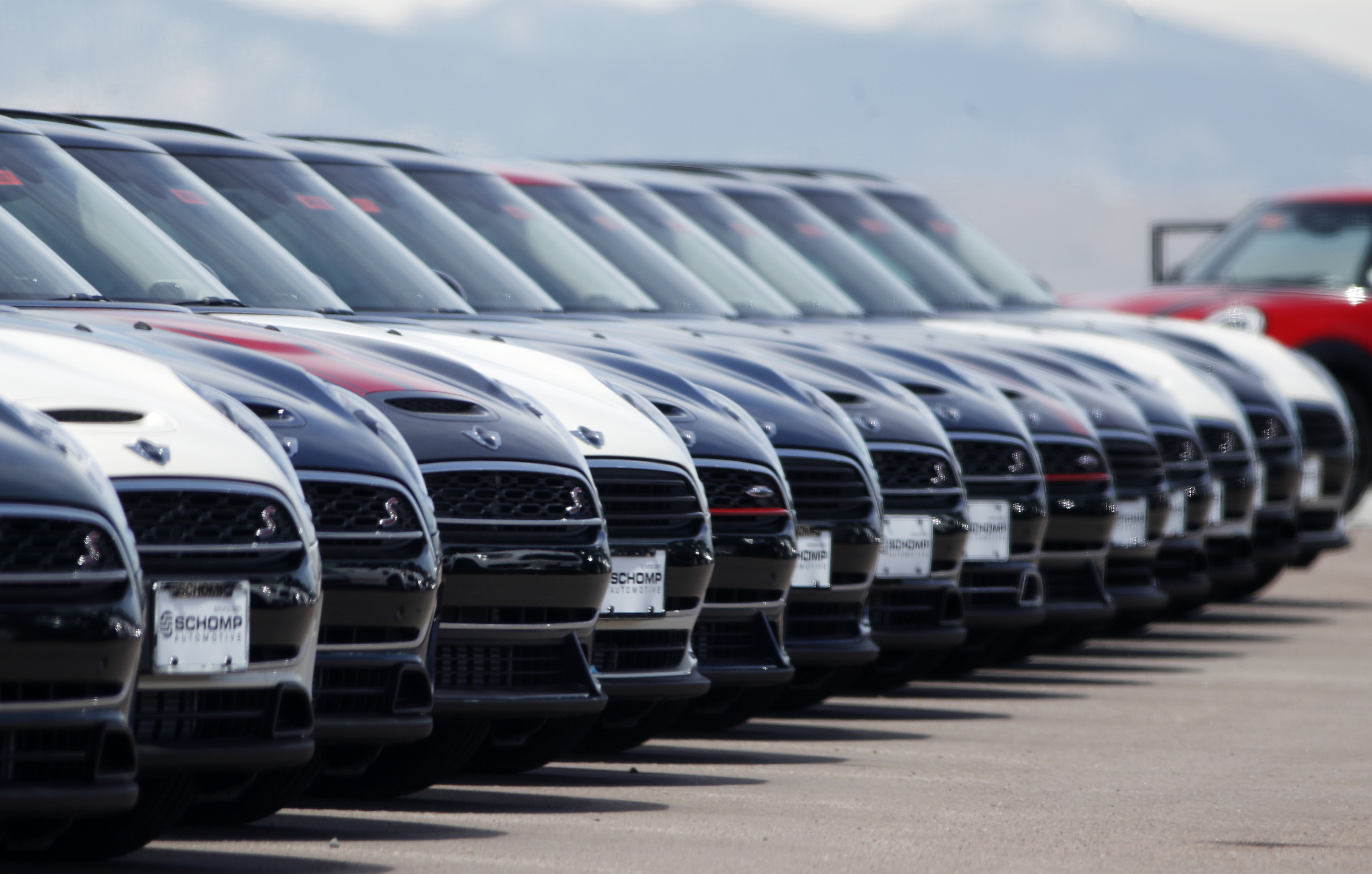

The share of new car buyers committing to make monthly payments of $1,000 or more hit an “all-time high” in the second quarter of 2025 as affordability challenges stretch budgets, automotive company Edmunds said in a July 1 statement.
The 19.3 percent share in the second quarter is up from 17.7 percent in the previous quarter. It was 17.8 percent in 2024. Edmunds also reported a record increase in the average amount of new vehicles being financed.
“Bigger loans are becoming the new normal,” the report said, adding that more buyers were opting for extended loan terms than before.
“The average amount financed for new-vehicles climbed to $42,388 in Q2 2025, an all-time high, up from $41,473 in Q1 2025 and $40,873 in Q2 2024.”
The average new vehicle loan interest rate in the second quarter was 7.2 percent, up from 7.1 percent in the previous quarter.
Shoppers were found to be paying less down payment for new car purchases.
Loans with a term period of more than 84 months made up 22.4 percent of new vehicle financing, up from 17.6 percent a year ago.
Ivan Drury, a director at Edmunds, said more buyers were opting for maxed-out term lengths even though the prices of new vehicles have remained mostly steady.
“It’s clear that buyers are pulling the few levers they can control to manage affordability, whether that’s by taking on longer loans, financing more, or putting less money down—even if some of those decisions increase their total costs,” he said.
“Consumers are continuously stretching to afford new vehicles in this market, and while tariffs haven’t directly driven these Q2 numbers, they’re certainly not going to make things any easier for shoppers moving forward.”
Surging auto loans and monthly repayment amounts pose a potential default threat to the country’s economic system.
According to data from the Federal Reserve Bank of New York, auto loan debts hit $1.64 trillion in the first quarter of 2025. The share of auto loans considered to be 90 days or more delinquent rose to 2.94 percent from 2.78 percent a year ago.
In an April 29 commentary, rating services company Morningstar DBRS warned about the issue of rising auto loan delinquencies.
“Higher for longer interest rates and elevated cost of living are pressuring consumers’ budgets, which combined with record high monthly payments for auto loans are driving newly delinquent auto loans to their highest level since the financial crisis,” it said.
New Vehicle Sales
Loan payments are rising while the pace of new vehicle sales “slowed notably” in May from the previous month, vehicle valuation company Kelley Blue Book (KBB) said in a June 10 statement.
Erin Keating, executive analyst at automotive service company Cox Automotive, which owns KBB, said that “while tariff policy is adding uncertainty to the new-vehicle market, prices are holding remarkably steady, a reminder that auto industry change is often slow.”
The Trump administration has imposed 25 percent tariffs on auto imports. President Donald Trump signed an order preventing overlapping duties from being charged on the same vehicle in order to provide relief to auto manufacturers.
There is also a 25 percent tariff on the import of auto parts. However, parts meeting requirements under the U.S.–Mexico–Canada Agreement have been exempted by the Trump administration to protect the stability of the North American supply chain.
In a June 25 statement, Cox Automotive estimated the auto market to have cooled down in June following the tariff-induced sales surge seen in the spring season.
Charlie Chesbrough, senior economist at Cox, forecasts tighter inventory levels and reluctance among dealers to provide big discounts.
“Much of the pull-ahead demand that fired up sales in April and May has now been satiated, so consumer demand is expected to be weaker in the coming months,” he said.
“Buyers are very price-sensitive right now. As more tariffed products replace existing inventory over the summer, prices are expected to trend higher, leading to slower sales in the coming months.”