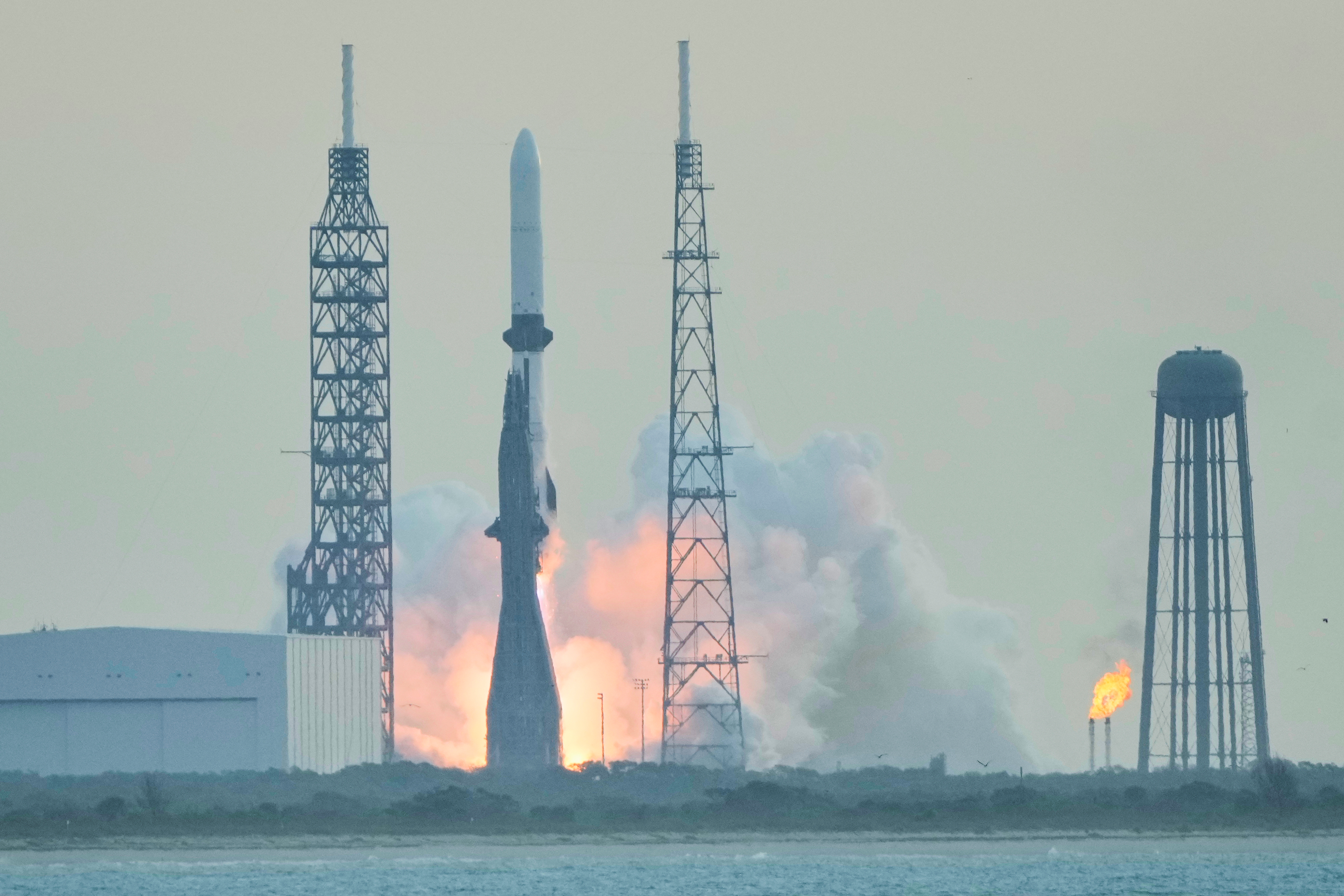

When Blue Origin’s rocket exploded on its Florida launch pad last week, it brought the launch capabilities of a chosen workhorse for NASA’s Moon Base missions to a complete halt.
No one was killed or hurt, but the accident destroyed the only launch pad designed to launch the rocket selected to kick off NASA’s Moon Base I mission to the lunar south pole. That mission was due to launch in a matter of months, as well as deliver a critical component of the Artemis III mission into low Earth orbit the following year.
Several questions remain unanswered as the month of May comes to an end, including how long it will take to rebuild the launch pad, what caused the rocket to blow up, and what kind of impact this would have on America’s moon ambitions.
NASA administrator Jared Isaacman made clear within hours of the accident that his space agency would “assess near-term mission impacts,” and “provide information on any impacts to the Artemis and Moon Base programs as it becomes available.”
But as his agency took an initial assessment of the damage with its private partner, both camps expressed confidence in their shared ability and determination to recover, rebuild, and resume fulfilling its obligations to America’s moon base plans as soon as possible.
“There is a lot of work to do, but this is exactly why people choose careers in aerospace, whether at NASA, Blue Origin, or across the industry,” Isaacman said on X after visiting the launch pad and Blue Origin’s facilities at Kennedy Space Center on May 29. “The talent in this field thrives under pressure and performs at its best when solving the toughest problems.”
“@NASA is committed to helping the Blue team recover, continue to advance their lunar lander, and get New Glenn back to launching as soon as safely possible,” he added.
Blue Origin’s New Glenn Rocket
Blue Origin’s heavy-lifting semi-reusable New Glenn rocket is still relatively new to Florida’s space coast. It features a fully reusable main stage that has demonstrated the same kind of powered landing returns as SpaceX’s Falcon 9 rocket.
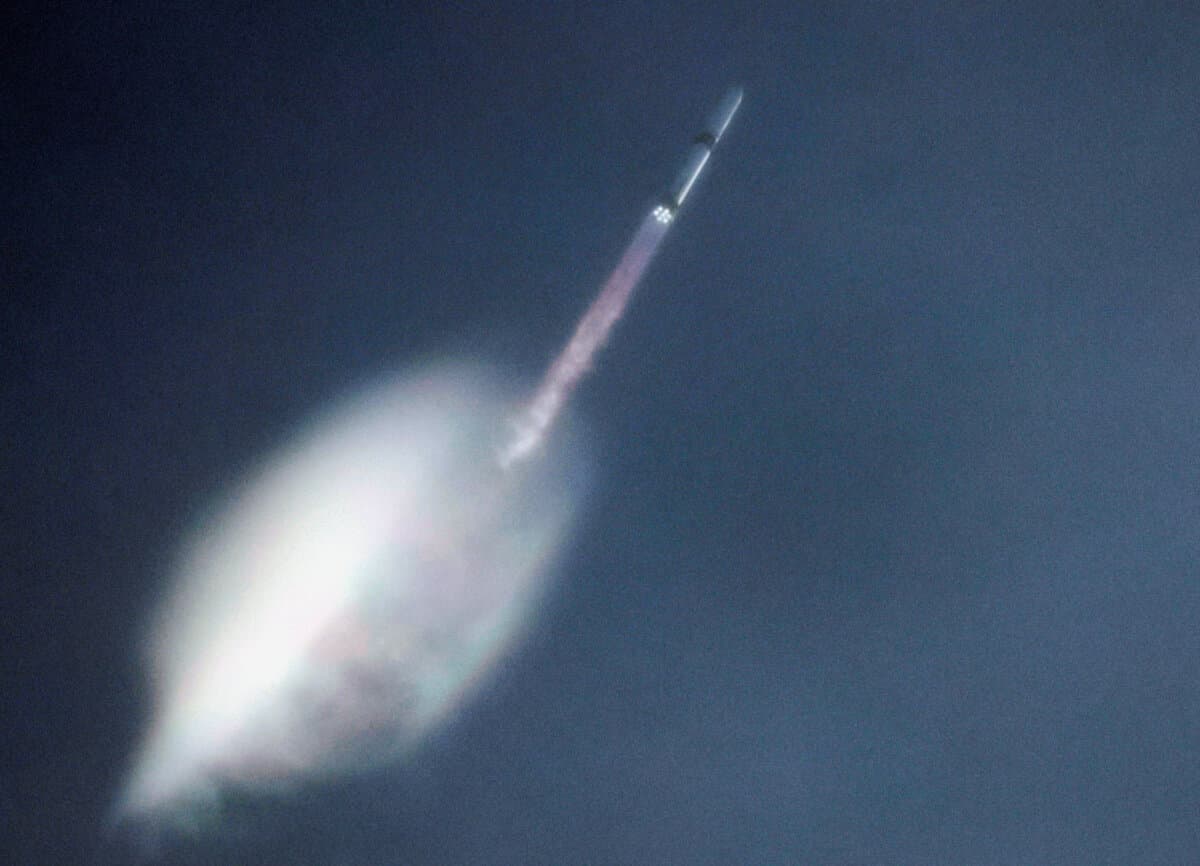
It has flown three successful launches so far, including one for a mission to Mars.
The company was progressing toward a fourth New Glenn launch after sunset on May 28 when an “anomaly” during a hotfire test of its engines resulted in the complete destruction of the rocket and launch pad.
The accident came two days after Isaacman announced that Blue Origin would land its unmanned Blue Moon MK-1 lander near an area close to the lunar south pole called Shackleton Crater later this year.
A crew-capable variant of that lander, the MK-2, was already expected to be placed in Low Earth Orbit by mid-2027 for NASA’s Artemis III mission.
Both of these missions, along with others, are reliant on the New Glenn. The New Glenn, as of now, is reliant on its launch pad.
Rebuilding the Launch Pad
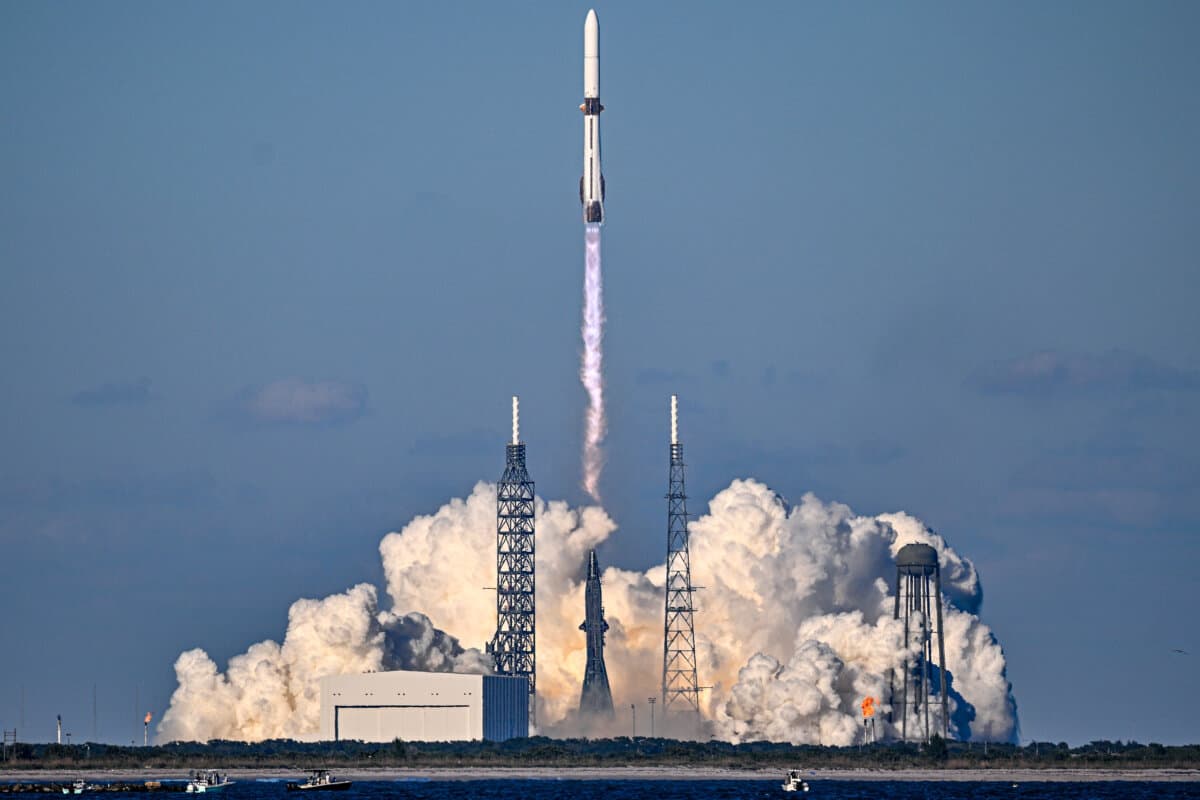
Blue Origin’s CEO Dave Limp announced that his company regained some access to that launch site, Launch Complex 36 at Cape Canaveral Space Force Station, on May 30, and an investigation into what caused the explosion was already underway.
Initial inspection of the company’s nearby vehicle integration facility showed it and the additional rocket assets inside to be in good condition.
“We will start clearing the pad soon and have a good rebuild plan in place,” Limp wrote on X.
Despite only having three missions under its belt, Blue Origin’s New Glenn has already been awarded hundreds of millions of dollars from NASA to serve as a workhorse in the first stage of Moon Base operations.
SpaceX suffered a similar setback in September 2016 when its Falcon 9 rocket exploded during a hotfire test at Cape Canaveral Space Force Station’s Launch Complex 40. That spacefaring company spent around $50 million to rebuild and did not resume launches there until December 2017.
Isaacman, who has led NASA for less than a year, repeated his message of taking an active role with its partners to eliminate any obstacles in their way.
“We have been saying for months at NASA that we are not going to sit on our hands and wait for the capabilities necessary to achieve the nation’s most pressing objectives,” the administrator said. “We are going to take an active role alongside our partners, just as we did in the 1960s, to overcome setbacks, remove obstacles, and deliver the intended outcomes.”
Blue Origin’s founder, Jeff Bezos, also expressed his determination to rebuild and resume operations as soon as possible, no matter the cost.
“Very rough day, but we’ll rebuild whatever needs rebuilding and get back to flying,” Bezos said on X. “It’s worth it.”
The Epoch Times reached out to NASA, Blue Origin, and the U.S. Space Force Space Launch Delta 45 in Florida for clarity on initial damage assessments, how long they expect the launch pad rebuild to take, and whether or not another launch pad could be made available to expedite the rocket’s return to service. None of the three responded by publishing time.