
Mexican lawmakers on Dec. 10 gave the green light to tariffs of up to 50 percent on imports from China and other Asian nations without a trade deal with the country, taking a significant step to protect domestic industries and jobs.
The proposal to reform the General Import and Export Tariffs Law was passed in the Mexican senate on a vote of 76–5, with 35 abstentions, after its earlier passage in the lower house, where it received 281 votes in favor, 24 against, and 149 abstentions.
Under the new measures, tariffs will be imposed or raised—mostly up to 35 percent, but as high as 50 percent—on more than 1,400 products spanning a wide range of sectors, including textiles, steel, iron, automotive parts, and plastics.
The new tariffs will take effect in 2026 and apply to countries that don’t have a free-trade agreement with Mexico, such as China, South Korea, India, Vietnam, and Thailand.
The measure is part of Plan México, a broader national strategy unveiled in January by the Sheinbaum administration, designed to accelerate the country’s industrial development and enhance global competitiveness. The initiative is also aimed at reducing reliance on cheap imports from third countries, especially China.
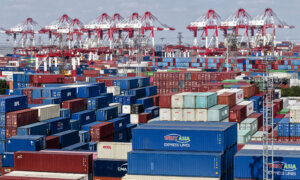
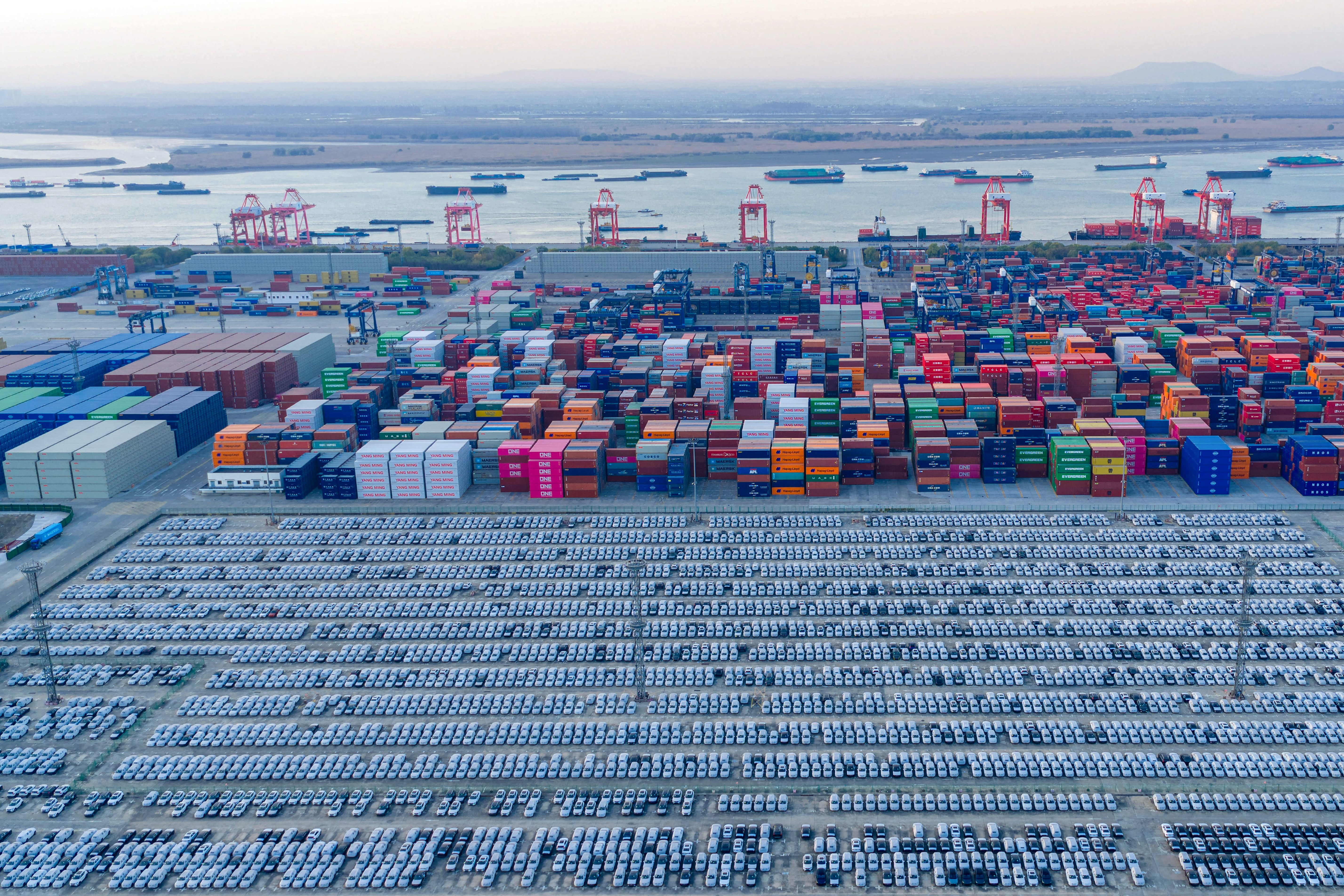
Over the past decade, trade between Mexico and China has surged dramatically, but the growth is largely one-sided, with China shipping many more goods to Mexico than it imports. Mexico’s official data show that in 2024, the trade deficit with China soared to approximately $120 billion.
Mexico’s decision has sparked protests from Beijing. China’s Ministry of Commerce on Dec. 11 urged Mexico to abandon the measure.
While the approved bill is softer than the previous proposal, with tariffs on product lines such as textiles, apparel, steel, auto parts, and footwear being lowered, it would still “substantially undermine” the interests of China and other trading partners, a spokesperson for the regime’s commerce ministry said in an online statement.
Beijing would closely monitor Mexico’s implementation of the tariffs and assess their impact, the spokesperson said.
The Chinese regime had already hinted at possible retaliation if Mexico went ahead with its tariff-hike plan. In September, after Mexican President Claudia Sheinbaum submitted the initial proposal to the congress, the Ministry of Commerce in Beijing initiated an investigation into Mexico’s trade and investment barriers.
Mexico’s move also came ahead of a review of the U.S.–Mexico–Canada Agreement next year. Officials and industry representatives in Washington have accused China of taking advantage of Mexico’s free-trade agreements. Canadian officials have also expressed concerns that Mexico has been used as a backdoor for Chinese products to enter the free-trade zone.
Over the years, many Chinese companies have moved their assembly lines to Mexico, especially after U.S. President Donald Trump imposed initial tariff hikes on China during his first term over the regime’s unfair trade practices. The relocation enabled Chinese products to be labeled “Made in Mexico,” thereby bypassing the levies that the United States imposed on China.
Emmanuel Reyes, chair of the Mexican Senate’s Economy Commission, applauded the bill’s passage, saying the additional tariffs could help protect jobs in key sectors and support the growth of small and medium enterprises.
“Mexico must compete on better terms and strengthen its internal market,” Reyes said on X.
Reuters contributed to this report.