
At a young age, Garrett Morgan’s passion of figuring out how things worked led him to a successful career as an inventor and businessman. Saving lives was his major motivation when he developed his two most popular inventions: the gas mask and three-way traffic signal. His original inventions served as the framework for the gas masks and traffic signals in use for public safety today.
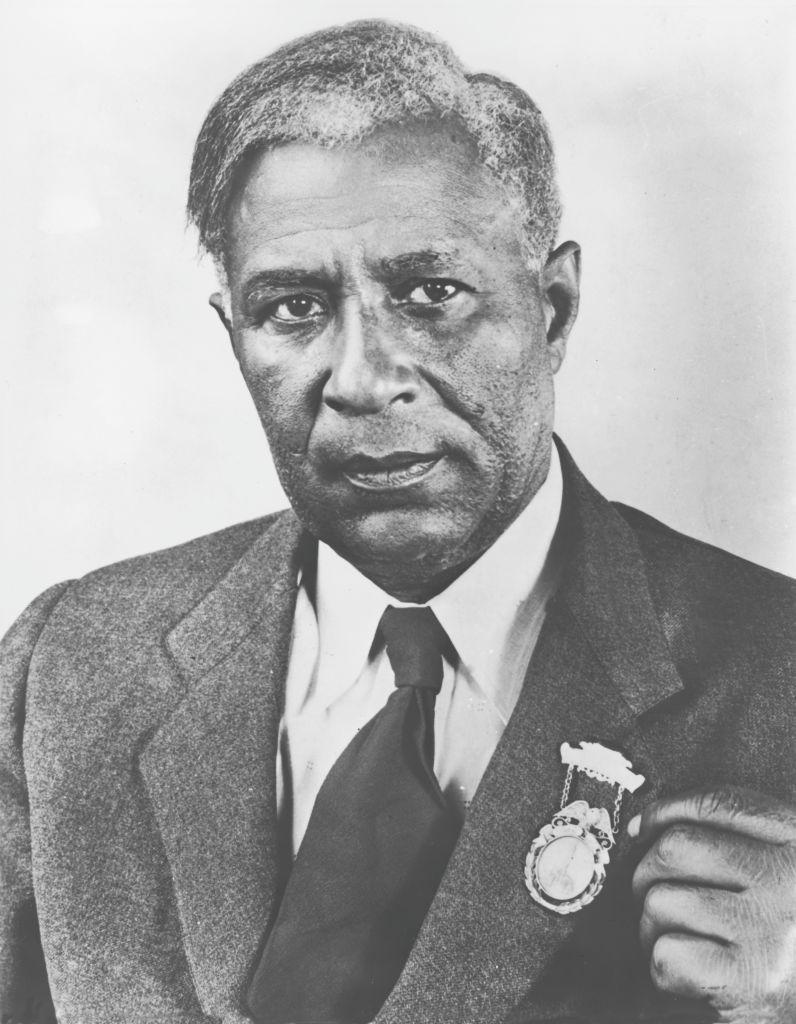
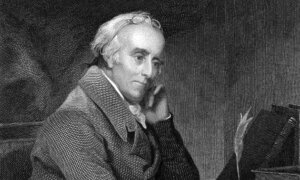
A portrait of Garrett A. Morgan. Undated. (Fotosearch/Getty Images).
Morgan was born on March 4, 1877 in Paris, Kentucky. After receiving only a sixth-grade education, Morgan left home at 14 years old and headed to Cincinnati, Ohio, to look for work. Morgan started as a handyman and then moved to Cleveland, Ohio, in 1895, where he began repairing sewing machines.
Aware of his limited education, he paid a tutor later in life and taught himself how things worked. He used his mechanical skills to launch his own sewing machine repair company, which eventually turned into a successful tailor shop.
Morgan was trying to make a chemical solution to coat sewing machine needles so they wouldn’t burn fabric when they got hot. Once he developed it, he realized it could straighten hair and launched his own hair care treatment business.
Problem Solver
However, Morgan would soon shift his focus to problems he noticed around him. “He couldn’t help himself when he saw a problem,” Morgan’s granddaughter Sandra Morgan said, according to the United States Patent and Trademark Office. “He had a humanitarian spirit that needed to help.”
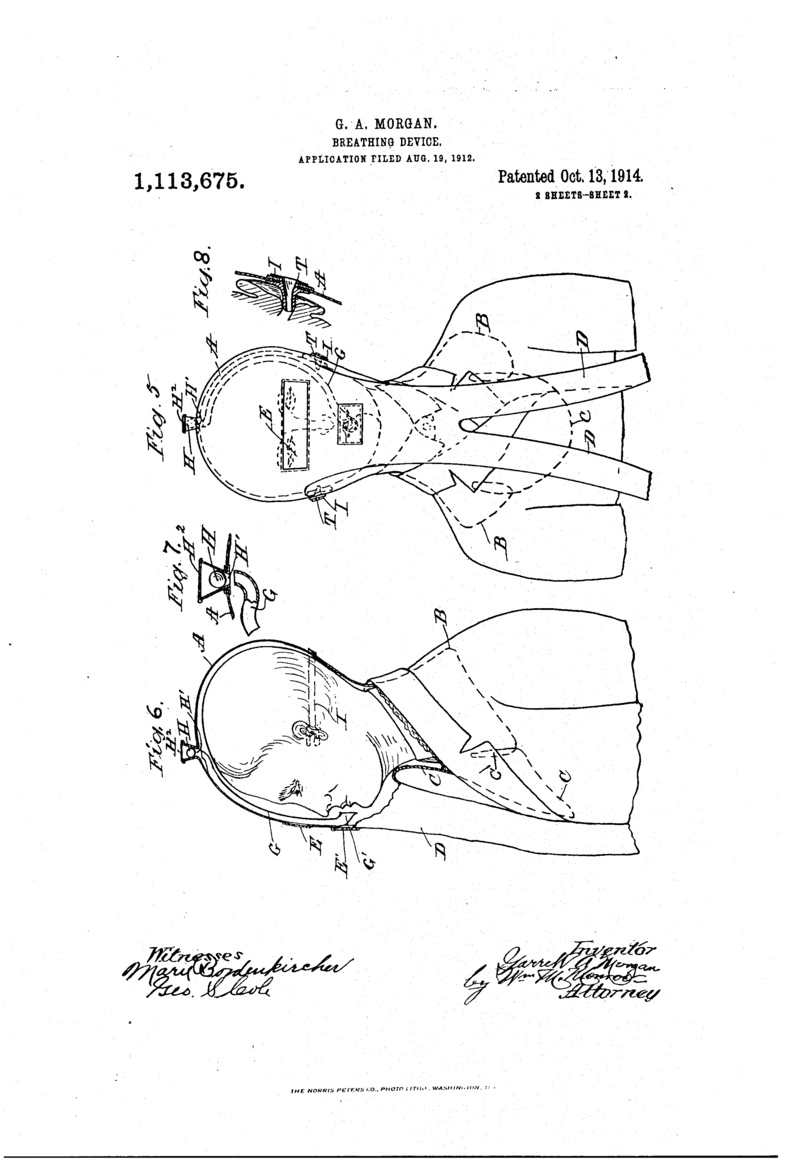
Drawing of Garrett Morgan's smoke hood design. (CC0)
After working in inner-city factories, including in Cleveland for several years, Morgan soon became focused on the tragedy that took place during the Triangle shirtwaist factory fire in New York City on March 25, 1911. The fire caused the deaths of 146 garment workers, who were mostly immigrant women trapped inside the building. Morgan noticed that firefighters in similar events had trouble rescuing victims, and smoke often made the rescuers victims themselves.
Morgan soon got to work devising some sort of device that would aid firefighters during structure fires. Morgan received a patent in 1914 for his first “breathing device.” The invention drew cleaner air from close to the floor and filtered it through a wet sponge before it was breathed in. The unit could also enable a rescuer to resuscitate someone with the device.
Morgan went to work marketing the item himself. He would often do live demonstrations where he would wear the mask inside smoke-filled buildings. His invention was purchased by several fire departments before another tragedy would give it national attention.
Erie Tunnel Rescue
On July 24, 1916 while workers were inside a tunnel deep under Lake Erie, natural gas vented up from the lake bed and caused an explosion that killed several workers. Two rescue teams succumbed to the conditions themselves and never returned from the tunnel. But then, one of the rescuers got the idea to call Morgan after seeing one of the inventor’s gas mask demonstrations.
Six hours after the explosion occurred, Morgan received a call in the early hours of July 25. Morgan called his brother and two other volunteers who showed up in their pajamas, donned with Morgan’s gas mask invention.
Morgan and his team rushed into the gas-filled tunnel and were able to rescue the live workers and retrieve several bodies. Morgan resuscitated one person himself using his mask and mouth-to-mouth, and then came out of the tunnel with a worker on his back.
His efforts during the rescue jolted Morgan into nationwide fame. According to several accounts, Morgan’s first prototype of his “breathing device” served as the framework for gas masks that were used to combat chemical warfare during World War I.
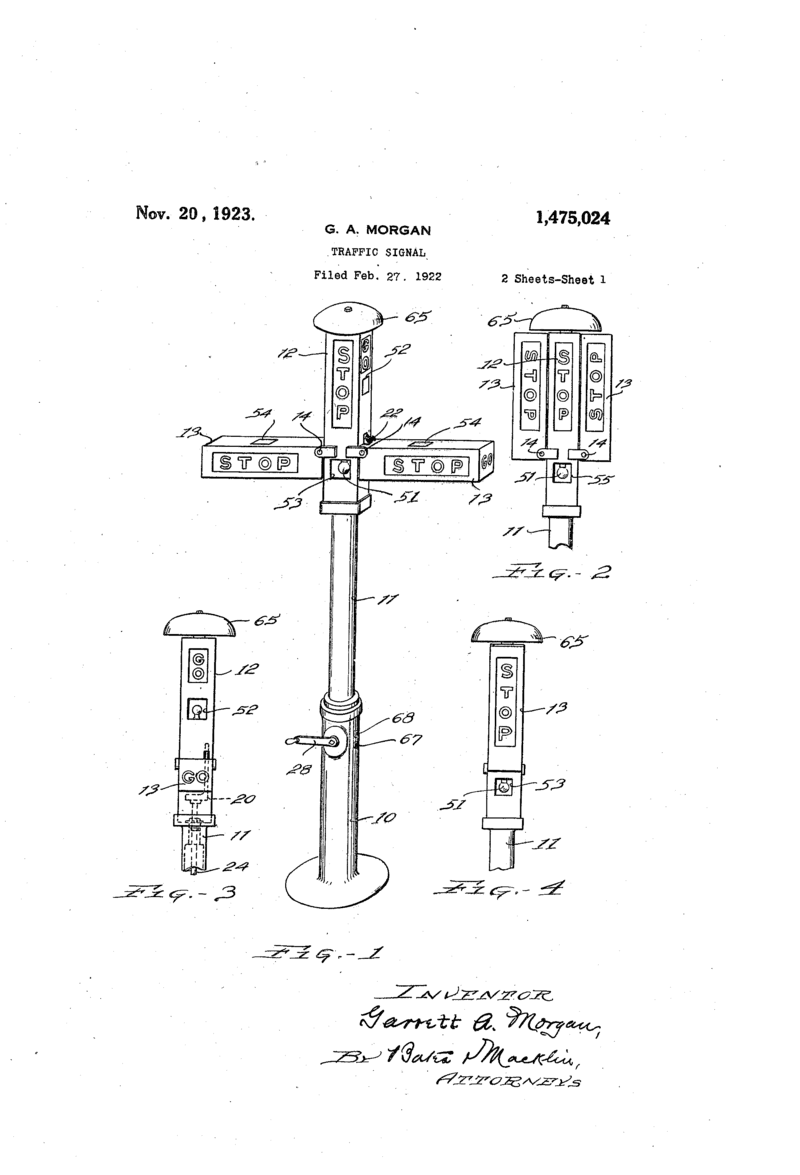
A drawing of Morgan's traffic signal design. (CC0)
By the 1920s, Morgan’s businesses gave him enough success so that he was able to purchase an automobile. While driving one day, he witnessed a vehicle crash into a horse and carriage. The horse had to be euthanized due to its injuries, and a young girl was flung from the carriage.
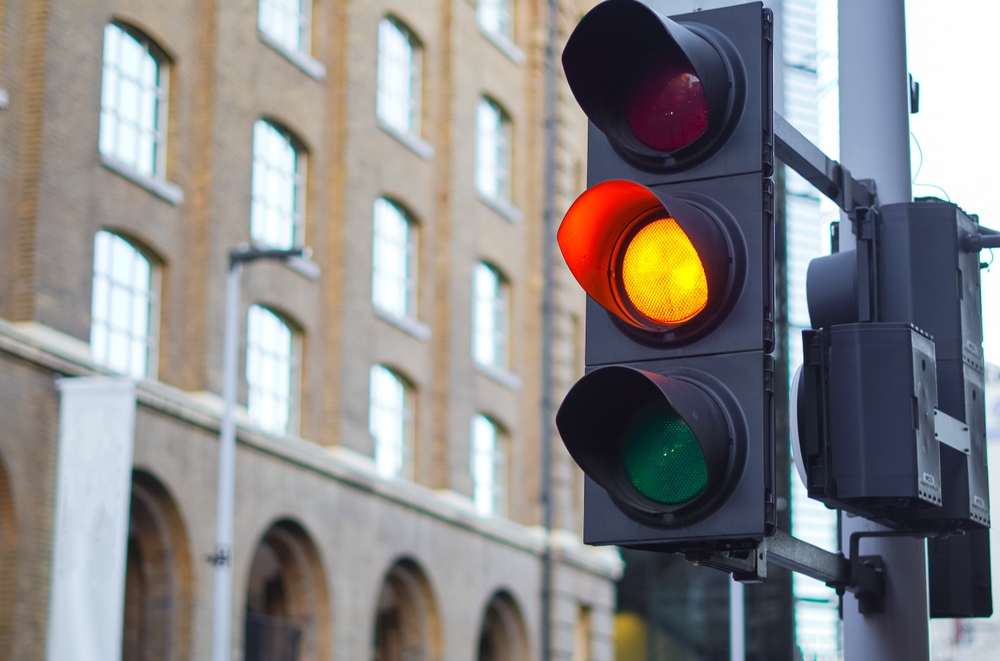
After seeing another problem he could solve, Morgan went to work again. He set out to devise a three-way traffic signal. In 1923, Morgan received a patent for his improved signal that was operated by a hand crank and enabled the operator to stop traffic in all directions. Morgan eventually sold the rights to his patent to General Electric for $40,000; the device was in use all over North America before the three-light system used today was implemented.
Morgan began to come up with other inventions throughout his life even after he developed glaucoma in 1943 and lost most of his sight. Morgan died in Cleveland on July 27, 1963 after struggling with a lingering illness.
What arts and culture topics would you like us to cover? Please email ideas or feedback to features@epochtimes.nyc