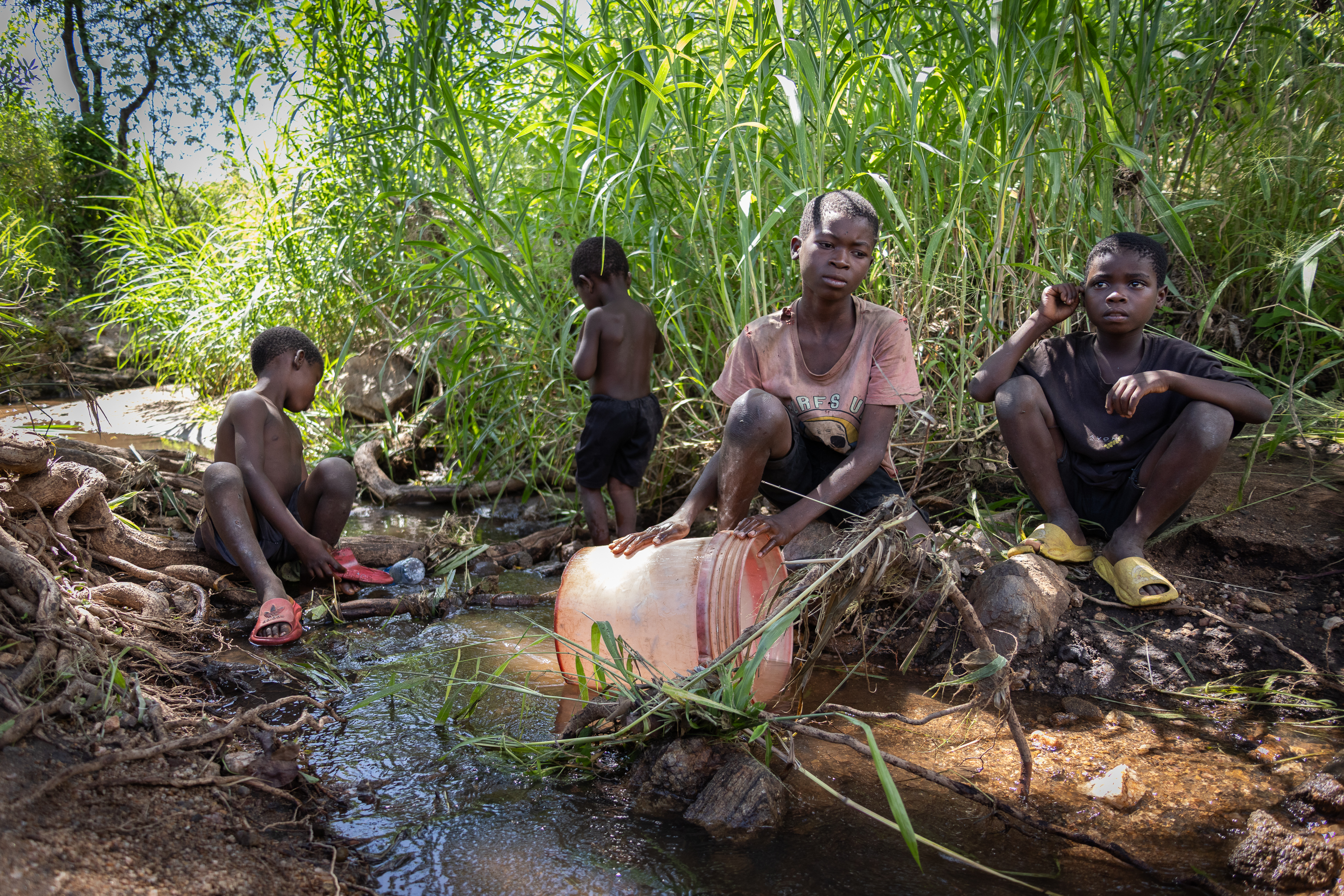

BLANTYRE, Malawi—Miles from the nearest electrical outlet, three boys younger than 11 shared a discarded plastic water bottle, which they used to drink from a polluted stream in Malawi’s Machinga district.
Once full, the water bottle held murky, brown water, which the children gulped without hesitation.
According to Malawian Ministry of Health officials, dirty water sources like this are a major cause of suffering in the southeastern African nation due to waterborne diseases.
“Much of the medical visits we have at the clinic are due to unsafe water resources,” Davison Mdala, health surveillance assistant (HSA) at the Malawi Ministry of Health, told The Epoch Times from his clinic several miles from the children’s location.
“During the rainy season, the number of patients increases because unclean water spreads more easily in shallow water resources throughout Malawi.”
Near the children, a small girl with a swollen belly, a sign of malnutrition, sat on a rock watching the boys drink and splash the dirty water until her eye caught sight of a shiny piece of trash near her feet that appeared to be a candy bar wrapper.
Little did the children know that 100 percent of shallow water sources, including the one they were drinking from, contain traces of fecal matter, according to a 2024 study published in the International Journal of Surgery: Global Health.
Where Cholera Thrives
Just south in Malawi’s Thyolo district, Malawi Ministry of Health Disease HSA Duncan Chikwindile has overseen patients over the past 13 years in dozens of the nation’s most remote villages, where they struggle with waterborne diseases.
“The village we are heading to currently gets its water from small holes next to a river, which makes [the people] sick,” Chikwindile told The Epoch Times as he bumped along in the passenger seat of a four-wheel drive vehicle toward his health inspection site. “But they do not have any other options at the moment.”
From his clinical station at the Chikowa Health Center, the journey to the village of Mpondera, located on the outer edge of Chikwindile’s health inspection area, is just 13 kilometers, but it takes more than two hours because of the rough terrain.
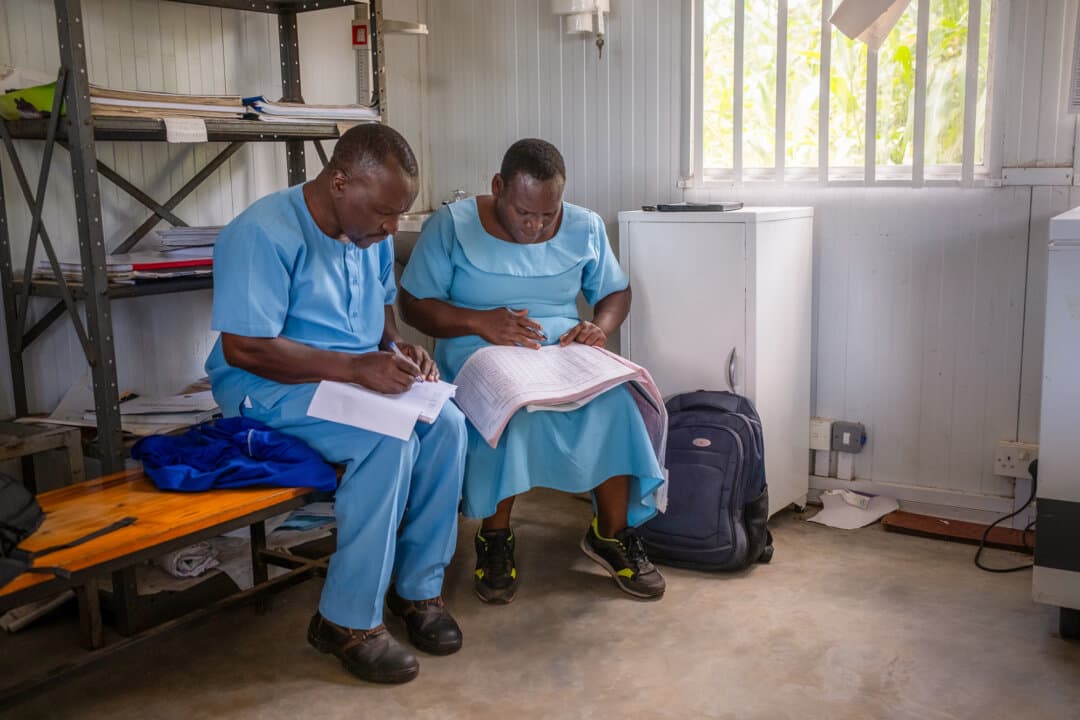
Health Surveillance Officers Duncan Chikwindile (L) and Madalenji Panjima look through Cholera records at a clinic in the rural Blantyre district, Malawi, on Feb. 23, 2026. (John Fredricks/The Epoch Times)
At one point during the trek, the vehicle sustained damage to its front bumper while crossing a rocky riverbed.
In Mpondera, a group of villagers sitting in front of small brick huts with thatched roofs greeted Chikwindile and several nonprofit workers as four women grabbed colorful plastic buckets and made their way to a nearby creek bed.
Malawian health officials noted that this water source is considered the village’s major cause of waterborne disease, including cholera, a diarrheal infection caused by consuming food or water contaminated with the bacteria Vibrio cholerae O1 or O139.
The result is severe rapid dehydration that can lead to death if not swiftly treated.
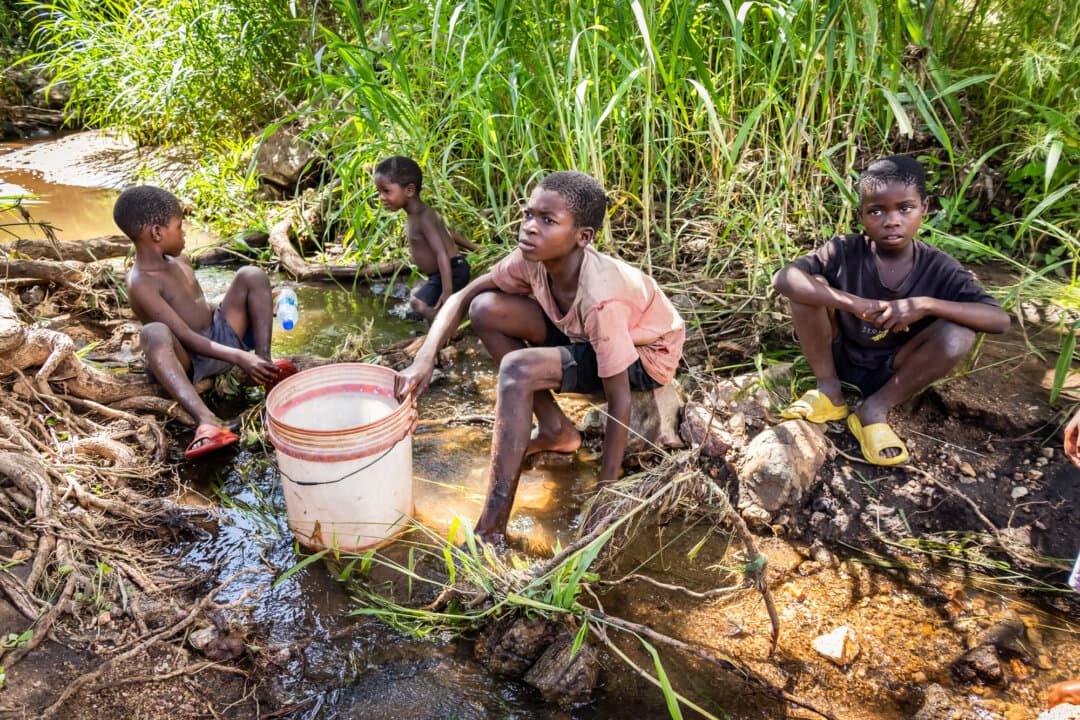
Children sit by a polluted river in the Machinga district, Malawi, on Feb. 20, 2026. Malawian Ministry of Health officials say contaminated water sources like this are a major cause of waterborne disease in the southeastern African nation. (John Fredricks/The Epoch Times)
Malawi’s Waterborne Disease Battle
Walking down a forested hill to a small, watery hole, a 20-year-old woman named Rose came to obtain water for cooking.
Although barely able to reach the muddy, dark water at the bottom of the hole, and with a small child on her back, she scooped the water with a cup into a nearby bucket.
“When we use this water to wash ourselves, we feel itchy after,” Rose said in Chichewa, Malawi’s national language, through a translator to The Epoch Times.
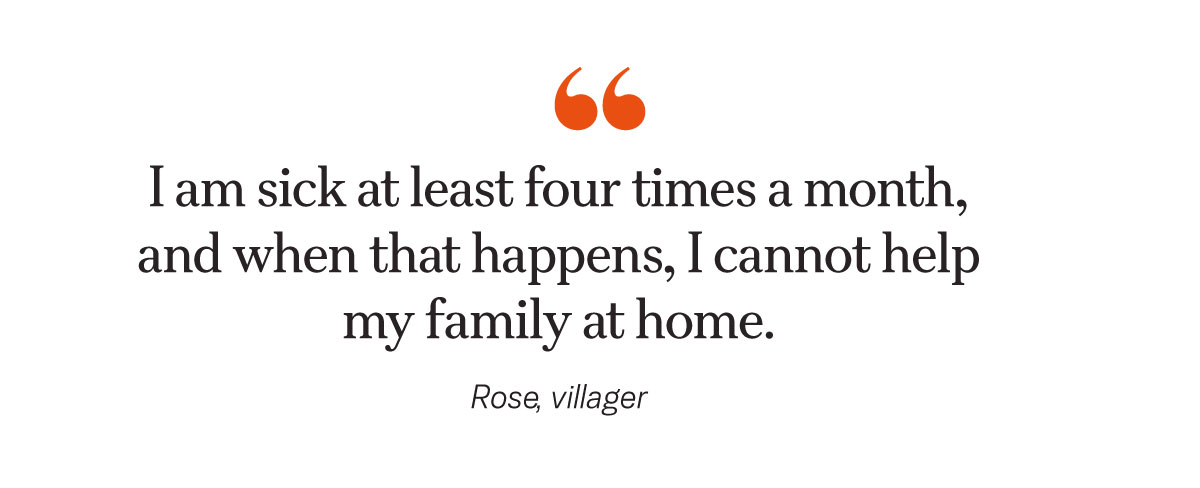
“I am sick at least four times a month, and when that happens, I cannot help my family at home.”
Her village has had several cases of cholera in the past and struggles to avoid other waterborne issues caused by their contaminated water source, which include diarrhea and schistosomiasis, a parasitic disease that causes organ damage if untreated, according to Malawian health officials.
The mud-colored water within her plastic bucket would soon be used to prepare a meal for her family of three.
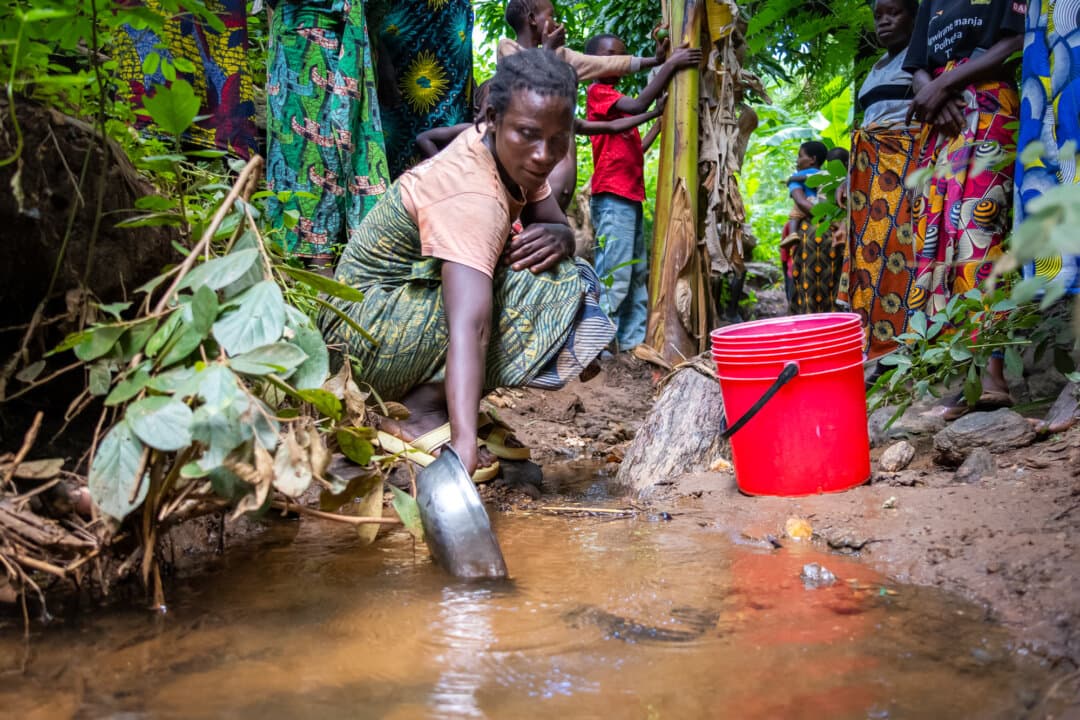
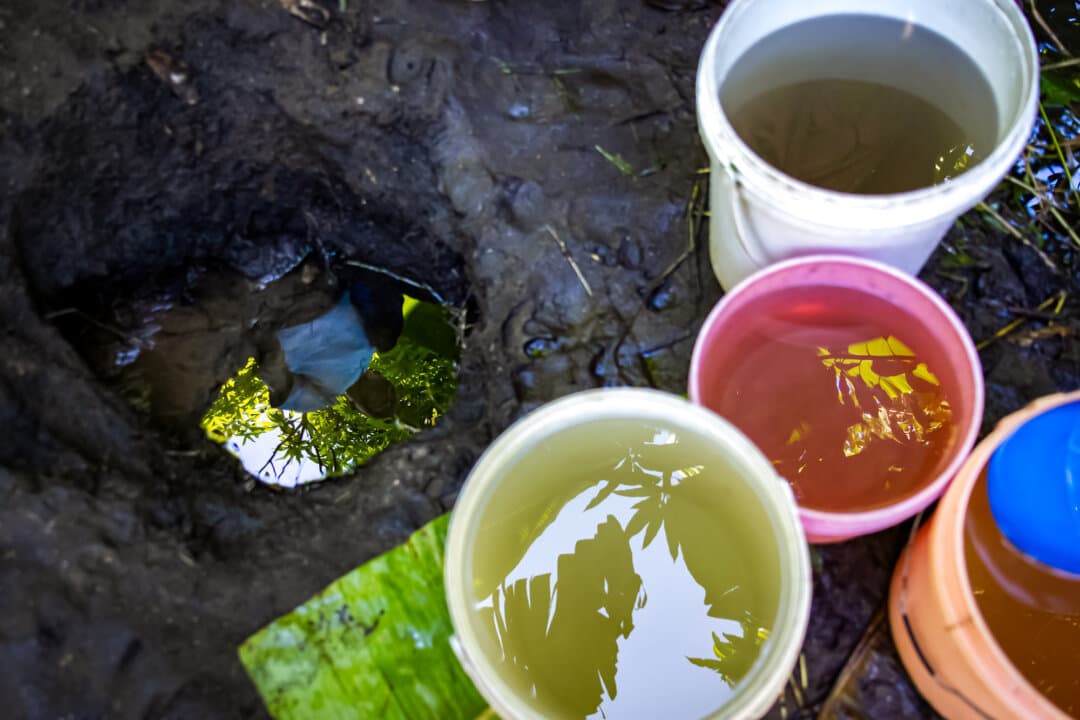
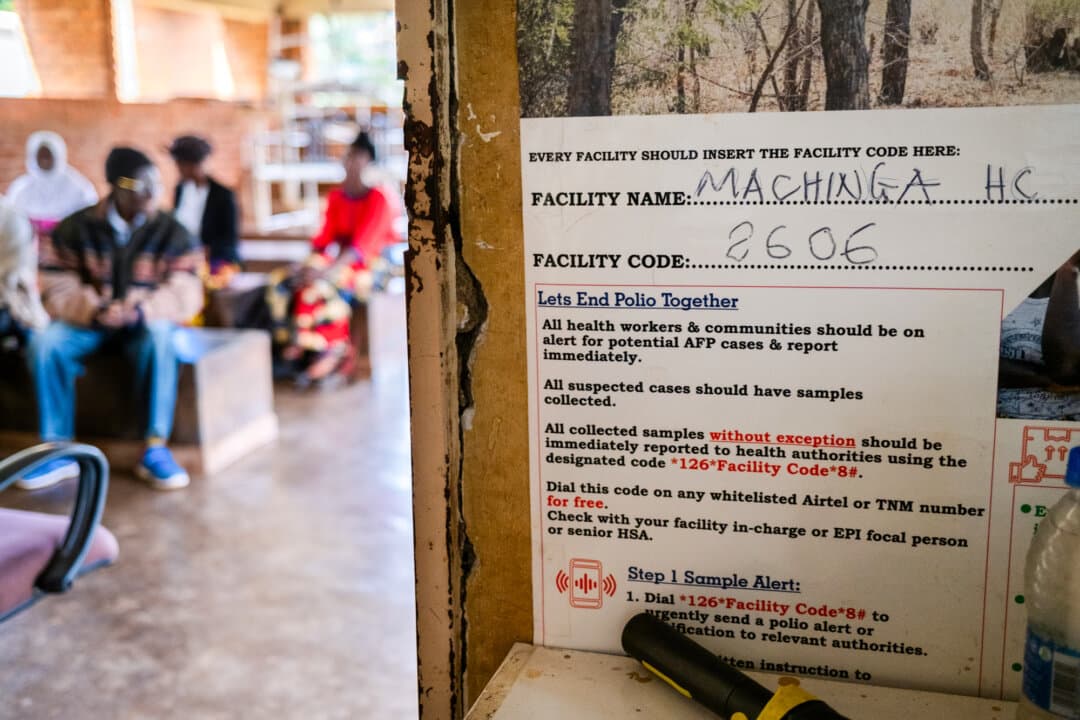
(Top, Bottom Left) Health Surveillance Officer Duncan Chikwindile examines a contaminated water source in the Blantyre district, Malawi, on Feb. 23, 2026. In addition to cholera, contaminated water can cause diseases such as diarrhea and schistosomiasis, a parasitic infection that can lead to organ damage if untreated, according to Malawian health officials. (Bottom R) People use clinic services in the Machinga district, Malawi, on Feb. 17, 2026. (John Fredricks/The Epoch Times)
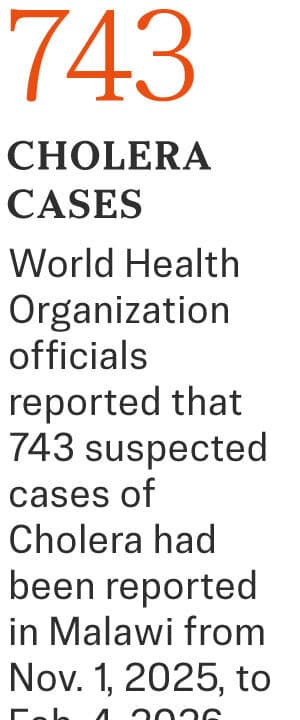
From Nov. 1, 2025, to Feb. 4, more than 740 suspected cases of cholera were reported in Malawi, with a recent increase of 15 to 25 cases reported per day since late January, World Health Organization (WHO) officials told The Epoch Times.
Highly contagious, the disease requires isolation of the affected to prevent spreading, along with hydration treatments for recovery.
“The global rise in the number of people getting sick or dying is tragic, as cholera is preventable and treatable,” WHO Communications Officer Shagun Khare told The Epoch Times.
“Safe drinking water, sanitation, and hygiene are the only long-term and sustainable solutions for ending this cholera emergency and preventing future ones.”
The WHO’s cholera response currently focuses on affected sites in Malawi’s southern region, where The Epoch Times spoke to government medical officials working in rural clinics.
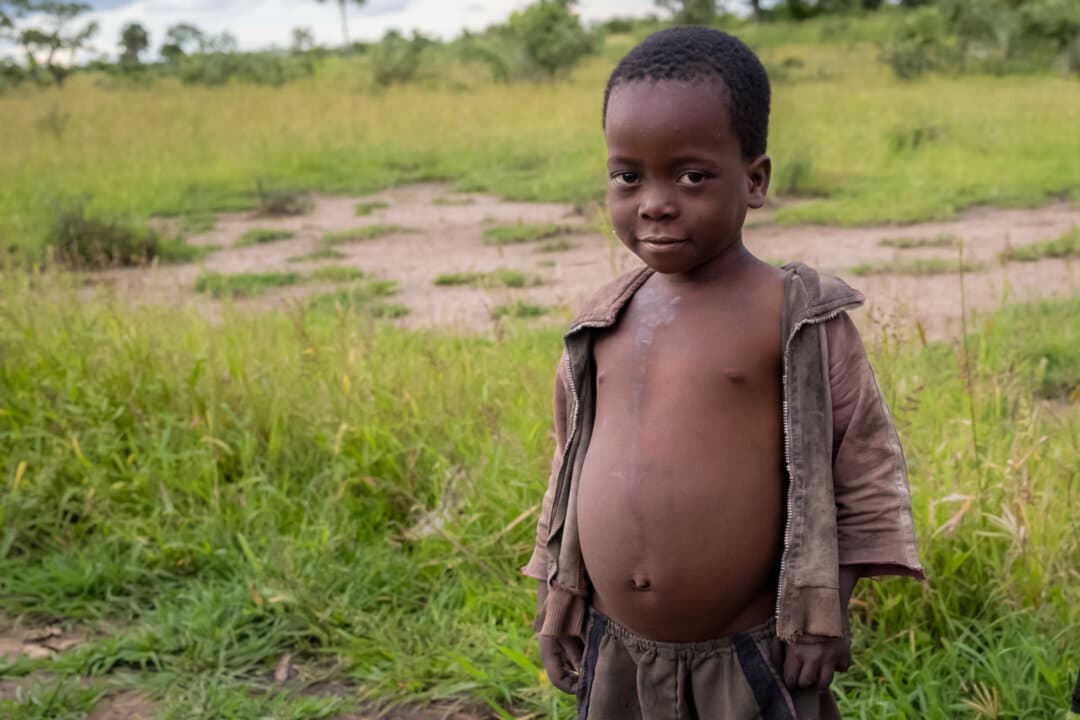
A child with a swollen belly due to a severe lack of food stands outside of Monkey Bay, Malawi, on Feb. 18, 2026. (John Fredricks/The Epoch Times)
At the Nankumba Health Center in Malawi’s Mangochi district, Malawi Ministry of Health Senior HSA Robert Amissi recalled one of the most severe cholera cases he had ever treated. Two years prior, a young woman had come to the clinic “near death.”
“After traveling for a while with the help of a loved one, [she stumbled] into the clinic with sunken eyes and slowly moving like an elderly individual,” Amissi told The Epoch Times.
“Once she was put into an isolation tent to receive care, we immediately gave her an intravenous treatment of Ringer’s lactate, which is what we use to treat cholera patients if we have the medications on hand.”
Ringer’s lactate, an isotonic, crystalloid solution, is routinely given to very sick patients to rapidly revive hydration and correct metabolic acidosis, but that can only be done if clinics have the government-provided medication in stock.
“Once the medications got into her system, within two hours, it was like her life began to appear again before our eyes,” Amissi said.
As cholera drains the body of nutrients and hydration, some patients reportedly reach clinics underweight and lacking cognizance, and some have traveled up to 16 kilometers—almost 10 miles—to get to the Nankumba Health Center, according to Amissi.
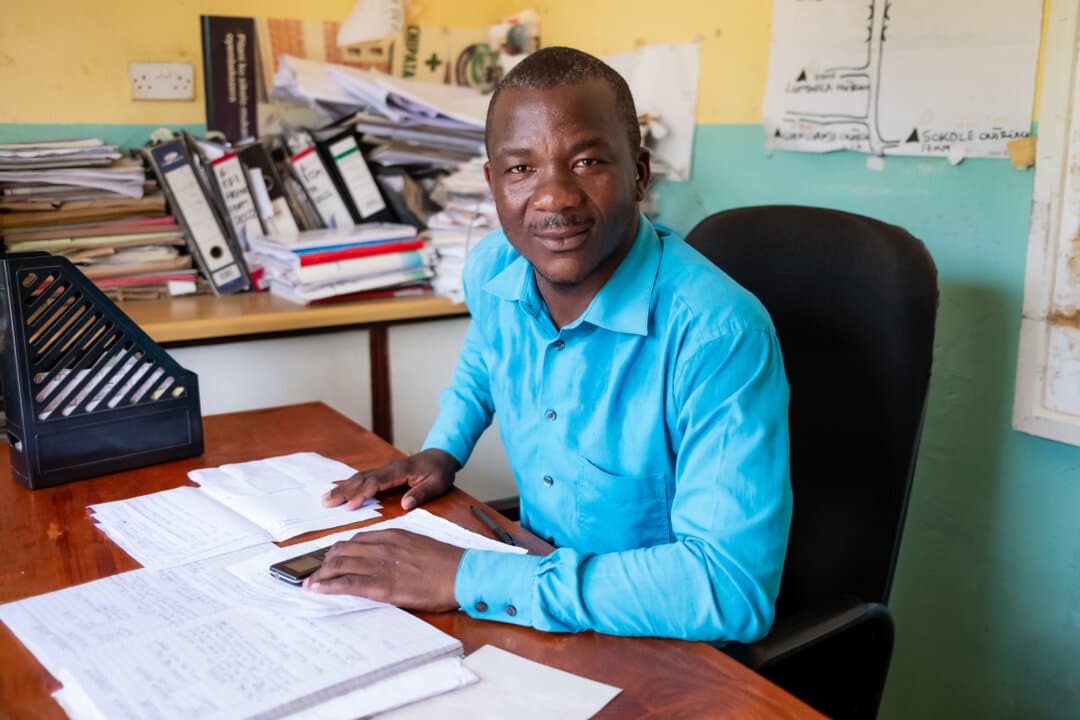
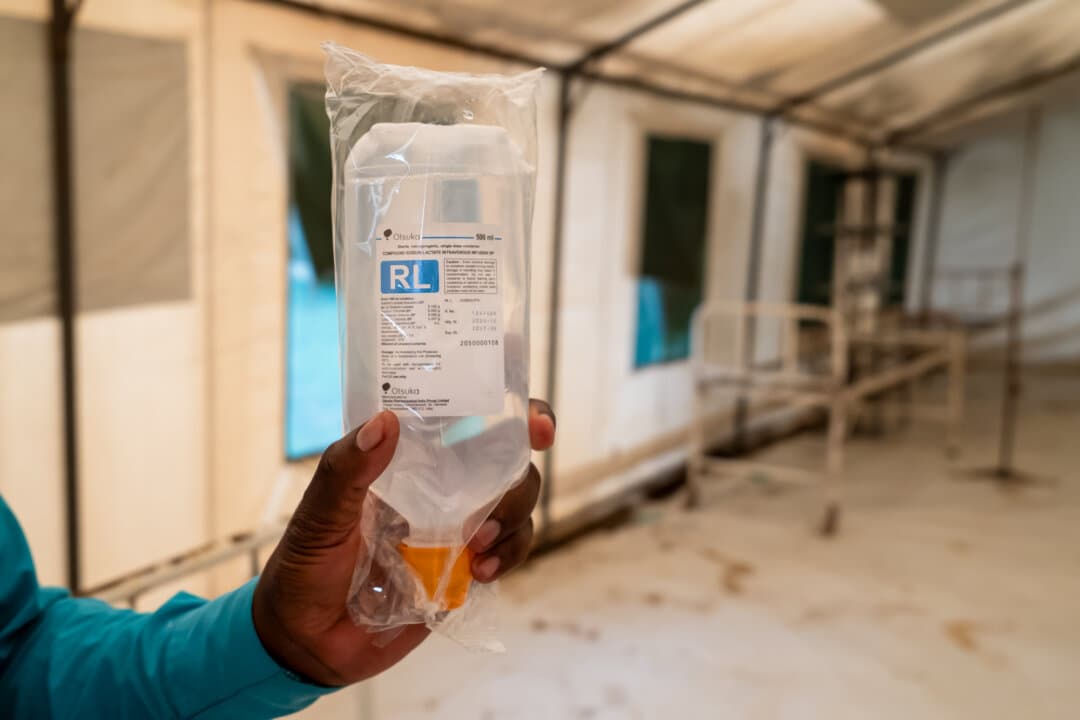
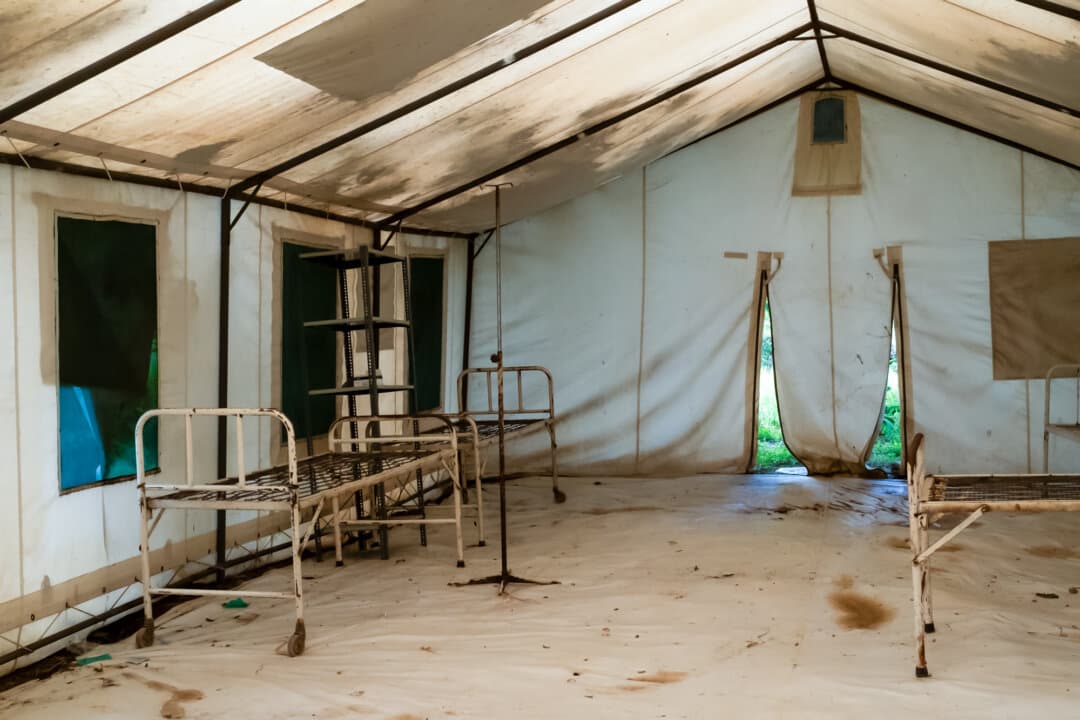
(Top) Senior Health Surveillance Assistant Robert Amissi sits near medical records outside Monkey Bay, Malawi, on Feb. 18, 2026. (Bottom Left) Lactated intravenous infusion solution used to treat cholera sits in an isolation area at a clinic outside Monkey Bay, Malawi, on Feb. 18, 2026. The treatment helps restore hydration and correct metabolic acidosis. (Bottom Right) A cholera isolation area awaits patients outside Monkey Bay, Malawi, on Feb. 18, 2026. (John Fredricks/The Epoch Times)
Patients who survive the journey are required to isolate during the recovery process to prevent spreading the disease to other villagers.
Behind the health center, an isolation tent, which was empty of cholera patients at the time of reporting, had two plastic bags full of Ringer’s lactate sitting on an empty metallic hospital bed for future victims in need.
“A large portion of the patients that must visit our clinic are here because of waterborne diseases,” Amissi said. “There are just not enough [water wells] in these villages, but if there were, clean water would eliminate these cases.”
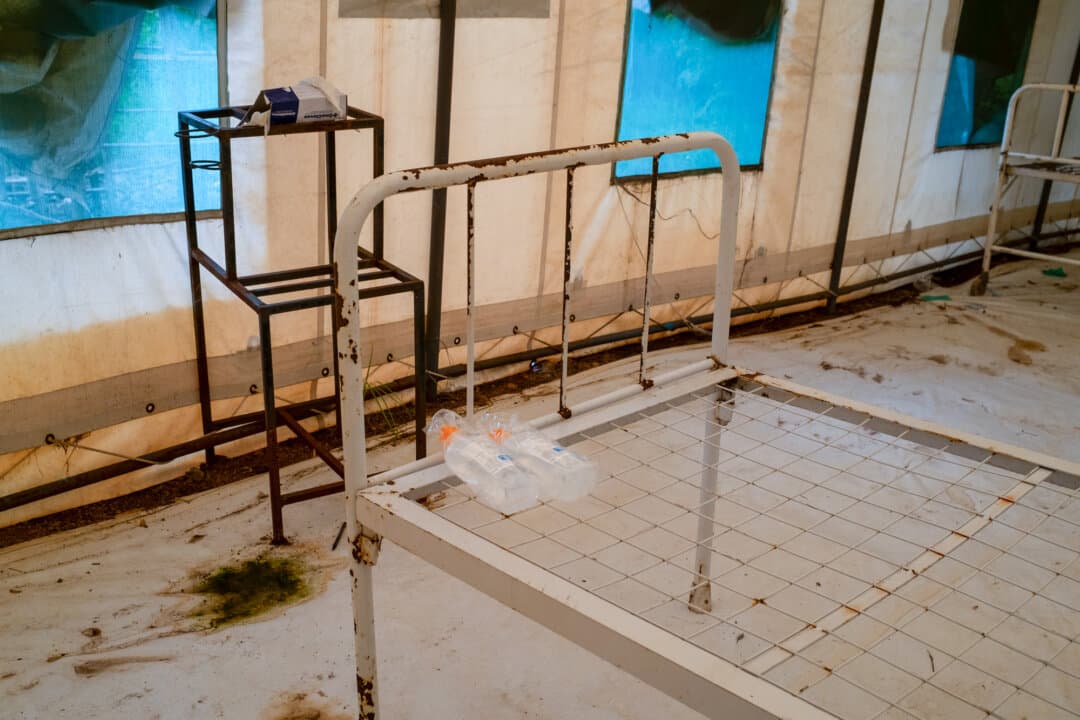
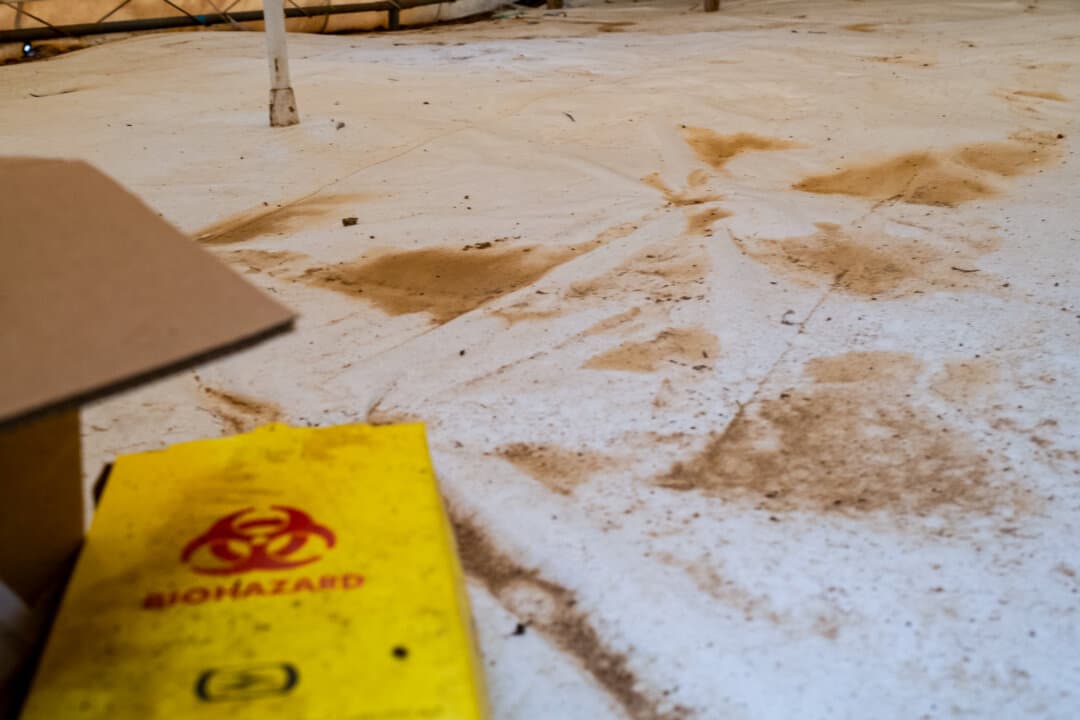
(Left–Right) A Cholera isolation area awaits patients outside of Monkey Bay, Malawi, on Feb. 18, 2026. Highly contagious, the disease requires isolation of the affected to prevent spreading, along with hydration treatments for recovery. (John Fredricks/The Epoch Times)
Water Wells for Africa
Researchers in the 2024 case study found that one-third of Malawi’s safe water resources were inoperable.
On the afternoon of Feb. 24, in front of a rural school in the Mangochi district, two dozen men played a game of soccer, some without shoes, while trying to avoid a protruding metal object in the ground roughly the size of a large motorcycle.
The object was a nonfunctional water well system that had failed several years prior, according to villagers in the area.
The nearest water source was now a polluted stream down a steep hill, several kilometers away.
“There was an organization that placed the water well there in 1999, but the water yield was probably too low, and the water stopped flowing,” Fexton Manja, operations officer for Water Wells for Africa (WWFA), told The Epoch Times while inspecting potential areas in need of wells.
“This area is at a higher elevation, which would create drilling challenges, but we are currently in the process of researching the best possible spot for a functioning well for these villagers.”
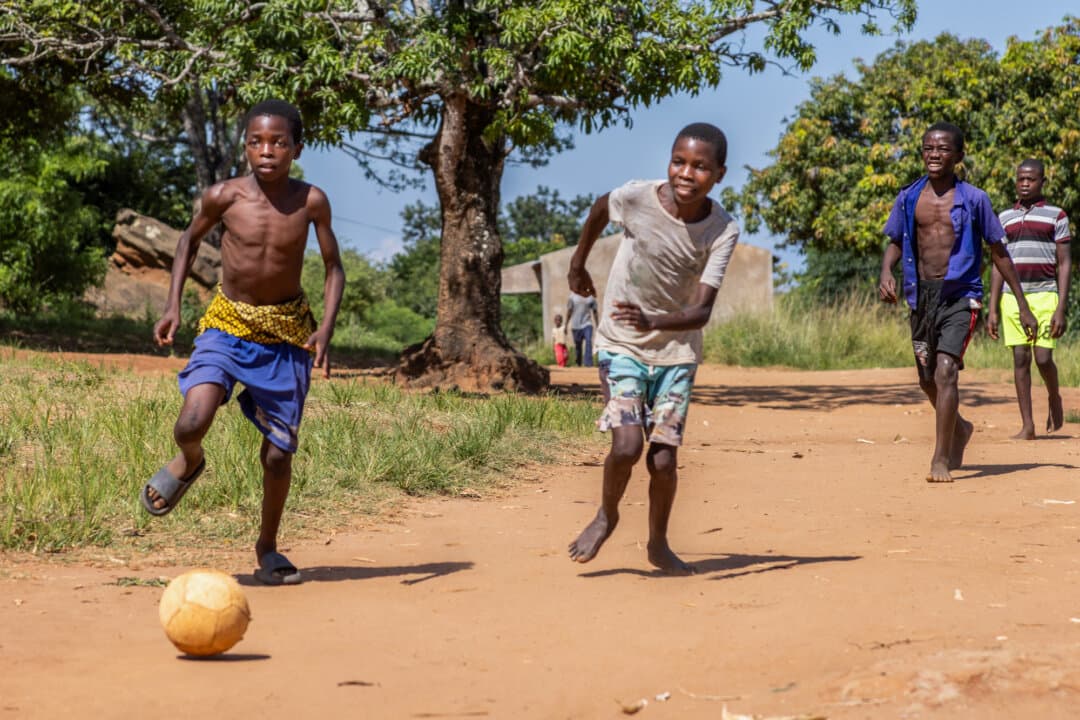
Villagers play soccer in the Mwanza district, Malawi, on Feb. 24, 2026. (John Fredricks/The Epoch Times)
For WWFA, a 501(c)(3) nonprofit, installing water wells in Malawi’s most remote locations has been the core of its operational mission for more than three decades. WWFA paid for The Epoch Times to visit Malawi and learn about the work it does to provide water to locals.
Since 1996, the organization has installed more than 630 water wells in the small African nation, nearly all of which are still operational and serve thousands of villagers who otherwise would succumb to ailments caused by polluted water sources, according to Malawian health officials.
Aside from geographic research to find the most strategic places to put wells, the organization focuses on long-term viability by working with locals to create committees in each village to look after the well.
“The WWFA team here teaches villagers, once wells are put in, how to take care of them and how to report issues,” said Manja, who is a Malawian national. “They know the value of having clean water because of how much their lives have improved since we installed the wells.”
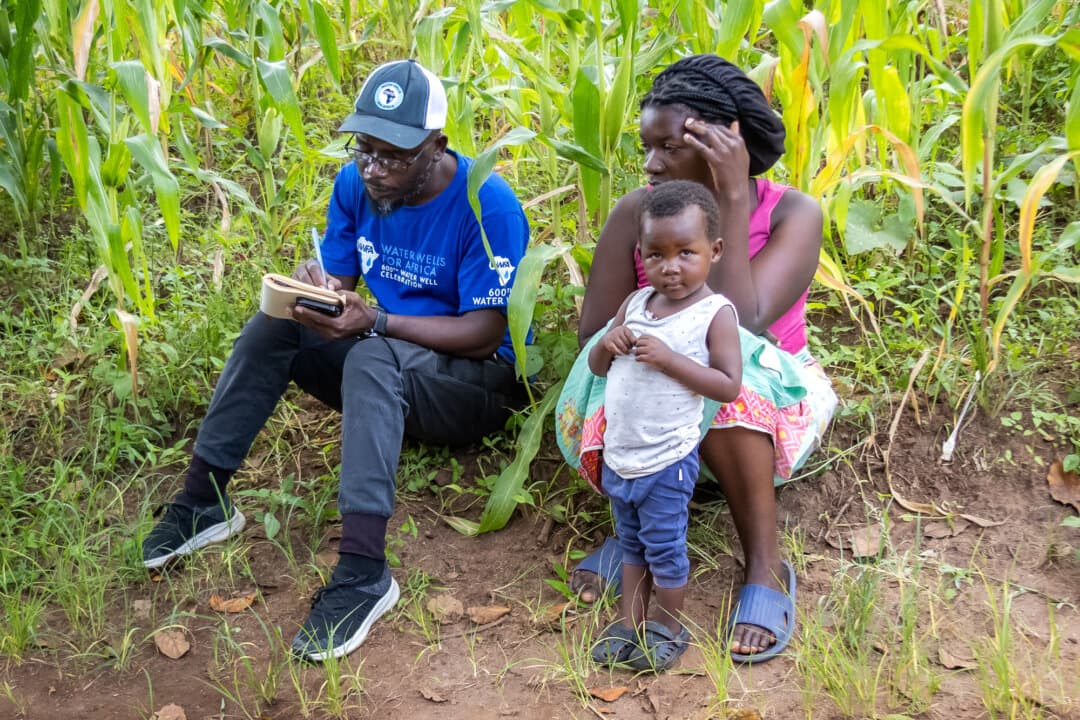
Water Wells for Africa Operations Officer Fexton Manja gathers information during a water well site inspection near the Thyolo district, Malawi, on Feb. 24, 2026. For the nonprofit organization, installing water wells in Malawi’s most hard-to-reach locations has been the core of its operational mission for more than three decades. (John Fredricks/The Epoch Times)
In southern Malawi’s Blantyre district, dozens of locals from the village of William gathered on the afternoon of Feb. 25 after seeing two SUVs featuring the WWFA logo.
The well there was installed in 2020, and well committee member Agatha Andrews told The Epoch Times through a translator that there have been no cases of cholera or other waterborne diseases since.
“Since this well has been put in our village, not only has sickness gone away, but our food also tastes better,” Andrews said.
“I can report to you that there have been no cases of cholera here since the well’s placement and that we now have better sanitation and hygiene in the village as well.”
While WWFA team members were preparing to leave, the villagers began to clap and sing a song of celebration in Chichewa called “Zikala Tele,” a cultural practice in Malawi during times of thankfulness. Dancing and whistling are also part of the performance, which brought a smile to everyone’s face.
On site, WWFA President Kurt Dahlin, 74, has heard the song many times during the course of his 30-year tenure leading the organization.
Multitasking, he softly clapped while entering his vehicle, wearing a grin and a straw hat he purchased from a local vendor several days earlier.
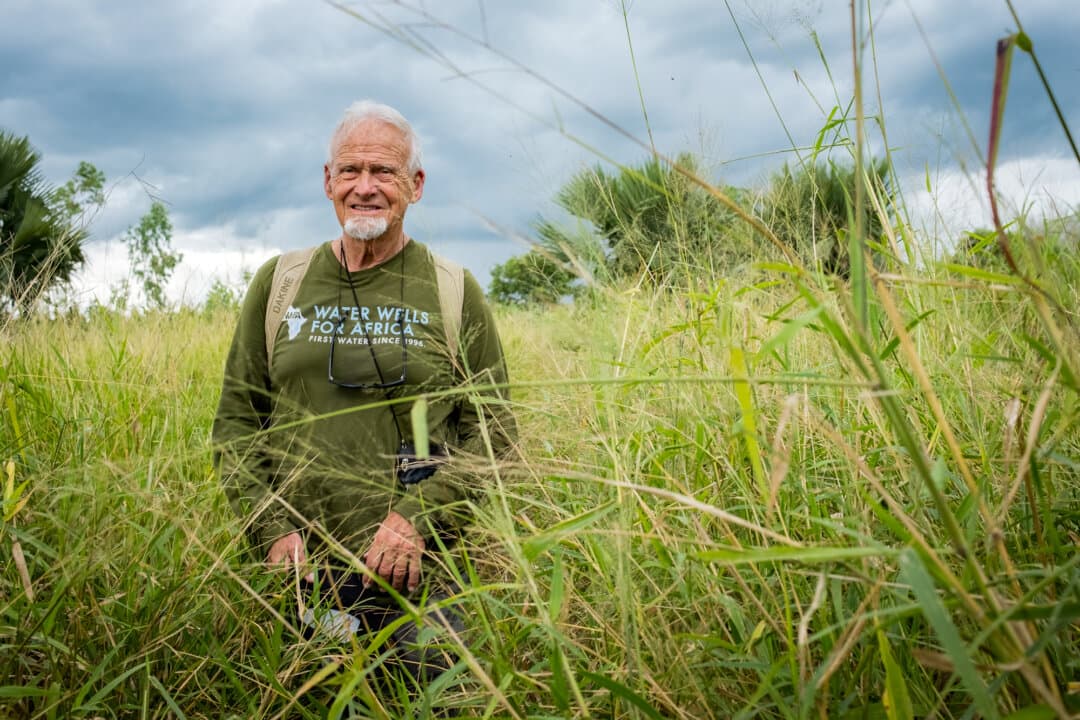
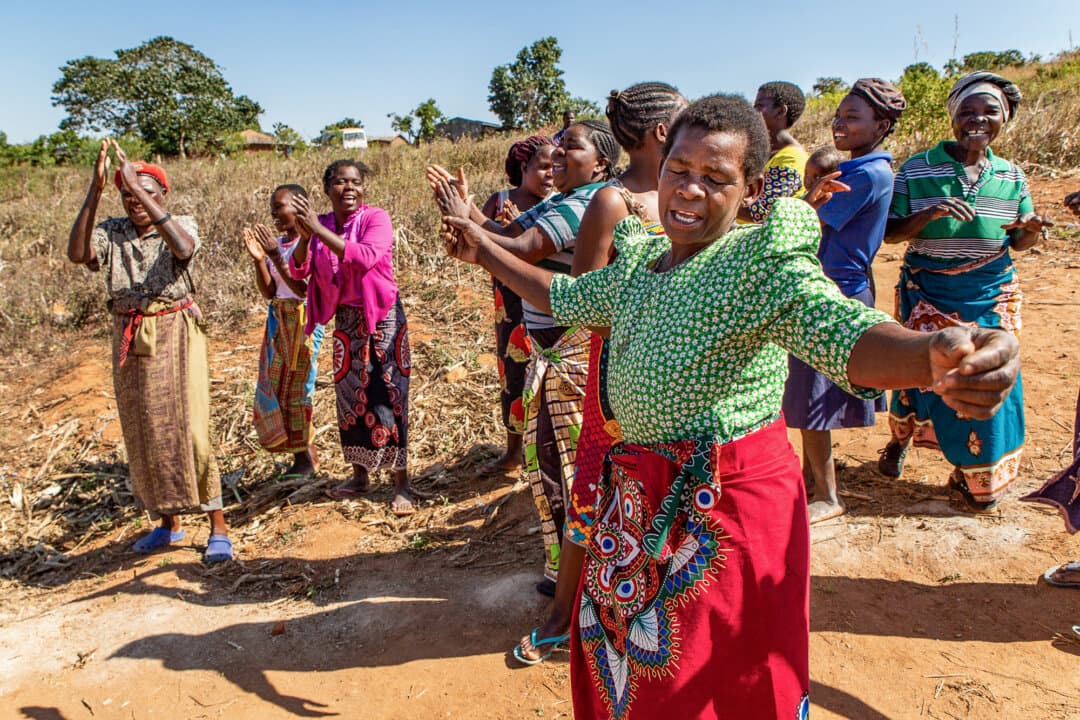
(Top) Water Wells for Africa founder Kurt Dahlin walks through rural farmland outside Monkey Bay, Malawi, on Feb. 18, 2026. For three decades, Dahlin has traveled from Los Angeles to help provide safe water in Malawi. (Bottom) Women celebrate together at a water well built by Water Wells for Africa and donated by actor Charlie Sheen, in southern Malawi, on June 30, 2021. (John Fredricks/The Epoch Times)
“When you learn about the tremendous impact these wells have on the lives of thousands of people, how can you not celebrate this?” Dahlin told The Epoch Times.
“When you see the joy and the life this brings, it’s like, ‘Let’s do this again and again.’”
As the small WWFA convoy exited the area down a rough dirt road, a happy mob of three dozen children ran after it, waving with both hands before slowly fading in the dusty side mirrors of the vehicles.
Dahlin waved back at them even as they disappeared from view.
‘Water Is Life’
For three decades, Dahlin has come to Malawi from his home in Los Angeles with one goal in mind: to provide safe water for people who have never had any.
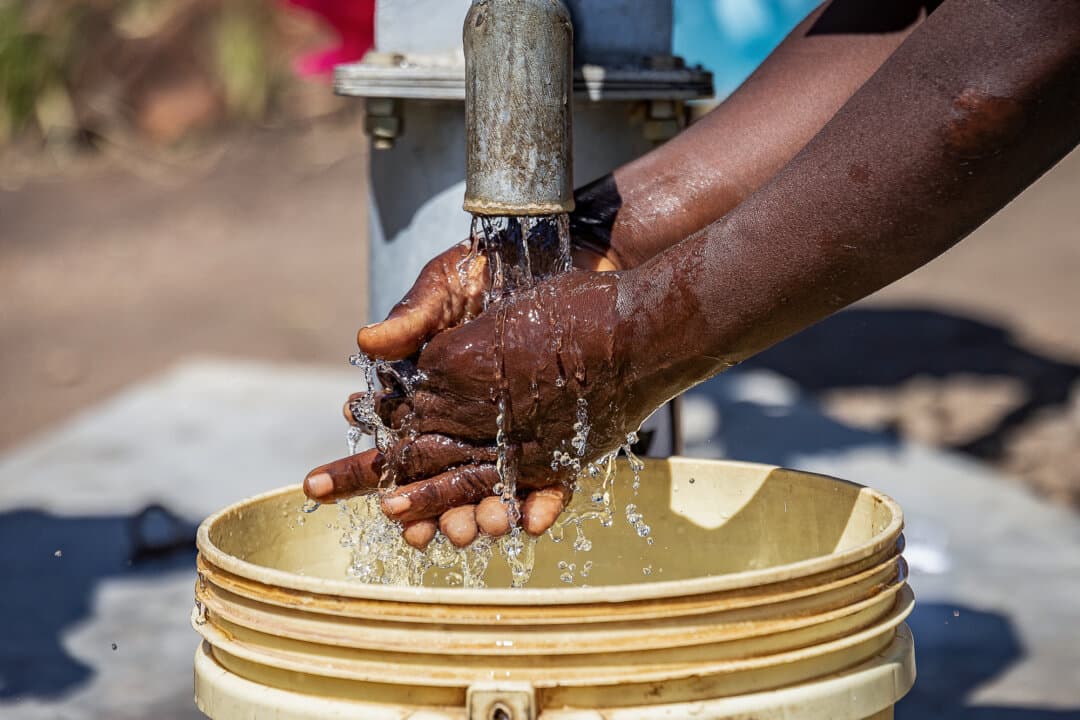
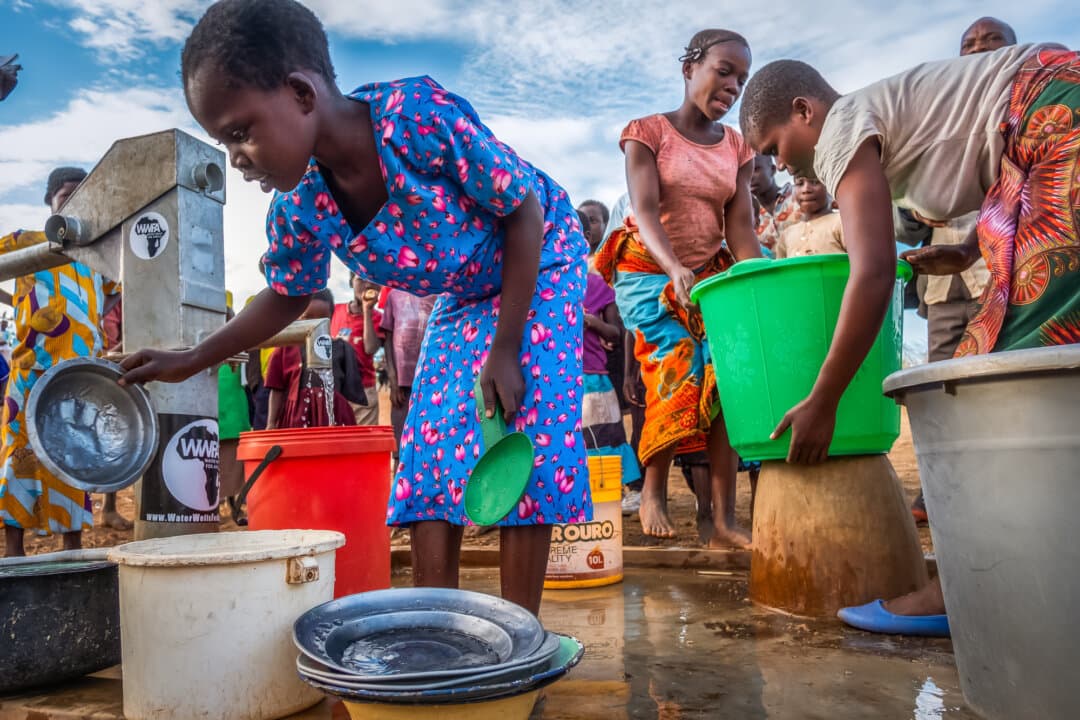
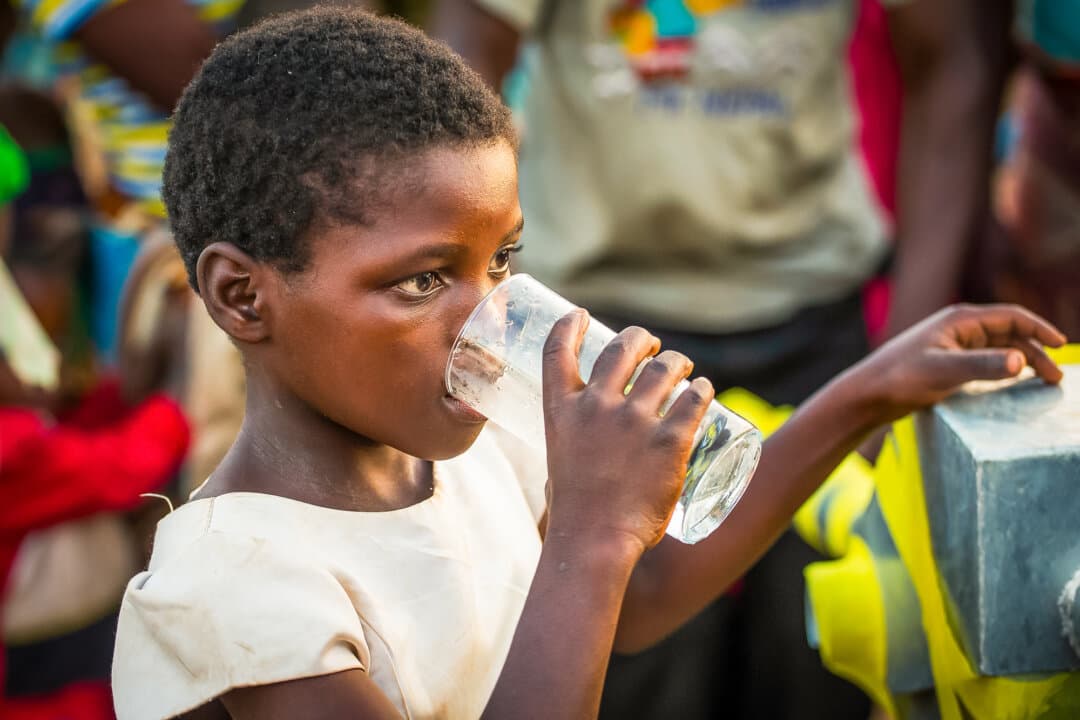
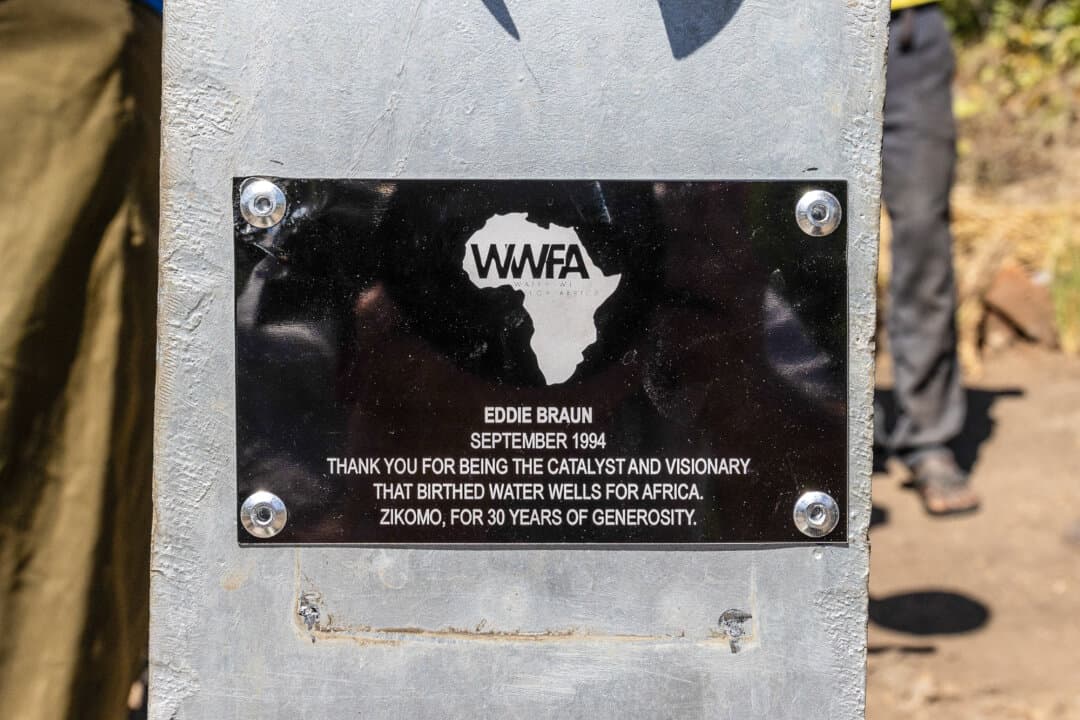
(Top Left) A water well built by Water Wells for Africa, donated by actor Charlie Sheen, continues operation in southern Malawi on June 30, 2021. (Top Right–Bottom Left) Villagers enjoy clean water from a well built by Water Wells for Africa on July 6, 2018. (Bottom Right) A water well funded by stuntman Eddie Braun sits in operation in southern Malawi on June 7, 2023. (John Fredricks/The Epoch Times)
Dahlin, a pastor at Breakwater Church in Redondo Beach, California, first learned of Malawi’s need for clean water in the mid-1990s while he was a missions pastor traveling to some of the world’s most poverty-stricken areas of need.
When he arrived in Malawi for the first time in 1994, he was greeted with a humanitarian crisis unlike anything he had ever witnessed, caused by regional wars and famine.
“Refugees were pouring into Malawi due to a neighboring war in Mozambique, and we discovered that the clean water situation was a crisis in itself ... because there wasn’t any,” Dahlin said.
“There can be no hope for a better future without water because it is the first step out of poverty and suffering.”
The idea of bringing water wells to Malawi had been forever installed in his heart, he said.
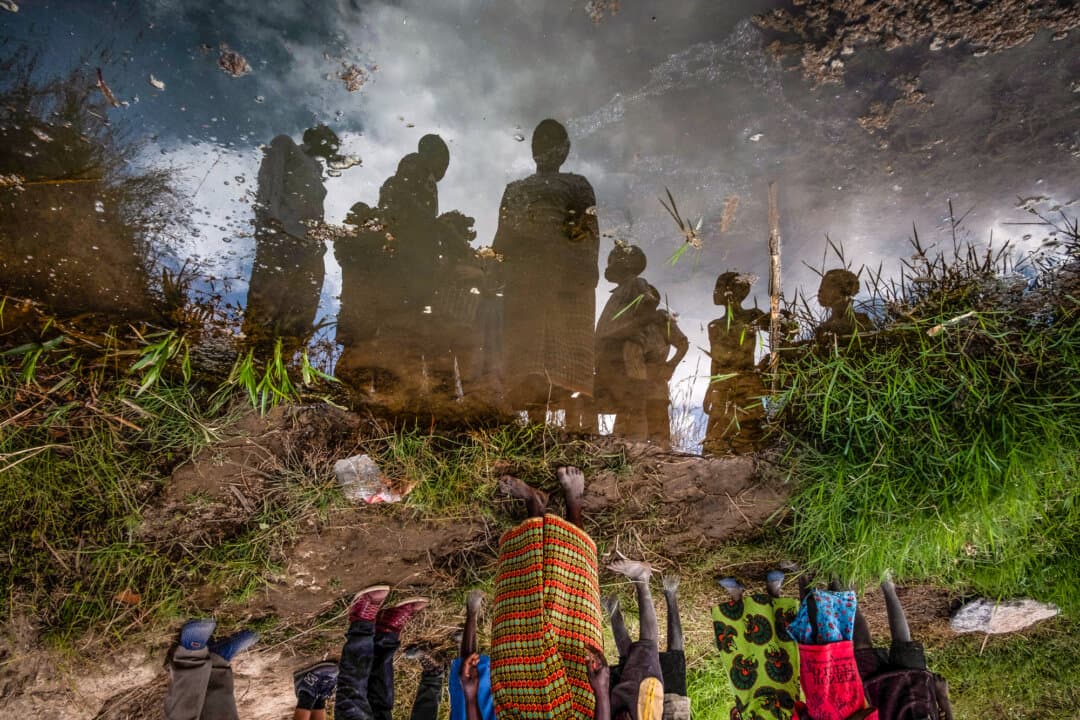
Villagers look upon a contaminated water source in southern Malawi on July 16, 2018. With 75 percent of the nation living on a daily income of less than $3 per day, Dahlin not only sees his wells as a way to keep people alive, but also a way to create opportunities for a population that is often skipped over on world maps. (John Fredricks/The Epoch Times)
Dahlin shared Malawi’s crisis with his Los Angeles network, and fundraising opportunities opened with Hollywood elites including stuntman Eddie Braun and actor Charlie Sheen, who would then go on to become some of the organization’s first major donors.
When Dahlin returned to Malawi in 1996, he oversaw the installation of the organization’s first water well in Nchiwa, a small village in the south that would become the launching point for WWFA.
“We have found that our wells typically have a 30-year lifespan,” Dahlin said. “Our appointing of water well committees at each water well site empowers the villagers to take care of things, and that helps increase the well’s operational lifespan.”
The Wells That Destroy Waterborne Disease
Just two days before, Dahlin and his team met with Malawian medical personnel at several rural clinics in the south to gather information that would allow them to not only identify areas of need but also confirm the impact that current WWFA wells were generating among villagers in the region.
At one clinical visit, HSA Johannes Kantande, who had just arrived from a group of villages in the Golden Kaliyati area, reported that public health had improved in several of them after the installation of a WWFA water well two years prior.
But due to the remote locations of some villages, long distances between the wells and medical clinics were still a health concern, according to Kantande.
“Traveling long distances causes the villagers to obtain water from bad sources,” Kantande said. “But for my colleagues and me, we have seen firsthand that access to your wells eliminates waterborne issues.”
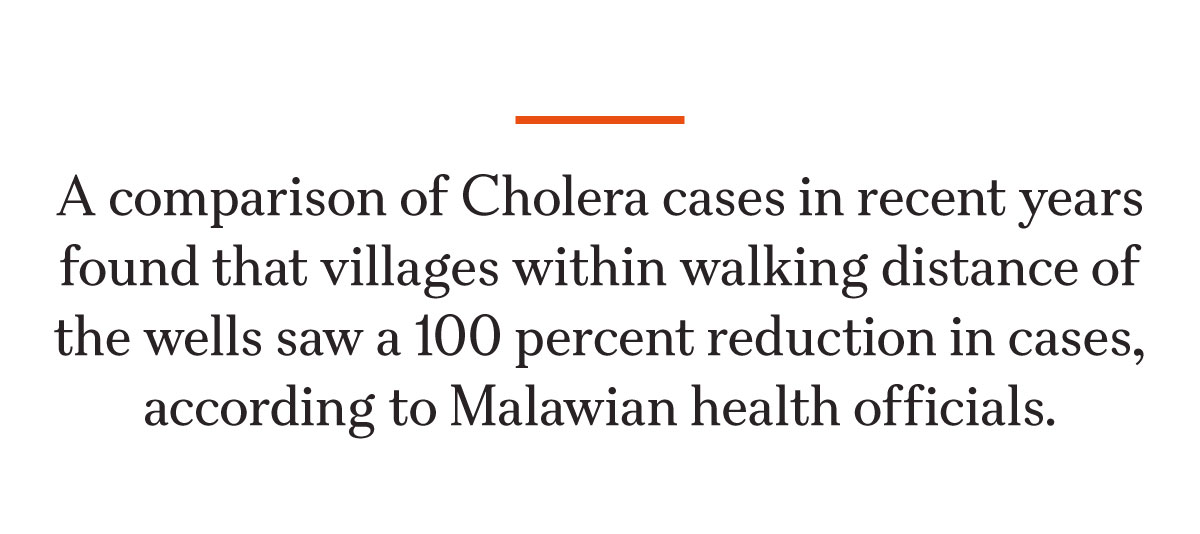
Several hours away at Malembo Health Center in the Mangochi district, HSAs brought in a stack of paperwork that detailed cholera cases in the area within the past several years. The data show that village areas within a walkable distance of WWFA well sites have seen a 100 percent reduction in cholera cases, excluding a case brought into the area from neighboring Mozambique on Malawi’s Eastern border, according to health officials.
“Our clinic has a large population within our medical surveillance area, and much of the waterborne diseases we treat come from people drinking out of Lake Malawi at this time,” HSA Maggie Chipwailia shared with WWFA staff.
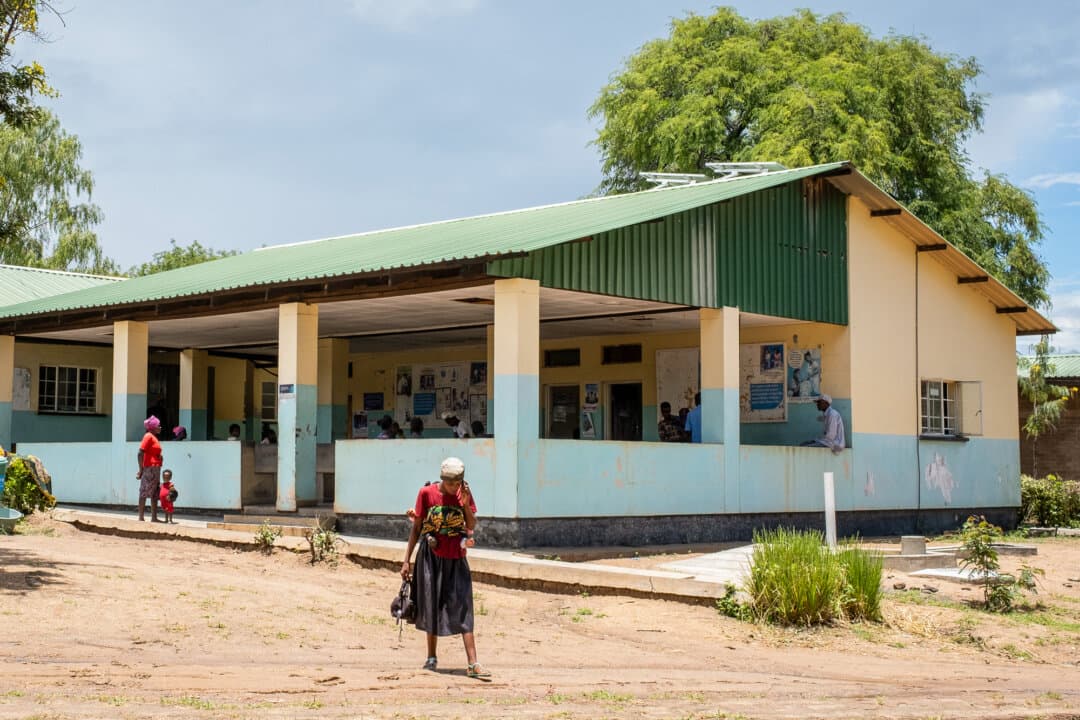
People leave a rural hospital outside of Monkey Bay, Malawi, on Feb. 18, 2026. (John Fredricks/The Epoch Times)
After learning from Chipwailia about a remote village in desperate need of water, Dahlin and his team climbed into two vehicles and headed out to survey the area.
The village of Makocola is a remote group of huts with thatched roofing where hundreds of villagers obtain their water from a polluted stream.
“This might seem inaccessible, but we have gotten drilling trucks through worse roads than this,” Dahlin told The Epoch Times after driving more than an hour on a rough dirt road full of rocks.
“In some cases, villagers will actually work together to create a path for the drilling trucks because it is that important to them.”
According to Dahlin, each well placed by WWFA not only improves villagers’ health but also allows them to create agricultural businesses using the water source.
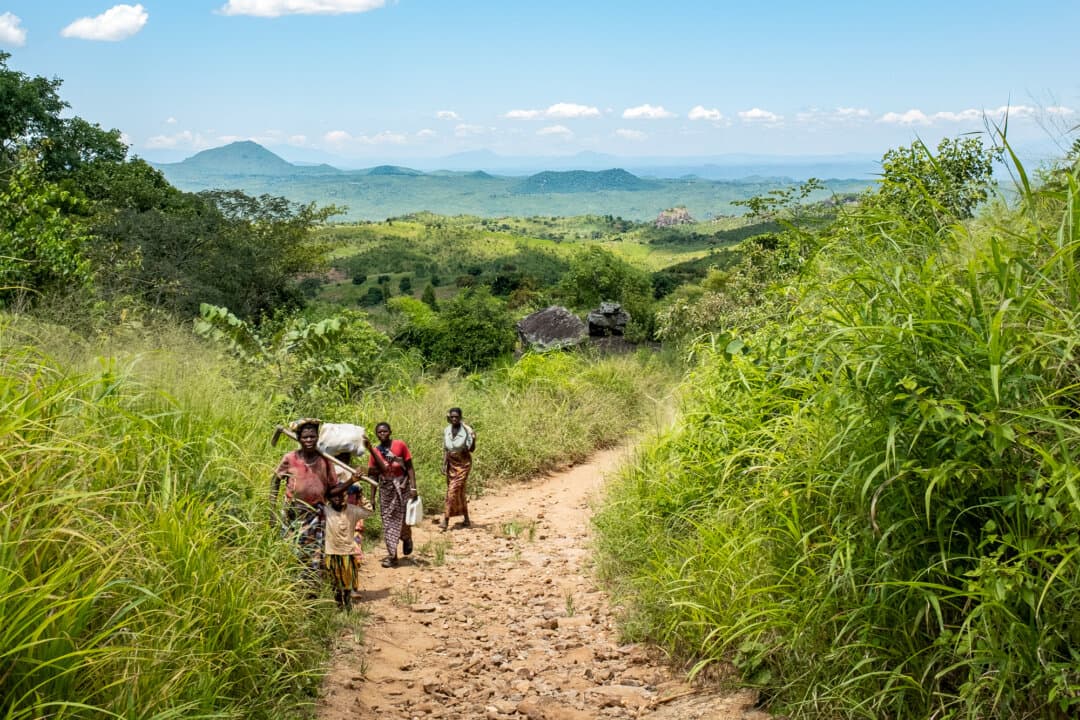
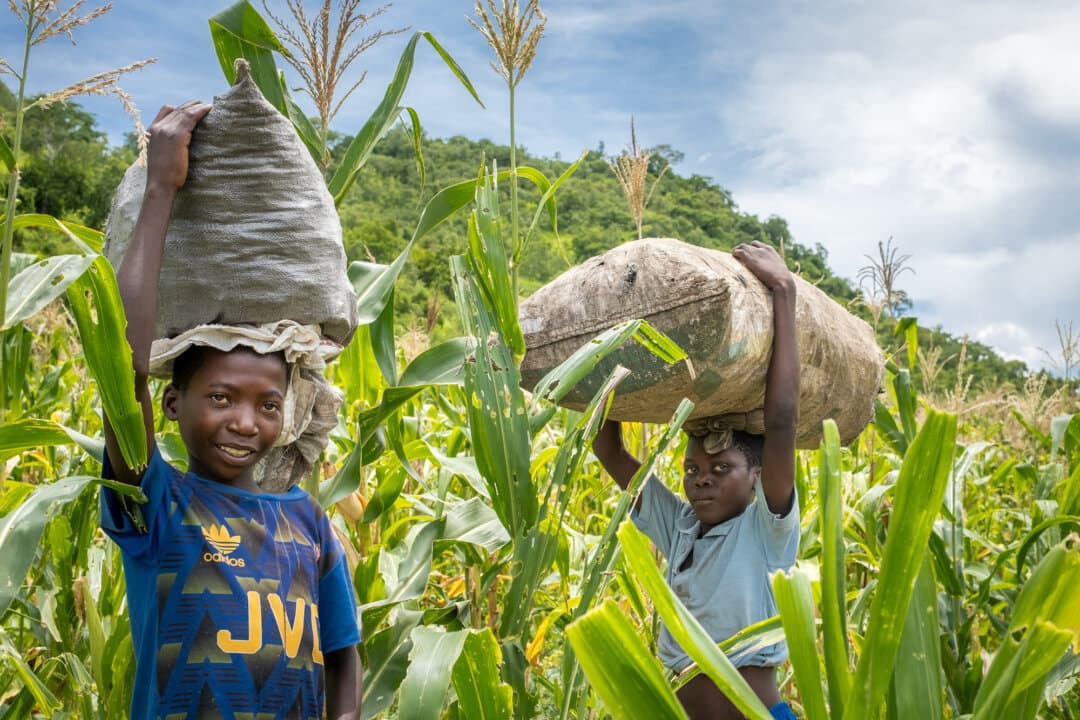
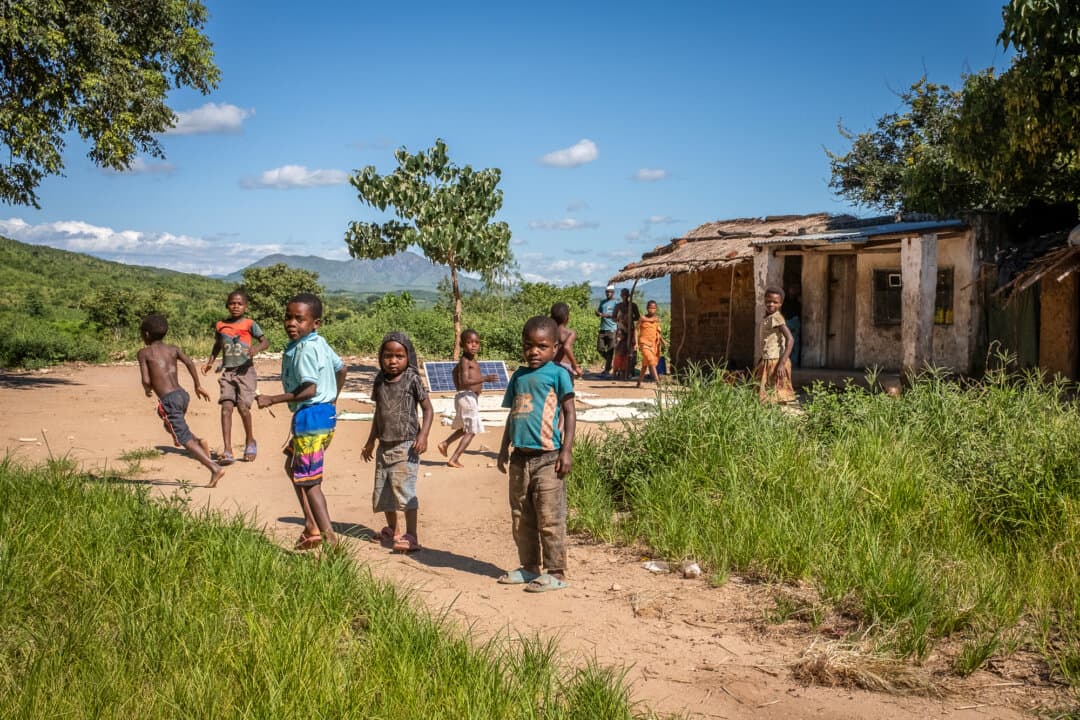
(Left) Rural villagers travel in the Mwanza district, Malawi, on Feb. 24, 2026. (Center) Children work on a farm in the Mangochi district, Malawi, on Feb. 20, 2026. (Right) Children play in a village in the Blantyre district, Malawi, on Feb. 23, 2026. (John Fredricks/The Epoch Times)
It also creates an opportunity for young girls to go to school, as women, who take on the role of obtaining water in Malawi, no longer need to walk for hours carrying a bucket full of water weighing 35 to 45 pounds, on average.
“These wells have a tremendous, generational, positive impact on all aspects of these villagers’ lives when we get a well installed for them,” Dahlin said. “It’s an easy way to make an impact for the people back at home who want help but cannot decide on how.”
The nonprofit organization estimates the cost of each well at $9,000, all of which has been generated by fundraising since the organization’s beginning.
Generational Impact
The nation of Malawi ranks fourth among the world’s poorest countries, with 75 percent of the nation living on a daily income of less than $3 per day, according to the World Bank.
Dahlin sees his wells as a way to not only keep people alive but also create economic opportunities for a population that is often skipped over on world maps.
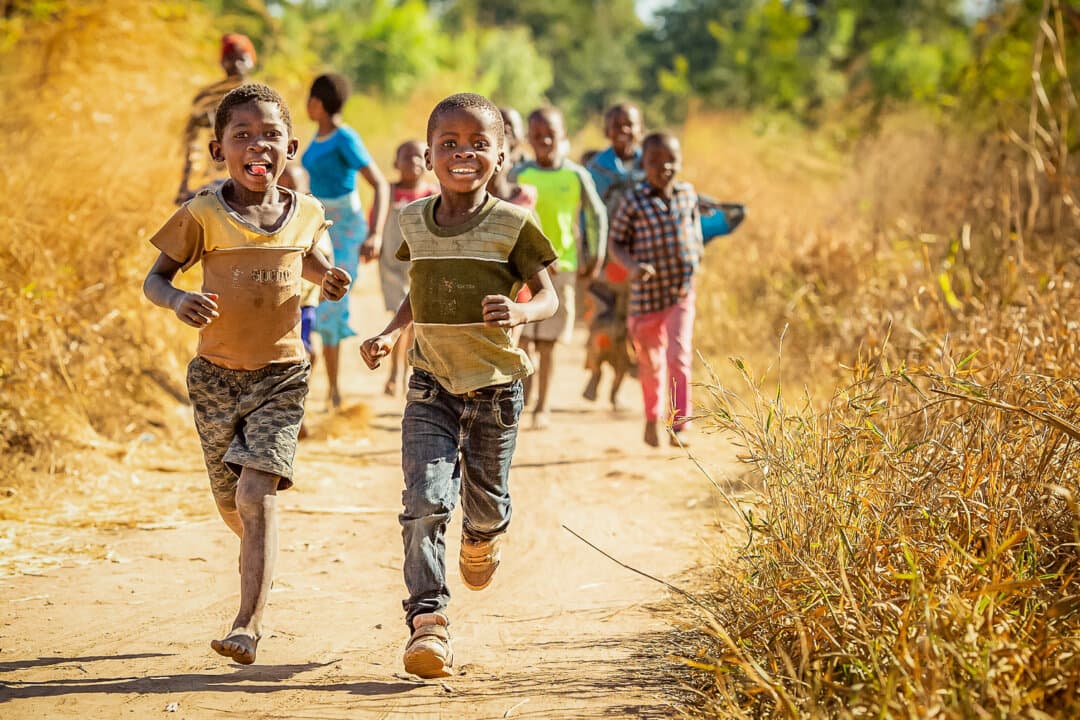
Children run to a water well built by Water Wells for Africa in southern Malawi on June 14, 2019. Kurt Dahlin said that the wells improve health and support agriculture while reducing the need to fetch water, allowing more children—especially girls—to attend school. (John Fredricks/The Epoch Times)
It was while he was preparing to leave one well inspection in the village of Lumwira that Dahlin encountered village Chief Peter Misili, who pleaded with the organization to bring them water.
“My people are always sick because of the lack of safe water here,” Misili said. “I know you are leaving. Please, do not forget about us.”
Dahlin then shook Misili’s hands and smiled, bringing a look of intense relief upon his face.
“We will bring you water, Peter,” Dahlin said. “You can count on this.”
As Dahlin was adjusting his rubber boots for a 30-minute trek through mud-soaked pathways back to the WWFA vehicles, The Epoch Times candidly asked him why he partakes in this humanitarian endeavor far across the world from the comforts of his home in Los Angeles.
“People often ask me this question about why I do this,” he said. “But the right question is, why not do it?”