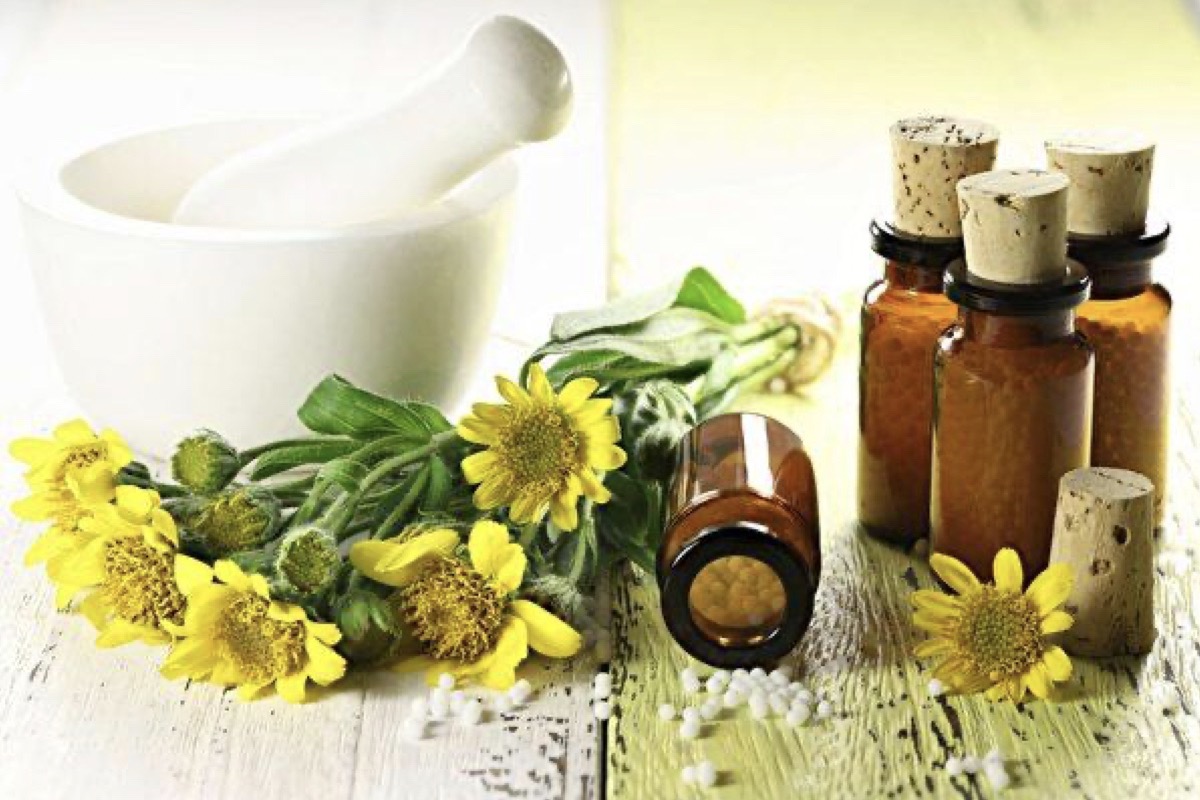
As depression can come in different forms, a registered homeopath with 25 years of clinical experience shared some homeopathic remedies to help with the root causes of the different types.
Homeopath Melissa Crenshaw told The Epoch Times that the goal of homeopathic treatment is to gently restore balance to a person’s vital force, the body’s God-given healing intelligence, so the person begins to recover naturally from within rather than being chemically suppressed.
“Homeopathy recognizes that depression is not just a ‘chemical imbalance’—it’s a dynamic state of imbalance affecting mind, body, and energy,” she said. “Remedies are chosen based on the individual’s total picture—emotional tone, physical symptoms, sleep, appetite, reactions to stress—not just the diagnosis.”
Depression doesn’t always look like sadness, she noted. It can appear as irritability or anger, physical symptoms (fatigue, body pain, digestive issues), apathy or emotional numbness, anxiety and restlessness, oversensitivity and weepiness, or withdrawal from social contact.
“Homeopathy tailors the remedy to each person’s expression of imbalance,” she added.
She said homeopathy can help with many emotional states, including postpartum depression, seasonal affective disorder (SAD), situational or grief-related depression, hormonal or perimenopausal mood swings, burnout and emotional exhaustion, and chronic low mood associated with physical illness.
Each is viewed through the individual’s constitution and maintaining causes, rather than as separate “diseases,” she said.
“No matter the label or the diagnosis of the type of depression, homeopathy can address it,” she said.
Crenshaw said the remedies are always individualized. She shared the following common ones:
- Aurum metallicum—For deep, despairing sadness with self-reproach; strong sense of duty; feeling like a failure.
- Natrum muriaticum—For reserved, grief-holding individuals; silent sorrow, worsened by consolation.
- Ignatia amara—Acute grief, loss, emotional ups and downs, lump in throat.
- Sepia—Hormonal or postpartum depression, indifference, exhaustion, better with exercise or being alone.
- Phosphoric acid—Emotional burnout, grief from disappointment or long stress, mental dullness.
- Pulsatilla—Weepiness, being emotionally open, needing comfort, worse in warm rooms, better in fresh air and company.
Additionally, SAD is a common pattern that responds beautifully to individualized homeopathy, she said. Remedies can address the sluggishness, fatigue, oversleeping, and emotional dullness that some individuals experience in wintertime.
“When light levels drop, supportive measures like light exposure, exercise, and nutrition are also encouraged,” she said.
She also shared common remedies for seasonal affective disorder:
- Natrum carb—Oversensitivity to cold and light deprivation, fatigue, depression in winter.
- Calcarea carb—Sluggishness, low motivation, worse in damp cold, better with warmth and routine.
- Aurum metallicum—Severe despondency with winter aggravation.
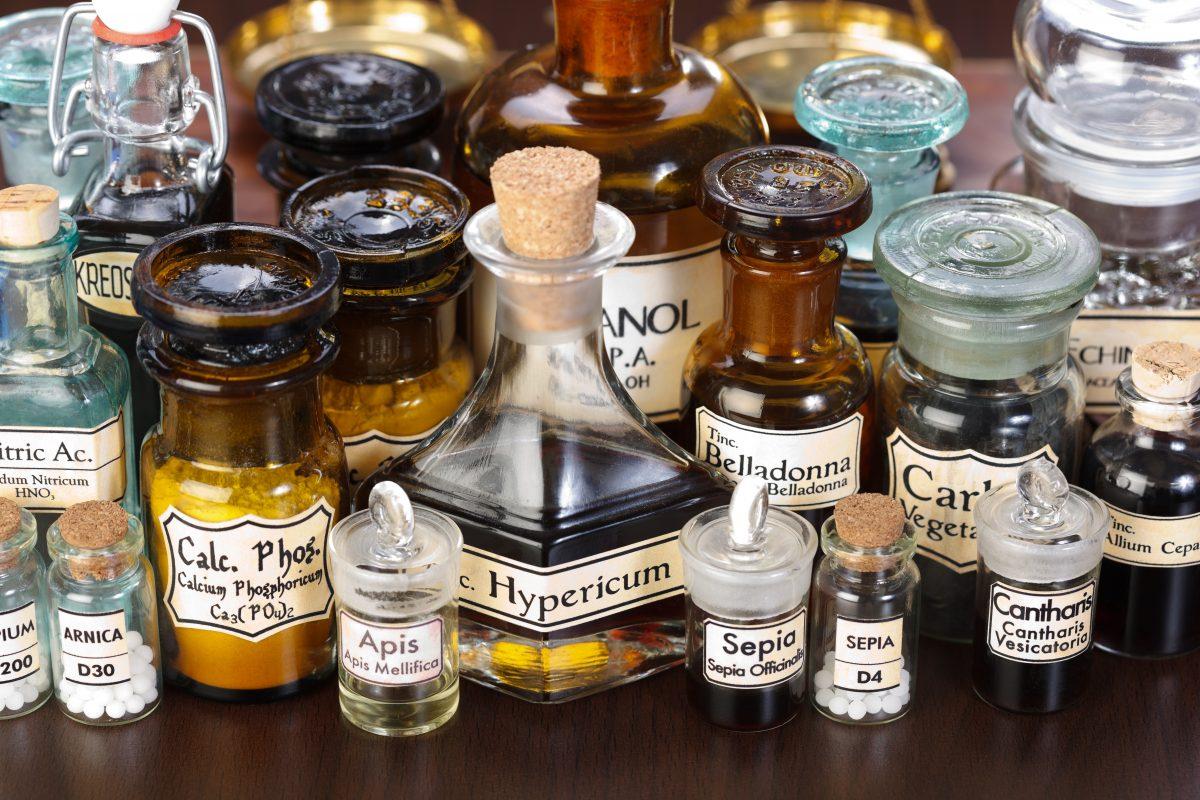
One of the most unique aspects of homeopathy is the preparation of the medicine. (Szasz-Fabian Ilka Erika/Shutterstock)
“If sadness or lack of motivation begins to interfere with daily functioning, relationships, or physical health, it’s time to seek help,” Crenshaw said.
She said warning signs include loss of interest or pleasure in usual activities, changes in sleep or appetite, persistent fatigue, hopeless or self-critical thoughts, and feeling emotionally flat or disconnected.
She added that homeopathy works best when these signs are addressed early, before the pattern becomes deeply ingrained; and that anyone with thoughts of self-harm or severe depression should seek professional help immediately.
She said homeopathy works well as part of a broader integrative support plan.
A randomized controlled trial published in 2017, in which depressed patients were treated by homeopaths, suggested that homeopathic treatment might be of benefit treating symptoms of depression when used alongside usual care.
The trial included 566 patients with 40 percent receiving treatment. At six months, the group that was offered homeopathic treatment had a 1.4-point lower mean depression score than those who were not offered the treatment, and the results were maintained at 12 months. As the trial depended on self-reporting of depression, the authors of the study called for further research.
An observational study of participants from an urban population in India showed positive results of homeopathic intervention for patients suffering from depressive disorders.
The study was conducted from 2009 to 2012 at the Multi-Specialty Clinic and Research Centre of The Andhra Pradesh Homoeopathic Association. Researchers analyzed 175 patients aged between 15 and 30 years with symptoms of depression.
They found that 39 patients showed marked improvement with homeopathic treatment; 76 showed moderate improvement; 34 showed mild improvement; and 26 showed no improvement. Remedies that had a positive effect included Ignatia, Nat mur, Nux vomica, Staphysagria, Arsenicum album, and Lycopodium.
“Homeopathic remedies can bring remarkable improvement—often calming anxiety, increasing motivation, and restoring sleep and emotional equilibrium,” Crenshaw said. “I’ve seen clients who felt ‘stuck’ begin to reconnect with purpose, creativity, and joy after the right remedy. Each case is unique, but improvement is common even in long-standing emotional conditions.”
She said she has helped people come off bipolar medications that they’ve been on long-term.
She said homeopathy shines in the treatment of mental-emotional conditions, and in her experience 95 to 98 percent of people will get better mentally and emotionally before their physical body starts to get better.
“When we bring balance to the nervous system and the brain function, then the physical conditions start to get better, like your gut health, [and] the hormones can then start to line up,” she said. “Because when you’re in a depressive state or a fight-or-flight state even ... your body can’t heal.”
In her experience, she said, homeopathy offers a compassionate, individualized path to healing that honors the whole person, that doesn’t mask symptoms but helps restore balance and vitality.
For depression, she added, the remedy often reignites the person’s inner light, helping them reconnect with who they truly are.
Additionally, Crenshaw shared that eating a good diet, being grounded, and working on your health in other ways can also help with healing.
“Homeopathy isn’t a magic pill,” she said. “It’s not the one and only fix, but it can do a lot in bringing balance to the body.”
Crenshaw’s training included advanced clinical homeopathy from Dr. Robin Murphy’s Lotus Health Institute, as well as the Licentiate Program at the Centers for Homeopathic Education in London. Her work combines classical homeopathy principles with practical homeopathy clinical approaches for modern health challenges. She can be found at MelissaCrenshaw.com.