
The Federal Reserve begins its two-day policy meeting on Oct. 27 as officials weigh persistent inflation pressures against signs of a cooling labor market.
In September, officials raised interest rates by a quarter point for the first time in three years, lifting the benchmark rate to a new target range of 3.75 percent to 4 percent. Traders had initially penciled in back-to-back rate hikes, but evolving economic data forced investors to reprice expectations.
As the Federal Open Market Committee convenes for its second-to-last meeting of the year, officials will review a mixed set of indicators that could prompt them to hit the pause button.
High energy prices are driving inflation, with the annual rate ticking up to 3.7 percent last month. Structural inflation—stripping out food and energy—remained tamer at 2.6 percent.
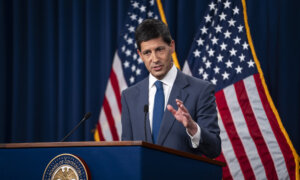
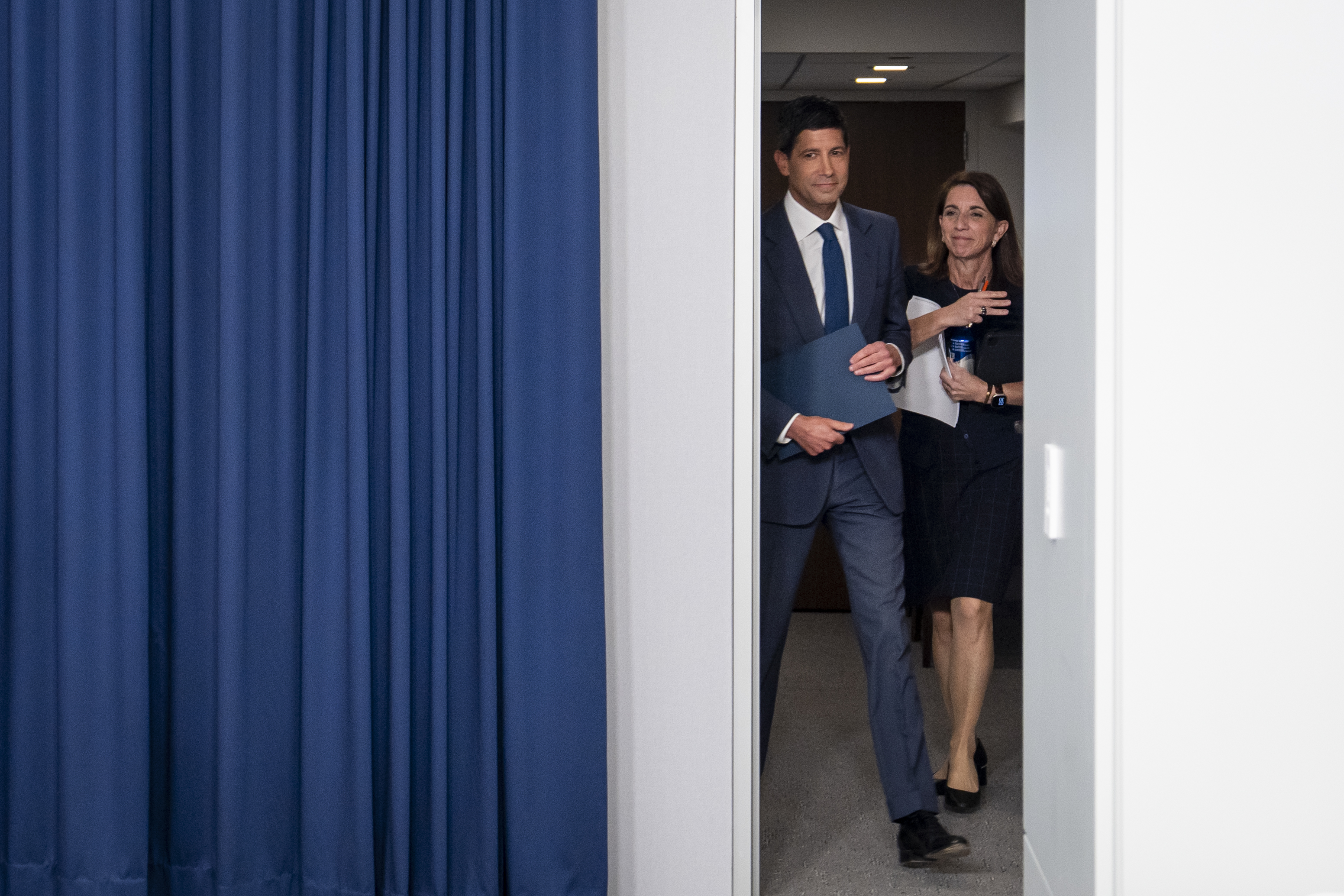
Chairman Kevin Warsh has repeatedly committed to delivering on the central bank’s dual mandate on price stability after missing its 2 percent target for 66 consecutive months. But a surprisingly weak September jobs report may be enough for policymakers to pause rate hikes.
The economy added just 29,000 new jobs last month, far below the consensus forecast of 90,000 and down from August’s 133,000 gain. The unemployment rate unexpectedly edged up to 4.2 percent as more people joined the workforce.
“The argument is about the pace of tightening, not necessarily its direction,” Jay Woods, chief market strategist at Freedom Capital Markets, told The Epoch Times in an emailed note.
“The Fed already raised rates in September, and policymakers can allow that move time to work while assessing whether inflation keeps broadening.”
While various Fed voices have endorsed further tightening, many have also said the speed of hikes is worth considering. One of them is Fed board member Christopher Waller.
Waller said earlier this month that he anticipates more rate hikes to pursue the institution’s 2 percent target but noted there can be “flexibility” on the current path.
“But there is some flexibility about when those hikes will occur. The hikes do not need to come at consecutive meetings, but they should be in place in an acceptable period of time,” Waller said in an Oct. 8 speech.
In Fed parlance, monetary policy generally lags, meaning it takes time for interest rate actions to move through the marketplace.
New York Fed President John Williams, meanwhile, said he is penciling in one more rate hike this year but no additional hike next year.
Futures markets are betting on a 74 percent chance of a 25-basis-point rate increase in December, according to CME FedWatch Tool data. They also expect another hike in March.
Despite a steady stream of economic data since the last meeting, the Fed will still be missing one key piece of information. The Bureau of Economic Analysis will release the Fed-preferred Personal Consumption Expenditures (PCE) Price Index for September one day after the central bank announces its decision.
According to the Cleveland Fed, the 12-month core PCE inflation is forecast to rise to 3.1 percent, from 3 percent in August.
Post-Meeting Press Conference
What the central bank chief says at the post-meeting press conference will be as valuable as the Fed’s policy decision.
“Warsh will be asked to explain why waiting remains appropriate, what would trigger another hike, and whether the committee views inflation as increasingly persistent,” Woods added.
“His reluctance to provide forward guidance makes those explanations especially valuable.”
One of the key changes Warsh introduced at the Fed was removing forward guidance. Introduced in the early 2000s, forward guidance had the central bank leadership signal the policy path it would take, letting markets do some of the work for policymakers. But Warsh wants to listen rather than do the talking.
Still, based on comments overseas this month, the U.S. economy’s resilience could be one factor behind the October decision.
At the International Monetary Fund–World Bank Annual Meetings, Warsh withheld a rate signal. Instead, he referenced the “synchronous tightening” central banks worldwide have undertaken in the last month.
The European Central Bank and the Bank of Japan have been among the institutions to pull the trigger on rate hikes. The Bank of England and the Bank of Canada are also expected to raise interest rates.
“We came to a judgment,” the chairman said. ”I want to say broadly over the month or so that’s transpired since then, the world has broadly conformed to our expectations.”
Warsh also expressed surprise at the strength of economic conditions—at home and abroad—despite the headwinds.
“Almost everywhere in the global economy is showing resilience; I’m not sure I would have predicted that five or six months ago,” he said.
The Atlanta Federal Reserve’s widely watched GDPNow Model estimates third-quarter growth at 3.5 percent, driven by consumer spending, business investment, and changes in private inventories.
On Thursday, the Bureau of Economic Analysis will release its first estimate of July–September growth.