
The Federal Reserve is widely expected to keep interest rates unchanged when policymakers finish their Oct. 27–28 meeting.
Odds of back-to-back rate hikes are slim after softer September employment data and comments from officials this month downplayed an October move.
Futures market data suggest the Fed will leave the benchmark federal funds rate—a key interest rate that influences borrowing costs for businesses and consumers—in the current range of 3.75 percent to 4 percent.
Heading into this week’s Federal Open Market Committee gathering, traders have penciled in December as the next meeting to pull the trigger on a quarter-point rate increase.
“It would be quite shocking if the Fed did anything other than sit on its hands this month. I expect a hawkish hold,” Jesse Marre, senior portfolio manager at Hilbert Group, told The Epoch Times in an emailed note.
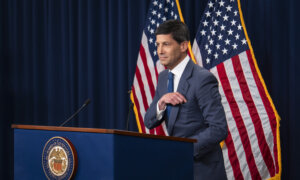
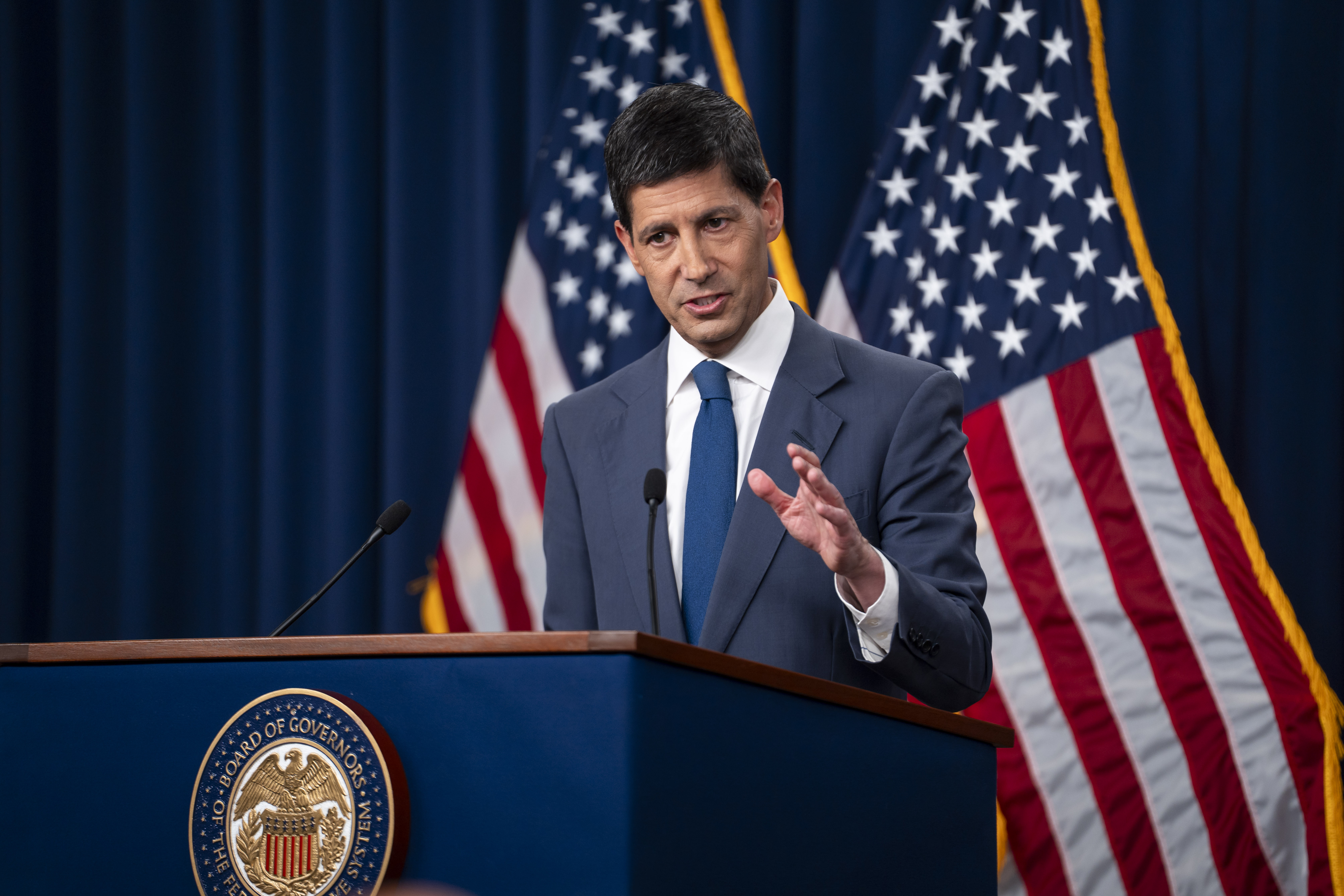
Until then, Wall Street will comb through the Fed’s post-meeting statement and Chairman Kevin Warsh’s press conference for clues on monetary policy. Since his arrival, however, statements have been brief, and Warsh has avoided forward guidance in press remarks.
At the International Monetary Fund–World Bank Annual Meetings, Warsh withheld a rate signal, telling the audience he would not prejudge what the Fed would do on rates.
A chorus of Fed voices has suggested delaying a hike would be prudent and give the central bank time to digest inflation and labor market data.
“My colleagues and I will need to come to our own judgment, which may take more time. I will continue to assess whether underlying trends suggest that inflation will return to target with sufficient speed,” Fed Vice Chair Philip Jefferson said in an Oct. 1 speech.
Despite widespread support for pausing, it is unclear whether the Fed will again vote unanimously after September’s 12–0 vote.
Prediction markets have signaled a 35 percent chance of two dissents. Cleveland Fed President Beth Hammack and Dallas Fed President Lorie Logan are two names floated as potential supporters of a rate hike.
They have been adamant about tightening policy to clamp down on inflation and restore the central bank’s 2 percent target.
“I currently estimate the target range needs to rise an additional 50 basis points or more to appropriately balance the outlook and risks for our dual mandate goals,” Logan said in prepared remarks earlier this month. “We must restore price stability.”
‘Danger for the Fed’
The Fed took out an insurance hike in September to prevent the oil price shock from bleeding into the broader economy.
Economists worry that hiking rates amid a supply shock could damage the economy, especially in areas that are already sluggish.
“I don’t think the economy is overheating, but I think some of this inflation stickiness is due to structural issues, particularly the oil spike,“ former Dallas Fed President Robert Kaplan told CNBC’s ”Squawk Box” on Oct. 22.
“The danger for the Fed is if you hike too aggressively, you might not make a dent in inflation.”
The labor market—already in an oft-described low-fire, low-hire state—could be a casualty in the Fed’s inflation-fighting crusade.
The economy added just 29,000 new jobs in September, far below forecasts and down from the 133,000 created in August. Traders had initially priced in two straight hikes, but the weaker-than-expected jobs report threw a wrench into these plans.
Additionally, the U.S. economy has seen slightly tighter financial conditions since the September hike. Tech executives, including Nvidia’s Jensen Huang and SpaceX’s Elon Musk, noted in the last week that it is becoming harder to raise capital in today’s climate.
But price stability remains the focus for monetary authorities, as inflation has missed the 2 percent target for more than 60 consecutive months.
Last month’s annual inflation rate surged to 3.7 percent. After stripping out volatile energy and food prices, 12-month core inflation edged up to 2.6 percent.
Looking ahead to the October Consumer Price Index, the Cleveland Fed’s Inflation Nowcasting Model suggests recent price pressures may have plateaued. The annual headline and core inflation readings are expected to come in at 3.7 percent and 2.5 percent, respectively.
“The question is simple: Has the headline number impacted the core?” Jay Woods, chief market strategist at Freedom Capital Markets, said in a note emailed to The Epoch Times. “The longer higher energy and food prices remain elevated or even extend higher that answer is likely yes.”