A seemingly safe and clean home may harbor toxins we cannot see. Food in the refrigerator and commonly used cleaning agents can both pose health dangers.
Toxins Hidden in Refrigerator Food
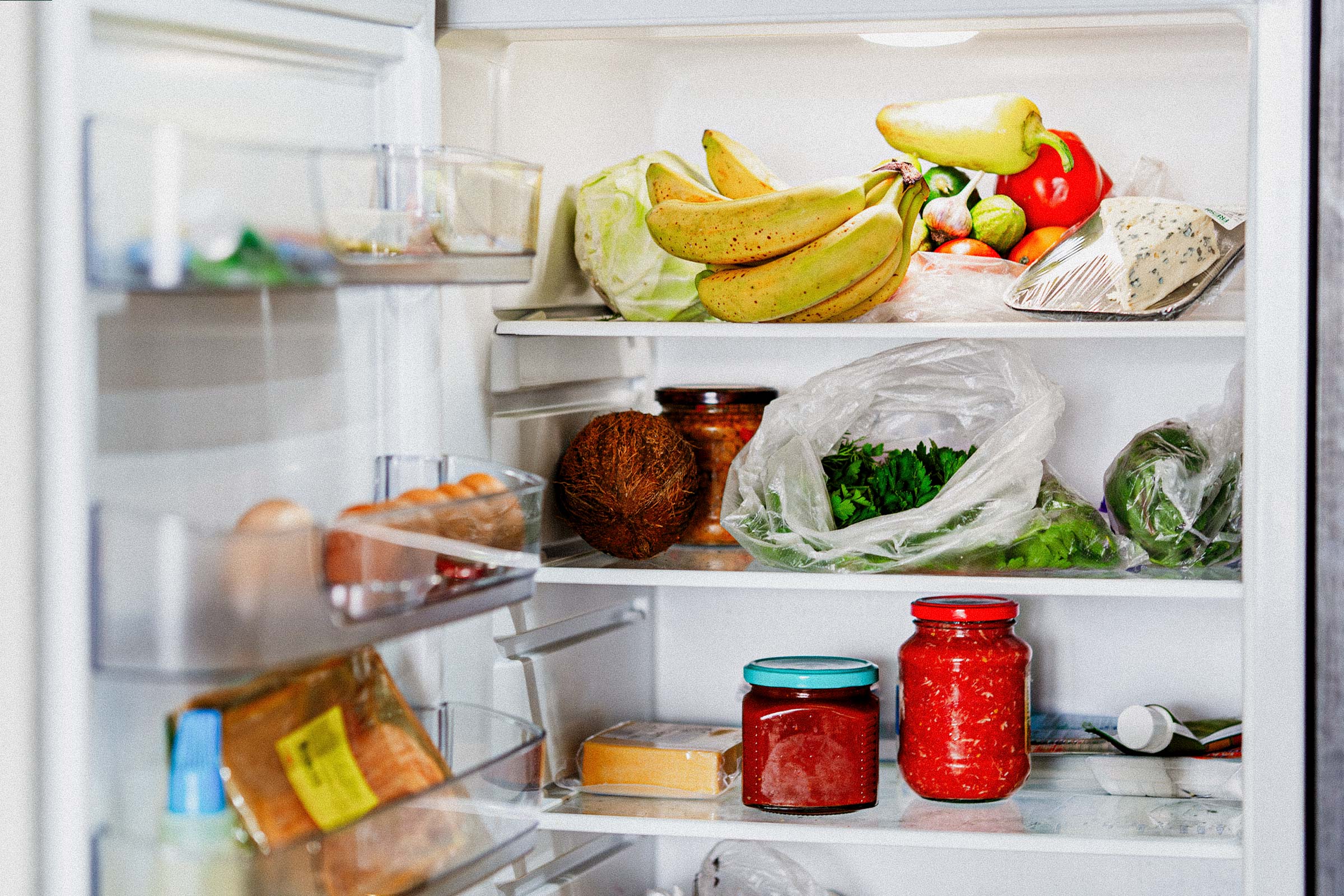
“My mother’s refrigerator is always fully packed, so much so that we often only eat the food near the door and forget about the rest,” said Chao Ming-Wei, a certified toxicologist with the American Academy of Toxicology and an associate professor in the Department of Biotechnology at Chung Yuan Christian University, in an episode of “Health 1+1” on NTD, a sister outlet of The Epoch Times.
After his mother was diagnosed with pancreatic cancer, Chao reflected that hoarding food might have been one of the factors contributing to her illness. Even frozen foods have a shelf life and are not “faultless forever,” especially protein-rich items, he said. After being frozen for one to two years, these foods may suffer from “freezer burn” (quality deterioration) and no longer be suitable for eating.
The situation is even more serious with whole grains, Chao said. Items such as peanuts, red beans, mung beans, soybeans, and corn are prone to moisture and mold growth, which may be invisible to the naked eye.
Research has shown that fungal toxins produced by mold, such as aflatoxin and ochratoxin, can damage DNA, increase oxidative stress, suppress the immune system, and interfere with the cell cycle, thereby increasing the risk of cancer. Epidemiological evidence shows a close correlation between long-term intake of contaminated food and an increased risk of liver, kidney, and esophageal cancer.
Household skills coach Chen An-Chi, on the same program, noted that if a thick frost or ice crystals appear on the surface of food, it often indicates unstable storage temperature or prolonged storage, resulting in a decline in food quality and nutritional value.
She recommends the following refrigerator management techniques:
1. Avoid Overfilling: Keep the refrigerator no more than 70 percent full. Overfilling can lead to poor air circulation and make it difficult to identify food.
2. Follow the First-In, First-Out Rule: Place newly purchased items at the back and older ones at the front for priority use.
3. Immediately Repack Large Packages: Food is prone to accelerated deterioration after thawing and refreezing. It is recommended to repackage into single-use portions and label them with the date.
4. Separate Raw and Cooked Foods: Cooked foods should be placed on the upper shelf and raw foods on the lower shelf. Cooked foods are usually only reheated to about 140 to 158 F, which may not kill all bacteria. If contaminated by drips from raw foods, germs may be transferred.
Incorrect refrigerator cleaning methods can also contaminate food. Some people use bleach to wipe the refrigerator for disinfection, Chen said, but residues may evaporate or adhere to the inner walls and shelves and then be absorbed by food. She suggested wiping the refrigerator with water or using a 75 percent alcohol spray on a damp cloth to reduce bacteria and prevent chemical residues from coming into contact with food.
High Temperatures and Food Containers
High temperatures can release toxic substances from food storage containers. Besides the food itself, the containers holding it can also be a source of toxins. Two types of plastics to avoid are PVC (plastic number 3) and PC (plastic number 7), which contain plasticizers and bisphenol A (BPA), respectively, Chao said.
Studies have found that when food is stored in PC containers, higher temperatures increase BPA release, and the release rate accelerates with prolonged storage.
Even plastic products labeled as heat-resistant, such as those with numbers 2, 5, and 6, typically withstand temperatures only slightly above 212 F, and much higher temperatures may cause the plastic to melt, he added. He recommended using relatively stable materials such as stainless steel or glass for food containers.
Beware of ‘Natural’ Cleaners
Chao holds some skepticism toward cleaners labeled “natural” or claiming to contain “enzymes,” as enzymes are usually extracted or synthesized rather than “natural,” he said, and their effectiveness for external cleaning is also questionable.
Chen suggested choosing cleaners with simpler ingredients. If chemical cleaners must be used, take precautions such as wearing masks and gloves, ensuring ventilation, and never mix different cleaners to avoid unwanted chemical reactions, such as chlorine poisoning from mixing bleach with other cleaners.
Baking Soda and White Vinegar Make Natural Cleaners
(Luis Echeverri Urrea/Shutterstock)
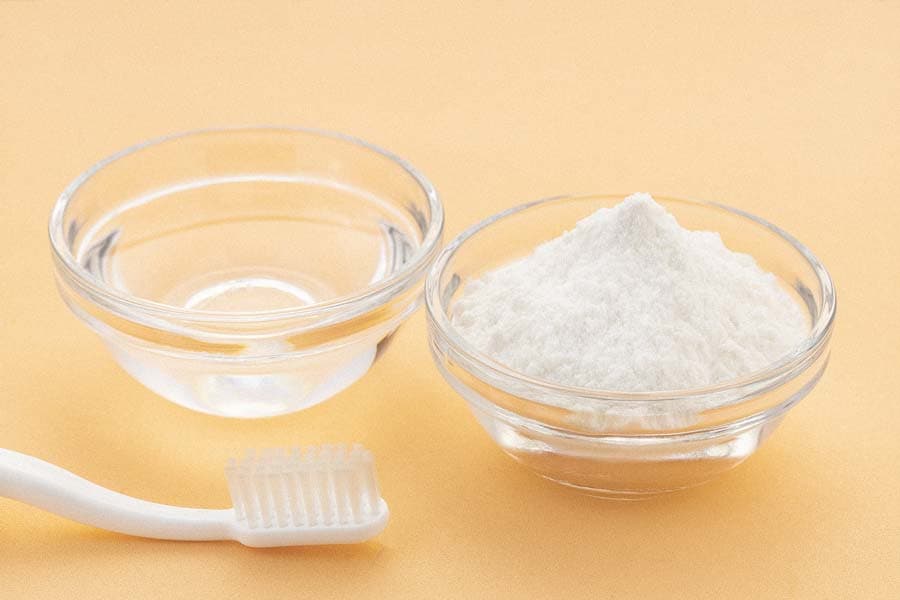
Baking soda and white vinegar mixtures are versatile household cleaning tools, Chen said.
1. Baking Soda Water: Make with 1 part baking soda and 20 parts water. This solution is suitable for daily kitchen cleaning, such as walls, gas stoves, range hoods, and dining tables.
2. White Vinegar Water: Dilute 1 part white vinegar with 10 parts water. It is particularly effective at removing limescale and can be applied to toilet faucets, bathroom mirrors, and windows.
Chao uses baking soda to clean thermos cups, with excellent results.
Avoid artificially added fragrances when purchasing cleaning agents, Chao said. Studies show that fragrance-bearing laundry and cleaning products are a significant source of indoor air pollution, releasing volatile organic compounds or VOCs such as terpenes that can form secondary pollutants, including ultrafine particles, which may cause allergies and respiratory symptoms.