Fatigue, forgetfulness, and mood swings are often dismissed as part of aging—but they may signal something deeper. Emerging research and clinical insights suggest that “silent” brain inflammation could be quietly driving cognitive decline, long before disease appears.
In a recent episode of NTD’s “Health 1+1,” a sister outlet of The Epoch Times, internist Dr. Jeng Yuan Yu highlighted how this often-overlooked process affects the brain—and how simple dietary and lifestyle shifts may help protect cognitive function and preserve mental clarity over time.
Invisible Brain Inflammation Poses High Risk
The inflammation that most people are familiar with is redness, swelling, heat, and pain, such as a sore throat or joint inflammation. However, Jeng said that brain inflammation often does not cause obvious pain but can gradually damage nerve cells through long-term chronic reactions.
Chronic inflammation is a necessary mechanism for the body to clear metabolic waste, aging cells, and foreign toxins, much like a city’s waste disposal system, Jeng said. However, when the workload becomes excessive or the immune system tips toward imbalance, the inflammatory response can get out of control, becoming a contributing factor to degenerative diseases.
Studies on early-stage Alzheimer’s patients show that most patients have detectable activation of brain immune cells, indicating a close relationship between neuroinflammation and Alzheimer’s disease.
Symptoms of brain inflammation include poor concentration, fatigue, mood swings, irritability, and forgetfulness. It is important to note that currently, no single blood test or imaging examination can directly diagnose “chronic brain inflammation.” Clinically, systemic inflammatory markers, such as high-sensitivity C-reactive protein, are often used as indirect references, while excluding equally likely factors such as thyroid disease, sleep apnea, and mood disorders.
The 3 Musketeers of Brain-Boosting Foods
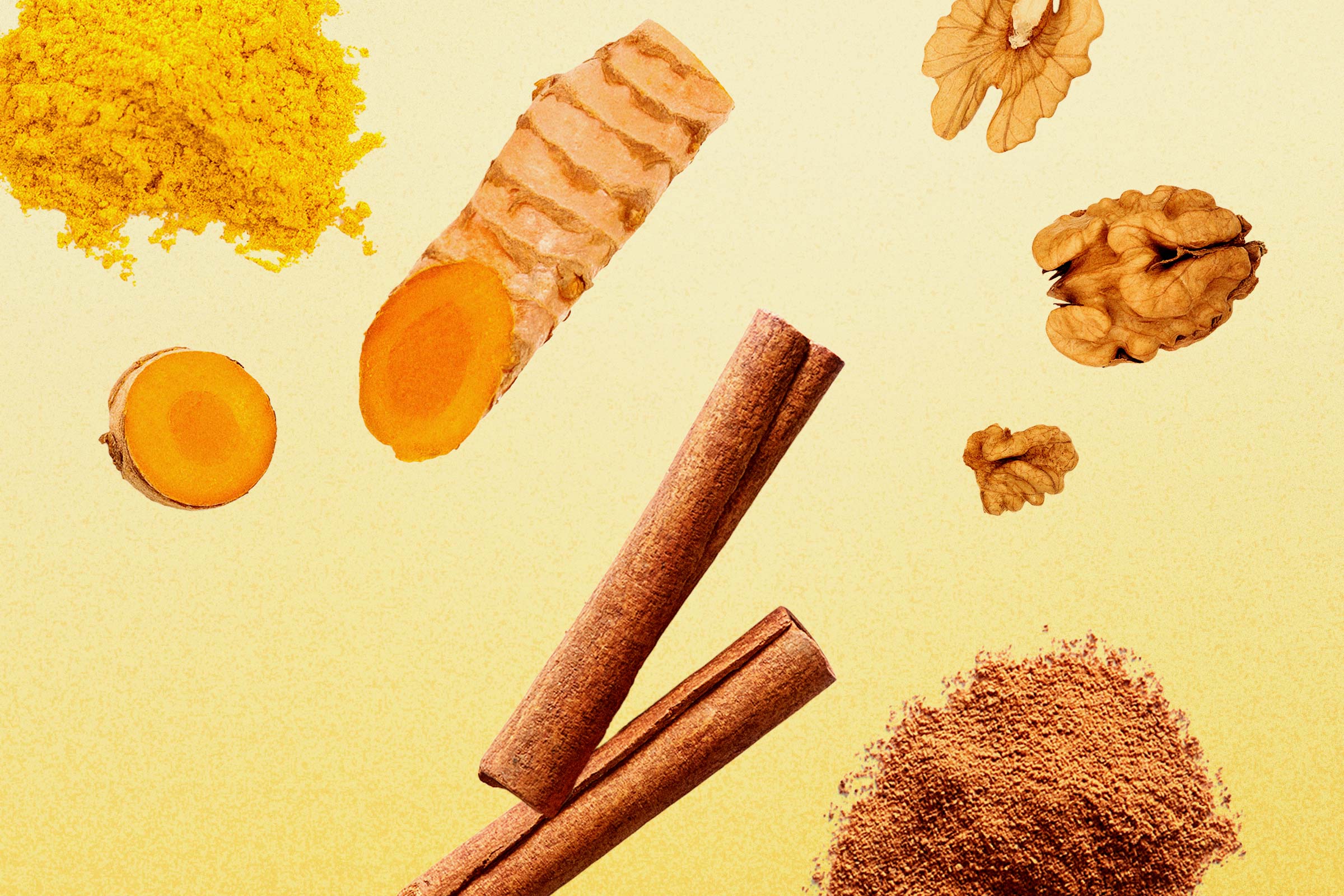
Diet is a key weapon in combating brain inflammation, and turmeric, walnuts, and cinnamon are three highly regarded brain-boosting foods, Jeng said.
Curcumin
Studies have found that long-term curcumin supplementation may improve memory performance in middle-aged and older people. Jeng suggests using turmeric as a daily spice in cooking, reducing sugar and salt intake to enhance flavor and increase its antioxidant capacity.
The European Food Safety Authority recommends that the daily intake of curcumin for adults should be limited to 3 mg per kilogram of body weight. However, Jeng said that people with gallstones need to be especially careful with dosage, as curcumin can stimulate gallbladder contraction and promote bile excretion, which may lead to biliary colic or worsen symptoms related to bile duct obstruction.
Walnuts
Walnuts are often called the “brain-shaped nuts,” and their brain-boosting benefits come not only from their rich nutritional content but also from their close relationship with the “
gut-brain axis.” Long-term poor diet or stress can lead to gut microbiota imbalance, increasing endotoxins produced by harmful bacteria, which in turn amplifies neuroinflammation through the gut-brain axis, accelerating cognitive decline.
Walnuts can play a beneficial regulatory role: Studies have shown that regular walnut consumption can improve gut microbiota composition, increase the proportion of beneficial bacteria (such as lactobacilli and rumenococci), and reduce harmful bacteria and their endotoxins. These changes help reduce systemic inflammation caused by increased intestinal permeability and indirectly support cognitive function by protecting the brain through the gut-brain axis, Jeng said.
Walnuts are rich in a balanced ratio of omega-3 (mainly alpha-linolenic acid) and omega-6 unsaturated fatty acids. Furthermore, the polyphenolic antioxidants in walnuts can reduce oxidative stress and inflammation. Multiple studies have confirmed that long-term daily consumption of about 0.5 ounces of walnuts (approximately three full pieces) can improve cognitive function and memory.
Eating too many nuts often easily leads to dry mouth, mouth ulcers, or acne, which traditional Chinese medicine (TCM) refers to as symptoms of “internal heat,” Jeng said. Walnuts, on the other hand, with their balanced fatty acid ratio, are less likely to cause this problem. However, it is still important to note that people with poor kidney function should not eat too many walnuts, as they are rich in protein, potassium, and phosphorus, where excessive consumption can increase the burden on the kidneys.
Cinnamon
Cinnamon not only enhances the flavor of food, but its rich polyphenolic compounds, such as cinnamaldehyde, proanthocyanidins, and flavonoids, also possess powerful antioxidant and anti-inflammatory properties.
A systematic review of 40 studies found that most trials confirmed that cinnamon and its active ingredients, such as cinnamaldehyde, significantly improve memory, learning ability, and overall cognitive performance, while slowing down neurodegeneration-related oxidative damage and inflammatory responses.
Most commercially available cinnamon is Chinese cinnamon (Cassia cinnamon), which has a high cinnamaldehyde content and contains coumarin. However, long-term high doses may affect liver function. In contrast, Ceylon cinnamon (true cinnamon) has extremely low coumarin content and is more suitable for daily use.
4 Core Principles for Brain Repair
Brain protection is not achieved through a single food, but through holistic lifestyle modifications, Jeng said. When we reduce the body’s chronic inflammatory burden, the brain can naturally function in a more stable environment.
He summarized four core principles for brain health:
- Adopt an Anti-Inflammatory Diet
- Stabilize Blood Sugar
- Maintain a Healthy Gut Microbiota
- Reduce Stress Hormones through regular exercise, sufficient sleep, and mindfulness practices
The Harvard School of Public Health tracked more than 105,000 people for 30 years to assess the effect of different dietary patterns on health in old age. The
results, published in 2025, showed that participants who adhered most closely to healthy eating principles had a 124 percent higher chance of remaining healthy at age 75.
The study found that a plant-based diet with moderate amounts of healthy animal products is beneficial for health in old age, especially the intake of polyunsaturated fatty acids, which helps people live past 70 and maintain good physical and cognitive function.
Conversely, those who ate more trans fats, high-sodium diets, and sugary drinks were more likely to experience cognitive and physical decline in old age.
Beyond Diet: The Role of Mind and Meaning
Jeng emphasized that protecting the brain extends beyond nutrition. Mental and emotional balance also play a critical role.
Practices such as mindfulness and meditation can help regulate stress and stabilize the mind, reducing one of the key drivers of chronic inflammation.
He also cautioned against viewing healthy eating as an act of deprivation, which can lead to cycles of overeating. Instead, he encourages a shift toward purpose-driven habits. “When people focus on maintaining their health to care for others, it becomes more sustainable,” he said.
Quoting Confucius, he added: “Follow your heart’s desires without transgressing the rules.” “When a person develops inner clarity and discipline,” Jeng said, “unhealthy choices naturally lose their appeal.”