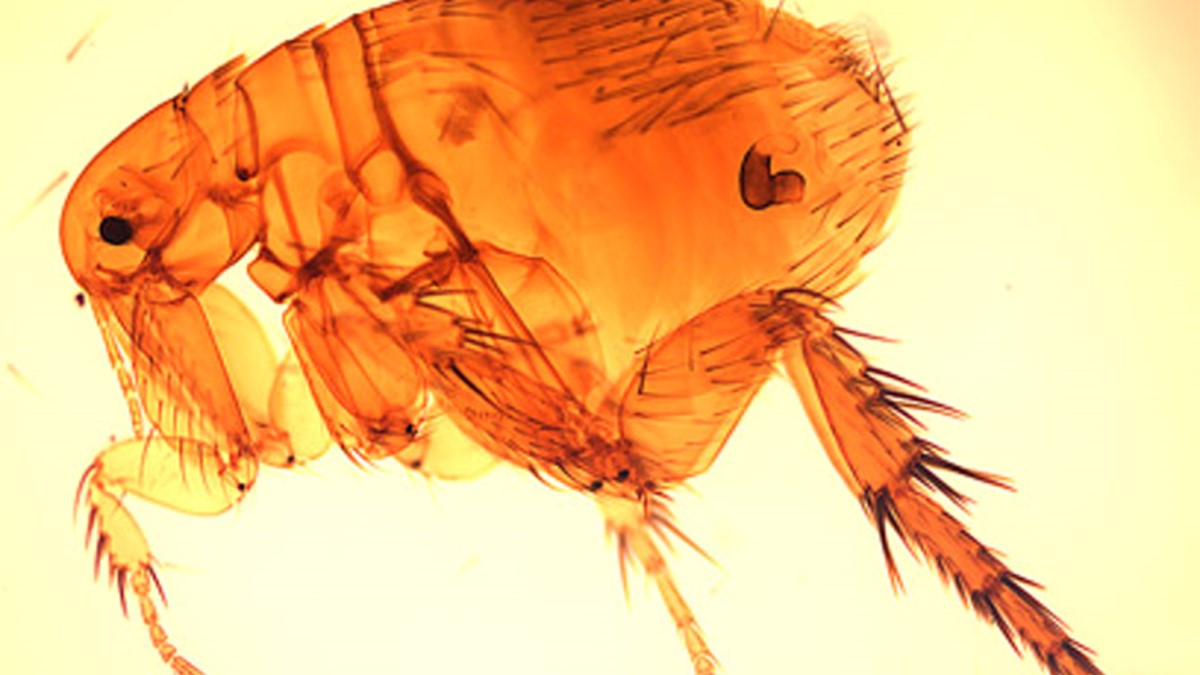
Officials in Los Angeles County have confirmed a recent surge in flea-borne typhus cases, with levels reaching all-time highs for the area.
Los Angeles County’s Department of Public Health said in a statement earlier this month that nine out of 10 people who had the typhus infection required hospitalization. At least 220 cases of typhus were identified in 2025, which the department said is the highest number recorded in the county’s history and which surpassed the 187 cases that were reported in the previous year.
How Typhus Spreads
Typhus is caused by either the Rickettsia or Orientia bacteria, transmitted to people via fleas, lice, or chiggers, according to the Cleveland Clinic. It is not considered contagious among people, but in some living conditions, lice can spread the disease from one person to another.
Within the United States, the most common form of typhus is spread through fleas that can be found on cats, rats, dogs, opossums, or raccoons.
“People are often exposed in and around their homes, when infected fleas are carried indoors on pets or other animals,” Los Angeles County officials said in a statement. “Fleas that spread typhus are commonly found on stray animals, rodents, and other wildlife such as opossums.”
In the 19th century, typhus caused devastation during the Napoleonic Wars in Europe, the Great Famine in Ireland, and later in the United States. Historians believe that it was the single largest cause of death during World War I, spreading from person to person via lice. It has sometimes been termed “war fever,” “jail fever,” or “ship fever.”
Although the two have similar-sounding names, typhus is different from typhoid fever, which is caused by the Salmonella typhi bacteria that are transmitted through contaminated water or food.
LA County Urges Vigilance
City officials said people can mitigate the spread of the bacterial illness by using flea control for pets, avoiding strays, securing trash, and blocking hiding spots and entry points to keep wildlife away.
“Flea-borne typhus can cause serious illness, but it is preventable with simple steps,” said Dr. Muntu Davis, Los Angeles County health officer, in a statement.
Noting the “all-time high” case numbers in the county, Davis said, “It’s critical that people take simple steps now, such as routinely using flea control on their pets, avoiding contact with stray animals, and preventing wildlife from living in or around their homes.”
Dr. Aiman Halai, a medical epidemiologist with the county, told ABC7 in an interview: “Don’t leave any pet food outside. Make sure the vegetation around our homes is trimmed, making sure there’s no bulky items where these animals can hide or crawl spaces where rodents can live.”
Signs and Symptoms
Flea-borne typhus infects fleas when they bite infected animals such as rats, cats, or opossums, according to the Centers for Disease Control and Prevention (CDC).
Symptoms do not usually occur immediately. It can take between three and as many as 14 days after contact with infected fleas or flea fecal matter for symptoms to develop, the agency said.
It said people can breathe in the flea fecal matter, known as flea dirt, or rub it into their eyes.
Signs and symptoms can include fever and chills, body aches and muscle pain, headache, loss of appetite, vomiting and nausea, stomach pain, a cough, and a rash that typically emerges on about day five of the illness and occurs in about half of the cases, according to the CDC.
The illness can be severe in some people, the CDC said, noting that deaths are considered rare, as fewer than 1 percent of cases are estimated to be fatal.
Treatment usually includes the commonly prescribed antibiotic doxycycline, it said. People treated with the drug generally recover quickly.
When antibiotic treatment is not given, the fever can last two to three weeks, and symptoms can become more severe.
“Almost all cases resolve completely with appropriate antibiotics,” the agency said. “If the disease is not treated promptly, some people with the disease will need to be hospitalized. The disease can cause severe illness, including death, and can cause organ damage.”
Where It Occurs
According to the CDC, flea-borne typhus can occur in sub-tropical, tropical, and temperate parts of the world, including Southeast Asia, Central and South America, the Middle East, southern Europe, and Africa, among others.
In the United States, it is most often found in California, Texas, and Hawaii.
“In the few states that report this disease, the number of reported cases has increased significantly since 2008, suggesting that flea-borne typhus may be considered a re-emerging infectious disease in certain areas of the United States,” the CDC said.