

Just as prolonged rainy weather leaves the air thick and moldy, internal dampness makes the body feel weighed down and stagnant. In TCM, this dampness reflects the buildup of unprocessed fluids, mucus, and metabolic waste that the body fails to move or eliminate, thus creating a heavy feeling. Over time, this hidden feeling can clog the body’s energy channels, slowing metabolism, dulling vitality, and hastening the signs of aging.
On Health 1+1, a program on NTD, sister outlet of The Epoch Times, Chou Tsung-Han, attending physician at Han Ming Tang Chinese Medicine Clinic in Taiwan, explained how to spot the telltale signs of internal dampness—and shared five practical, natural ways to help the body restore balance and lightness.
Signs of Excessive Dampness in the Body
How can you tell if dampness is weighing you down? Here are some telltale signs that your body may be struggling with excess moisture.
1. Tongue Observation
A thick, white, or greasy layer on your tongue may indicate excessive dampness in the body. Likewise, teeth marks along the tongue’s edges are traditionally viewed in TCM as signs of both depleted vital energy (qi) and internal damp accumulation.
2. Unusual Body Odor
A strong, musty, or sour odor from the body or breath can indicate “damp-heat,” which occurs when trapped moisture combines with internal heat or inflammation. Strong or unusual body odor is often linked to poor metabolism and inflammatory tendencies.
3. Bowel Movements
Sticky stools that cling to the toilet bowl or create a sensation of incomplete evacuation may be signs of internal dampness affecting digestive function.
4. Other Physical Symptoms
Other symptoms may include persistent fatigue, a sensation of heaviness in the body, poor concentration, joint stiffness or soreness, frequent urinary tract infections, increased vaginal discharge in women, dizziness or mental fog, and skin issues such as red rashes.
5 Natural Ways to Eliminate Dampness
Chao recommends five natural ways to eliminate dampness from your body.
1. Ensure Proper Hydration
Ironically, people with internal dampness often avoid drinking water, fearing bloating or puffiness. However, Chou said that dampness stems not from excessive water intake but from sluggish metabolism and poor fluid circulation. When hydration is insufficient, lymphatic flow and digestion slow down, which can worsen fluid retention.
To improve circulation, sip warm water frequently rather than gulping large amounts at once. Slower intake of fluids supports the spleen: the organ TCM associates with fluid transformation.
Certain beverages help eliminate dampness, such as corn silk tea, which promotes urination and detoxification; mung bean water, which cools internal heat and clears toxins; and adzuki bean water, which enhances lymphatic drainage and metabolism.
2. Incorporate Dampness-Reducing Foods
Certain foods possess natural dampness-reducing properties. For example, gourd vegetables—such as winter melon and bitter melon—and fruits such as watermelon possess diuretic effects that help the body eliminate excess fluid.
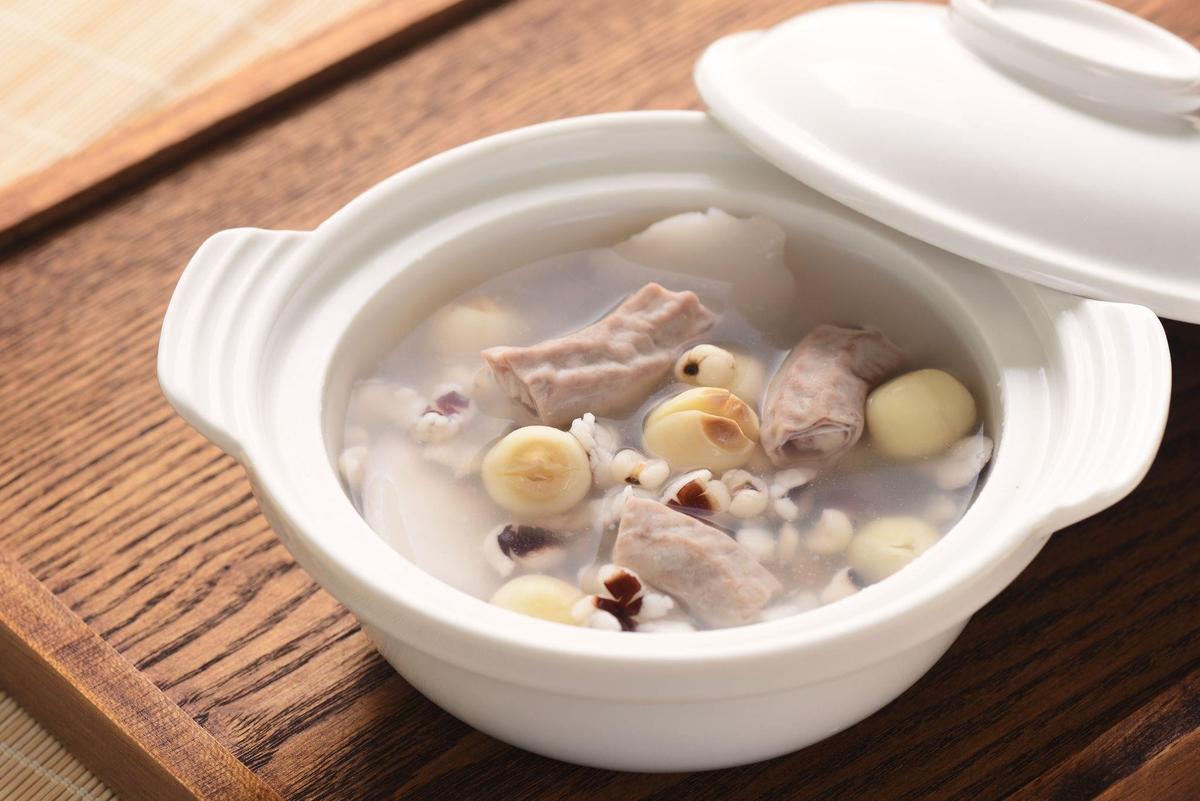
One of TCM’s most famous tonics for dispelling dampness is the Four Herbs Soup (Si Shen Tang)—a nourishing blend of Chinese yam, fox nut (euryale seed), lotus seed, and poria stewed with pork stomach.
According to legend, Emperor Qianlong’s four ministers once fell ill during his southern tour. Following a wise man’s advice, they prepared the soup, which restored their strength, earning it the name “Four Ministers Soup,” later evolving into “Four Herbs Soup” for its near-miraculous restorative power.
These ingredients help regulate digestive function and improve nutrient absorption, thereby supporting the elimination of internal dampness.
Modern studies reveal that fox nuts contain antioxidants that protect cells from oxidative stress and prevent dampness linked to sluggish metabolism, while poria’s polysaccharides and triterpenoids support immune and metabolic function—helping the body drain excess moisture and restore vitality.
Note: While some of these ingredients may be unfamiliar, they are readily available in Asian supermarkets or online herbal and natural health stores.
3. Stimulating Key Acupoints
Excess dampness is often accompanied by edema, particularly in the face, which can contribute to a tired, aged appearance. Stimulating specific acupoints on the face and head through massage can help promote lymphatic circulation and alleviate swelling.
- Face: After applying massage oil or lotion, use your fingertips or knuckles to gently massage the facial muscles in upward and outward motions. This technique helps relax the fascia and enhance facial contours. Key movements include lifting strokes beneath the cheekbones and using clenched fists to massage the masseter muscles (chewing muscles).
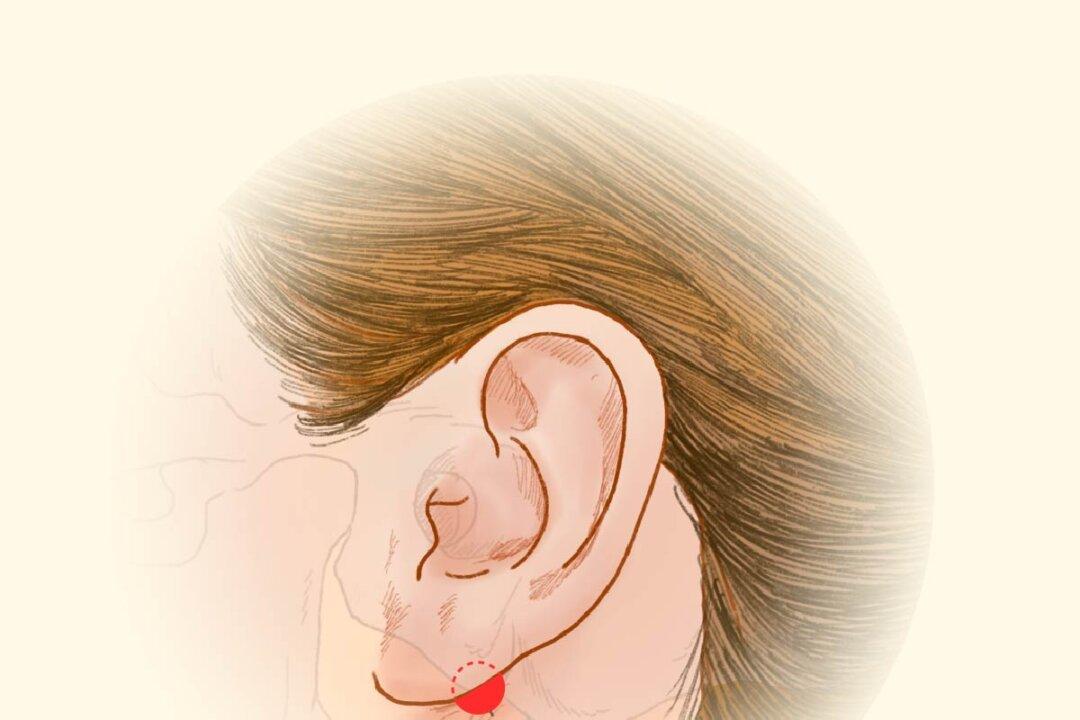
- Behind the Ears: Massaging the windscreen (Yifeng) acupoint, located just behind the earlobe, can effectively stimulate lymphatic circulation in the face, contributing to a slimming effect.
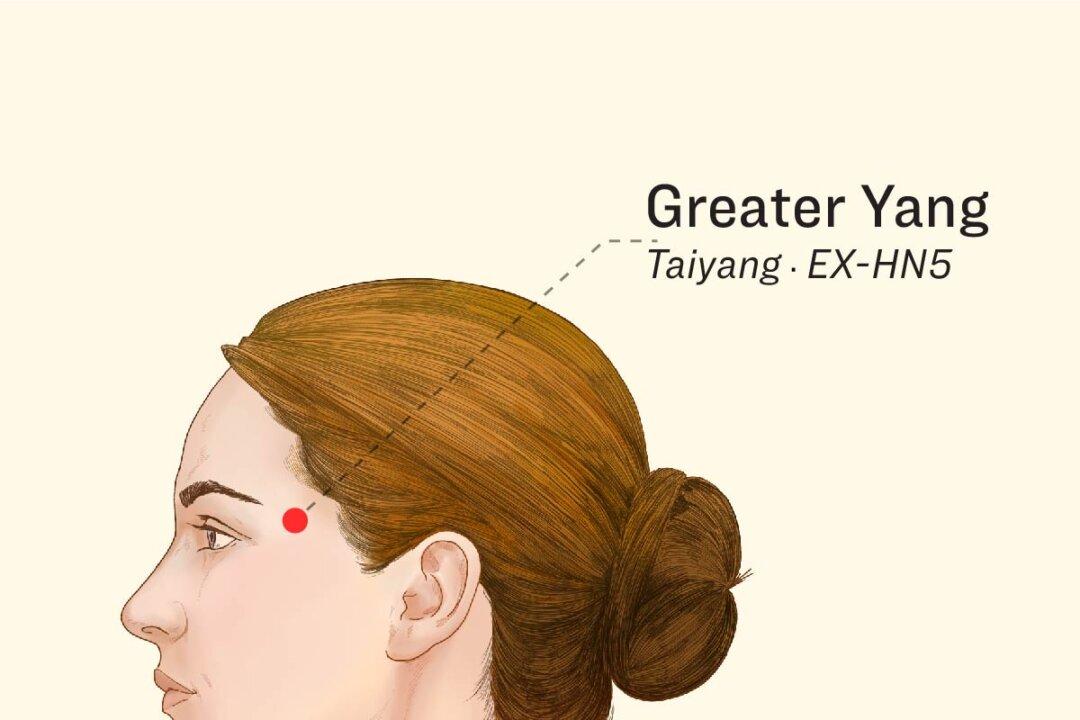
- Eye Area: When massaging around the eyes, avoid pulling or stretching the delicate skin. Instead, use your fingertips to gently press along the lower edge of the brow bone, the eye socket, and the Greater Yang (Taiyang) acupoint. This can help reduce puffiness and minimize the appearance of fine lines.
4. Sweat It Out
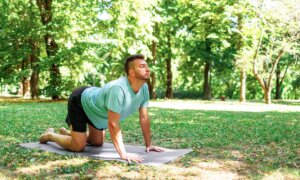
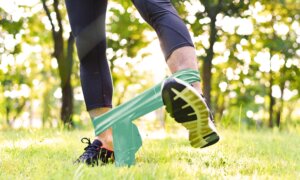
Sweating is one of the most direct and effective ways to eliminate dampness. However, this does not refer to excessive perspiration caused by hot weather, but rather the controlled sweating that results from intentional physical activity.
5. Keep Your Living Space Dry
Environmental dampness can have a direct impact on the body. During humid or rainy seasons, it is crucial to maintain a well-ventilated and dry home environment. Chou recommends using a dehumidifier to reduce indoor humidity and eliminating stagnant water in potted plants, which can contribute to excess moisture.