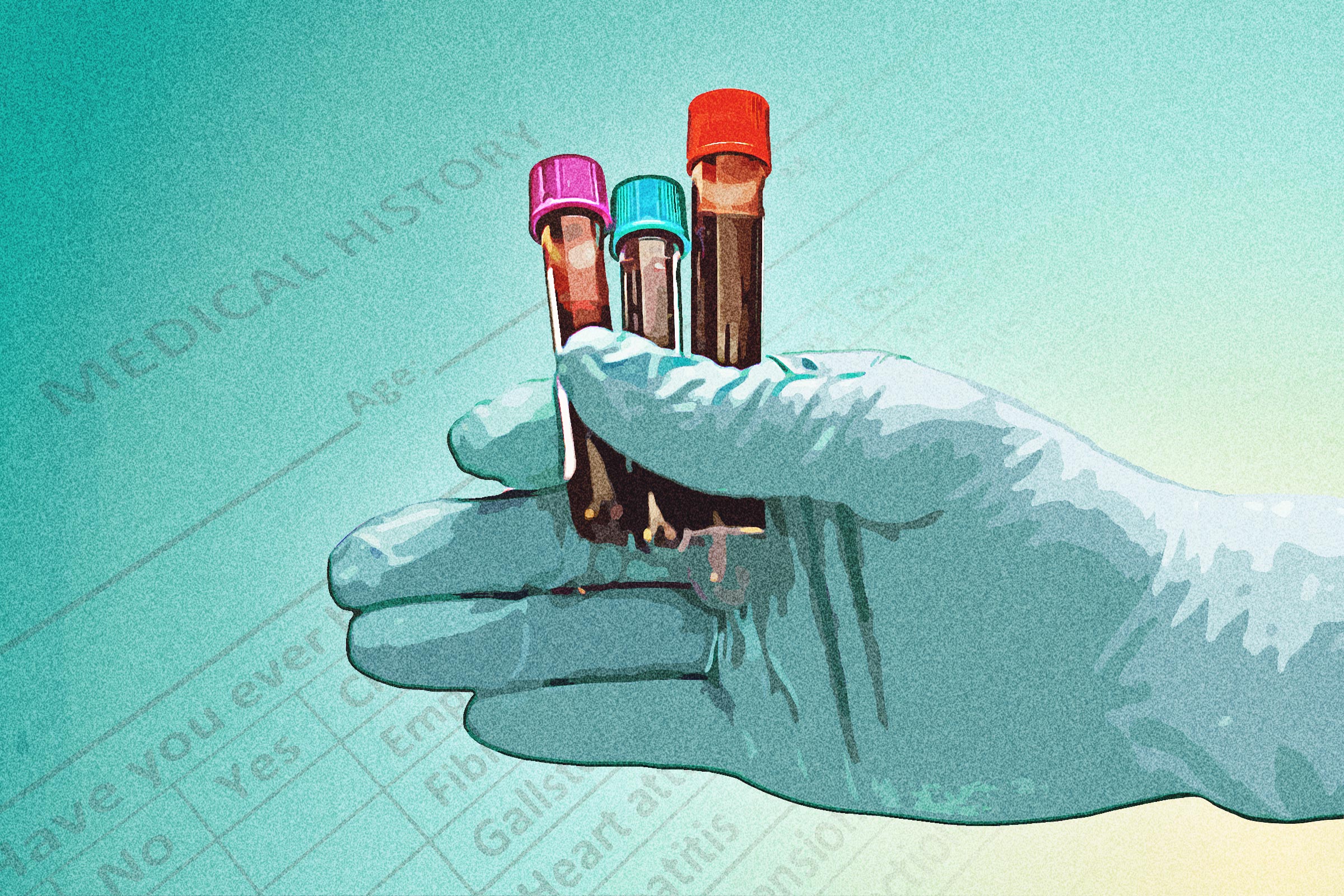


A 50-year-old man felt completely healthy—no chest pain, no fatigue, no warning signs. So when his routine health checkup revealed an LDL cholesterol level of 231 milligrams per deciliter (mg/dL), nearly double the recommended limit, he brushed it aside. After all, he felt fine.
However, the numbers told a different story. Reviewing the man’s past reports, Peng-Tzu Liu, deputy director of the Health Management Center at Taiwan’s Shin Kong Wu Ho-Su Memorial Hospital, noticed a steady upward climb: 187 mg/dL in 2022, 191 mg/dL in 2023, and now 231 mg/dL. According to the American Heart Association, healthy adults should keep LDL below 100 mg/dL, while those with cardiovascular disease should aim for 70 mg/dL or lower.
“Had he continued ignoring his results, by around 2030 his cardiovascular system could already be severely damaged,” Liu said on NTD’s “Health 1+1” program, a sister media outlet of The Epoch Times. In other words, a heart attack or stroke waiting to happen—despite feeling perfectly well.
This case, along with others Liu has seen, underscores a critical truth: serious diseases often develop silently, and ignoring abnormal results from a health checkup can allow dangerous conditions to worsen unnoticed.
Sudden Weight Loss–and a Hidden Blood Sugar Crisis
A 60-year-old woman had a similar experience, though in her case the warning sign was more obvious: she suddenly lost 15 pounds in three months. She assumed it was unintentional weight loss and chose to wait until her upcoming annual exam.
Her health report told a more alarming story. Her fasting blood glucose had surged to 279 mg/dL (normal is below 99 mg/dL), and her HbA1c reached 11.6 percent (normal is below 5.7 percent), indicating dangerously uncontrolled diabetes requiring immediate insulin therapy.
Rapid weight loss is not a sign of healthy metabolism, Liu said. When blood sugar remains excessively high, the body cannot use glucose properly; instead, sugar spills into urine, leading to dehydration and unhealthy weight loss.
Her checkup trend chart showed that since 2019, both her blood glucose and HbA1c levels had been steadily rising. However, she had never taken medication consistently, relying instead on exercise and dietary adjustments.
By the time clear symptoms appeared, the damage had already accumulated. After years of unchecked inflammation and elevated sugar levels, insulin could help stabilize her condition, but could no longer fully reverse it.
This case demonstrates that symptoms often appear only when a condition has reached an advanced stage. Liu noted that had the patient begun medication seven years earlier—when her health report first showed warning signs—she likely could have avoided the sharp spike in blood sugar, the rapid weight loss, and the increased risk of long-term complications.
When clear physical abnormalities—such as sudden or unexplained weight loss—occur, Liu urges patients to seek medical attention immediately rather than waiting for the next annual checkup. Those who are uncertain where to start can visit a family medicine or general practice clinic for an initial evaluation and further referral.
Liu said that both cases occurred just a week before his interview, illustrating how often people overlook their test results after a health checkup.
Why Symptoms Cannot Be Trusted
Both cases highlight a dangerous misconception: the absence of symptoms does not mean the absence of disease. Conditions such as diabetes, high cholesterol, and hypertension often progress quietly for years, causing long-term damage long before patients begin to feel unwell.
For this reason, Liu stresses that health checkups should never be treated as mere formalities—or worse, reports to file away and forget. A checkup is the beginning of preventive care, not the end. Taking action after receiving the report is the most important step in protecting long-term health.
4 Follow-Up Actions After Receiving a Health Report
If your report shows multiple abnormal results, do not panic—or worse, set it aside and forget about it.
1. Consult a Family Physician
Having a trusted and qualified family physician is crucial for ongoing health management. Many people are unfamiliar with how to interpret their health checkup reports.
2. Seek Timely Referrals When Necessary
Health care providers take patients’ emotional comfort into account and often offer flexible referral options, Liu said.
3. Select Health Screening Items Based on Personal Risk Factors
Health screening items should be selected based on family history and individual risk factors to enable more targeted disease detection. Liu recommended discussing options with a family physician or medical staff at the screening center before the checkup, rather than simply selecting the cheapest or most basic package.
4. Maintain or Adjust Your Lifestyle Habits
Health checkup results reflect only your current physical condition—but maintaining good health is an ongoing process.
The True Purpose of a Health Checkup
A health checkup is not a certificate of safety. It is an early warning system designed to detect silent health problems—often years before symptoms appear. Its value lies not in the report itself but in what you do afterward: consulting professionals, adjusting habits, and acting before disease becomes irreversible.
“Preventive medicine begins after you receive the report,” Liu said. “The goal is to transform those numbers into a personalized plan that protects your future health.”