Long hours in front of screens can leave your eyes dry, strained, and prematurely aging—but the damage often begins long before symptoms appear. In a recent episode of “Health 1+1” on NTD, a sister outlet of The Epoch Times, Hsin Chung-yi, a traditional Chinese medicine practitioner, shared how he approaches eye health from the inside out—combining herbal remedies, self-message, and simple daily habits to help protect vision.
A Different Way to Understand Eye Health
Hsin explained that while Western medicine often focuses on structural treatment—such as correcting vision or replacing damaged lenses—traditional Chinese medicine (TCM) emphasizes prevention and whole-body balance.
Astragalus is the dried root of a legume, and a commonly used tonic for replenishing qi (vital energy), and is excellent at nourishing life energy. Regarding eye care, research shows that astragalus polysaccharides can prevent and treat retinopathy. Other studies have also found that astragaloside A can lower intraocular pressure and improve glaucoma.
Dendrobium is the stem of a plant belonging to the orchid family, which can nourish yin (replenish body fluids), benefit the kidneys, and nourish the liver. TCM believes that insufficient liver and kidney energy can lead to nourishment deficiency of the eyes, making them prone to dryness and blurred vision. Therefore, Dendrobium is particularly beneficial for treating dry eye syndrome.
Eye-Refreshing Tea
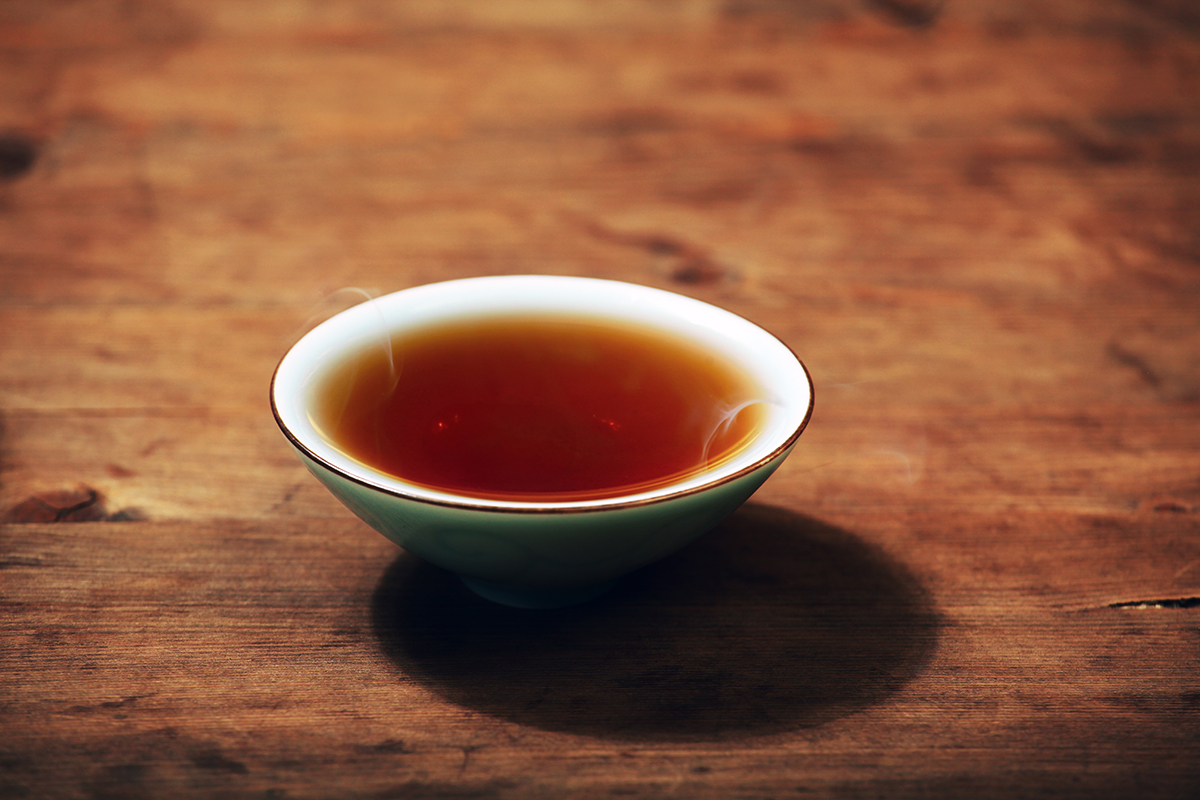
Astragalus and Dendrobium are frequently included in TCM prescriptions and can also be used in dietary therapy. Hsin recommends a simple tea: Eye-Refreshing Tea. In addition to the two herbs mentioned above, common eye-protecting ingredients such as goji berries and chrysanthemums are also added.
Goji berries are rich in carotenoids, vitamins C and E, and other antioxidants, while
chrysanthemums have a protective effect on the retina.
Ingredients
- 0.4 ounce goji berries
- 0.2 ounce chrysanthemums
- 0.1 ounce Dendrobium
- 2 slices Astragalus
- 3 to 4 cups water
Preparation
- Rinse all ingredients briefly under clean water.
- Add the ingredients and water to a pot and bring to a gentle boil.
- Reduce heat and simmer for 15 to 20 minutes.
- Turn off the heat, cover, and let steep for an additional 20 to 30 minutes.
- Strain and drink warm. The tea can be taken once daily.
Caution: Not suitable for drinking during colds or fevers. Pregnant women and women during menstruation should use with caution.
Variations: Postpartum women or menopausal women often experience blurred vision or eye pain due to qi and blood deficiency. Dried longan and red dates can be added.
For high stress, red eyes, high intraocular pressure, or accompanying constipation, it is recommended to add cassia seeds and prunella vulgaris.
Hsin also suggested an eye-protecting medicinal porridge, suitable for those suffering from eye fatigue due to excessive eye use. It can protect the liver and kidneys and strengthen the spleen and stomach, thus providing ample nourishment to the eyes.
Eye-Protecting Herbal Porridge
For those experiencing eye strain from heavy screen use, Hsin recommends a gentle, nourishing porridge designed to support digestion and replenish energy—functions that TCM associates with eye health.
Ingredients
- 0.1 to 0.2 ounces each: astragalus (sliced), goji berries, mulberries, and fresh Chinese yams (peeled and cut into small pieces)
- 4 red dates (pitted)
- 1 cup japonica rice
- 6 to 8 cups water
Preparation
- Rinse all ingredients thoroughly under clean water.
- Add astragalus to a pot with 6 to 8 cups of water.
- Bring to a boil, then reduce heat and simmer for 20 to 30 minutes to extract its active compounds.
- Strain out and discard the astragalus slices, retaining the herbal broth.
- Add goji berries, mulberries, Chinese yam, red dates, and rice to the broth.
- Bring to a boil again, then reduce to low heat and simmer for 30 to 40 minutes, stirring occasionally, until the rice breaks down into a soft porridge consistency.
- Serve warm.
How to Use
- Best eaten for breakfast
- Recommended two to three times per week
Acupuncture and the Whole-Body Approach
Regarding the differences between Western and TCM treatments for eye diseases, Hsin said, Western medicine excels at “structural treatment,” such as cataract surgery to replace the lens, while TCM emphasizes “holistic environmental regulation” and “prevention of disease.”
For example, in treating dry eye syndrome, Western medicine often prescribes artificial tear drops, but long-term use may lead to insufficient natural tear production due to the body’s feedback mechanism. TCM, on the other hand, addresses eye dryness by regulating the body’s constitution and restoring the function of the lacrimal glands and meibomian glands.
From a TCM perspective, eye health reflects the function of internal organs, especially the liver, and blood circulation. The classic TCM text, “Huangdi Neijing,” states that “the liver opens into the eyes,” meaning the liver’s health can be seen in the eyes.
As for TCM treatment approaches, in addition to herbal medicine, acupuncture is also applied. TCM has unique advantages in treating optic nerve regeneration and pseudomyopia, Hsin said. Through acupuncture at appropriate eye-related acupoints, many children with amblyopia have shown significant improvement within months.
Even a 78-year-old grandmother who could not open her eyes due to an injury recovered her vision after two months of acupuncture treatment. For teenagers with pseudomyopia of 150 to 250 degrees, acupuncture is often more effective than mydriatic eye drops.
Besides consulting a doctor for acupuncture, daily self-massage of acupoints around the eyes also has excellent eye-protecting effects.
Poor habits—such as using phones in the dark or maintaining poor posture—can harm eye health. In contrast, healthy practices such as regular eye breaks, adequate sleep, a nutrient-rich diet, and emotional balance can support eye function and help reduce strain.
“In eye care, 30 percent depends on the doctor, and 70 percent depends on yourself,” Hsin said.