

3 Types of Heartbeat Abnormalities
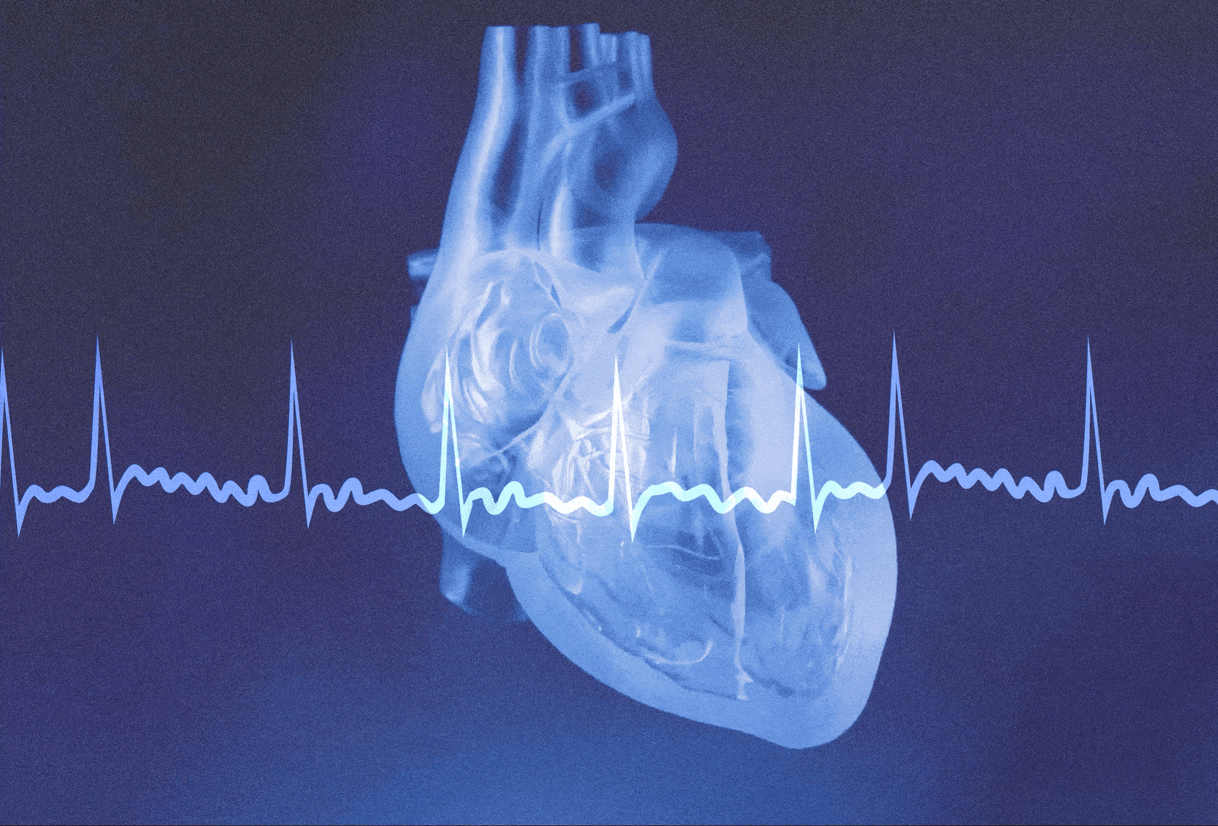
The heartbeat is the rhythm of life. The human heart beats approximately 100,000 times a day, pumping blood throughout the body. Under normal circumstances, we hardly feel the heartbeat. However, when there is an abnormality, the body often sends different signals, Liu said.
1. Persistent Abnormal Beating
Patients may report that their heartbeat is “constantly fast all day” or “beats for a few minutes and then stops.” Doctors usually diagnose arrhythmia for this type of symptom. Arrhythmia refers to irregular heartbeats, including rapid or slow rhythms or palpitations.
2. Transient Irregular Beats
Some patients experience symptoms that show up not continuously, but rather as a sudden “one or two beats, and then it’s gone,” or a feeling of being “hit” in the chest before it disappears. These single or consecutive abnormal two to three beats are medically termed “premature beats.” Although they are brief, if they occur while driving or exercising, they can cause momentary disorientation and pose a potential danger.
3. Atypical Symptoms
Some patients may describe the sensations as “tightness,” “weirdness,” or “slight shortness of breath,” or family members may notice that an older person’s complexion has recently changed. These seemingly unrelated signs may stem from a heart rhythm disorder, affecting overall heart function.
Causes of Irregular Heartbeats
The pericardium and pericardial fluid surrounding the heart help lubricate it, reduce friction during pulsations, and protect it from impact. They act like a shock absorber, isolating the impact of the heartbeat, so under normal circumstances, we can barely feel our heart beating.
1. External Environmental and Physiological Factors
These are temporary stimuli and can usually be improved by adjusting lifestyle.
- Emotional Factors: Heart rate increases when you’re feeling tense and decreases when you’re relaxed.
- Lifestyle and Health Conditions: Insufficient sleep, fever, diarrhea, and other physical discomforts can all increase heart rate.
- Physical Environment: Sudden temperature changes can affect heart rate.
- Dietary Stimuli: Drinking too much coffee or strong tea or eating spicy foods may trigger irregular heartbeats.
2. Abnormalities in the Cardiac Rhythm System
The heart has a sophisticated rhythm system that controls the regularity of the heartbeat, Liu said. When this system malfunctions, the heart may suddenly beat erratically. Such problems require professional diagnosis and treatment.
How Fast Is Considered Abnormal?
What is the standard for a “fast” heartbeat?
The 2 Most Deadly Arrhythmias
A racing heart might feel like a pending stroke or cardiac arrest. Although most arrhythmias are benign, malignant arrhythmias are a major cause of sudden death—and should be taken seriously, Liu said. In particular, the following two types require close attention:
3 Key Indicators for Seeking Medical Attention
With irregular heartbeats, Liu recommends seeking medical attention immediately if any of the following occur:
A 3-Step Approach to Self-Help During a Palpitation Attack
When palpitation strikes, what should we do to help ourselves? According to Liu, the following steps may help stabilize your heartbeat and alleviate immediate danger.
1. Sit or Lie Down Immediately
During a palpitation, the heart’s output function declines, which may affect blood circulation and easily lead to dizziness and unsteadiness. Immediately stop all activity and sit or lie down to avoid falling and injuring yourself because of loss of consciousness.
2. Slow Your Breathing
Maintain steady, gentle breathing. Avoid rapid breathing, as this can trigger hyperventilation syndrome, further disrupting the nervous system and worsening the condition.
3. Stimulate the Parasympathetic Nervous System
Drink a glass of water or swallow saliva, which may help restore the balance of the autonomic nervous system, potentially stabilizing your heartbeat. Alternatively, you can gently inhale, then hold your breath for a few seconds, which also helps to activate the parasympathetic nervous system. However, stop immediately if you feel dizzy.
Guidelines for Self-Recording During an Attack
Record the following information to help your doctor make the most accurate diagnosis:
1. Time and Context of the Attack
Write down the exact time of the attack and how long it lasted. It is also crucial to meticulously record what you were doing at that time—e.g., if you were resting, had just finished eating, or were exercising—and what you had eaten or drunk. These essential details help doctors determine the likely trigger. Liu recommends immediately recording this information using a mobile phone or pen and paper.
2. Heart Rate Measurements
Tracking your heart rate during an episode can provide valuable insight into what your heart is doing in real time and help guide an accurate diagnosis.
Use a Device: A blood pressure monitor, smartwatch, or pulse oximeter can help measure and record your heart rate.
Manual Measurement: If no devices are available to record your details, gently place your fingers on your neck or wrist to check your pulse.
Some smartwatches and wearable devices can record a simple electrocardiogram. However, factors such as physical activity and poor device contact can cause inaccurate data recording, Liu said. Therefore, it is essential to ensure that the device is firmly pressed against dry skin while at rest to obtain more-reliable readings.