
The Chinese Communist Party (CCP) has promoted a military leader to its governing Politburo, filling a vacancy created by unprecedented waves of purges ahead of next year’s leadership reshuffle.
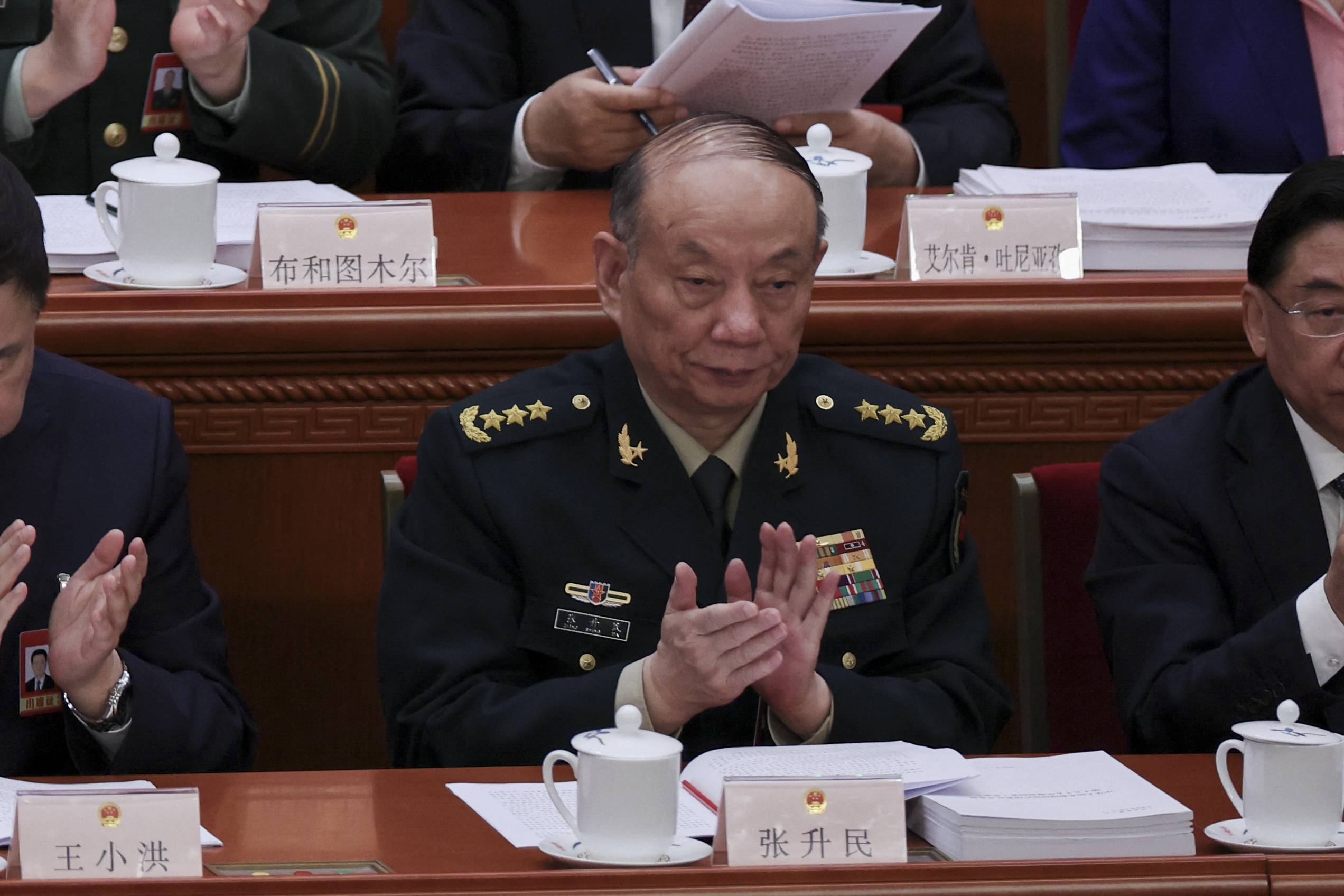
Zhang Shengmin, vice-chair of the Central Military Commission (CMC), was named a member of the Politburo—the CCP’s second-most powerful body—at the fifth plenum of the Party’s larger Central Committee, according to an official readout released via Xinhua on Oct. 29.
The decision, approved after four days of closed-door meetings in Beijing, aligns with the convention that the two vice chairmen of the CMC, the military’s top decision-making body, are members of the Party’s leadership.
But the CCP has not added a member to the Politburo at a midterm plenum in more than three decades. The last such appointment was in September 1994, when Huang Ju joined the elite body at the fourth plenum to fill the vacancy left by Huang Shaowen’s death.
China has been embroiled in widening purges that have hollowed out the leadership of every branch of the People’s Liberation Army. At the CMC, five of the six military leaders have been purged. Apart from Chinese leader Xi Jinping, the only surviving general is Zhang, a veteran political commissar enforcing the political cleansing in the armed forces.
Amid the widening purges, which have raised questions about the leadership’s stability, the regime has become increasingly secretive, often delaying or avoiding public purges of high-ranking military officials.
This week’s plenum offered a rare glimpse into the scale of the political cleansing. The official readout released via Xinhua said only 162 Central Committee members and 117 alternate members turned up. The 74 percent attendance rate was worse than analysts at the Asia Society Policy Institute had forecast and marked the lowest level since the Mao Zedong era.
The official readout gave no reason for the absences. Nor did it identify those who didn’t show up.
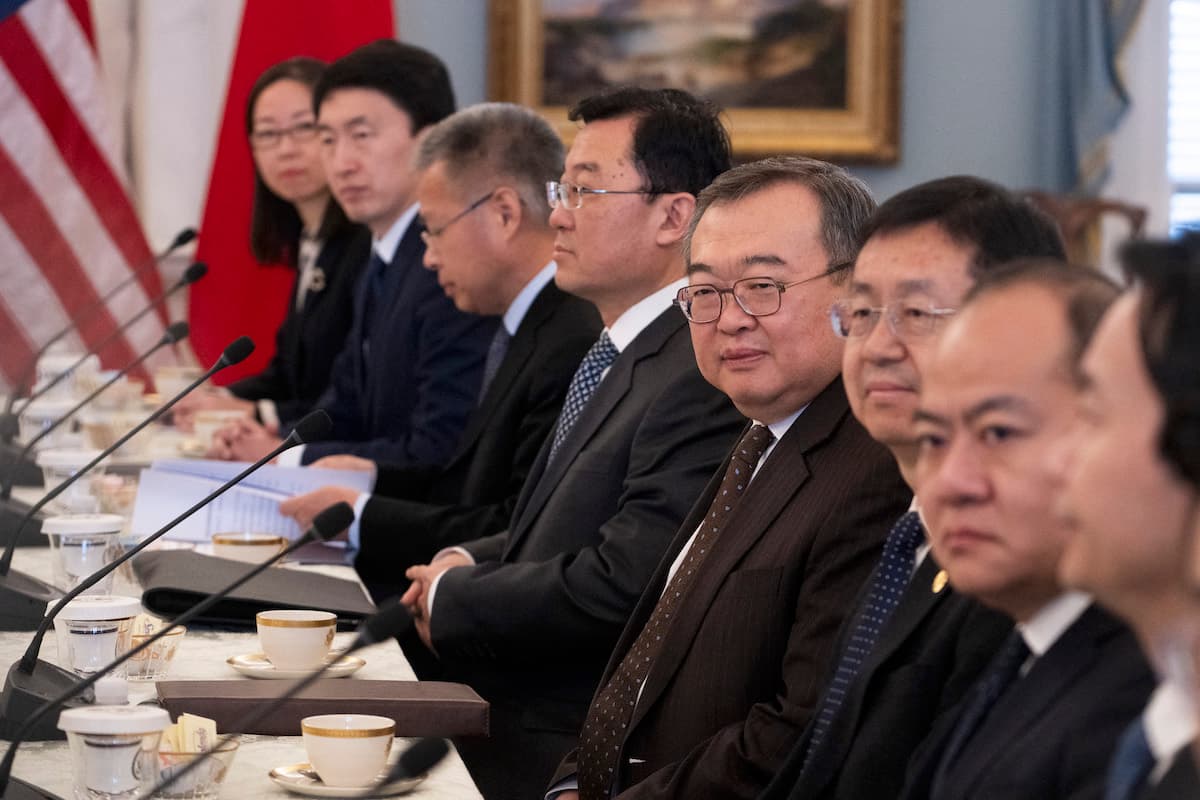
Chinese International Liaison Department Minister Liu Jianchao (4th R) meets with U.S. Secretary of State Antony Blinken at the State Department in Washington on Jan. 12, 2024. (Roberto Schmidt/AFP via Getty Images)
Beijing on Oct. 29 disclosed for the first time that Liu Jianchao, director of the Party’s International Department, was investigated for serious violations of discipline and law.
The announcement came more than a year after Liu’s name vanished from the leadership page of the International Department’s official website in September 2025.
It remains unclear when the senior diplomat was caught up in the anti-graft campaign. His last public appearance was in July 2025, when he met with officials in Algeria, according to the International Department’s website.
Liu, 62, was widely seen as a possible successor to Foreign Minister Wang Yi, 73, who is likely to retire at the next Party Congress.