
California could lose 17 percent of its oil refinery capacity over the next 12 months because of two scheduled refinery closures, the Energy Information Administration (EIA) said in a July 9 statement.
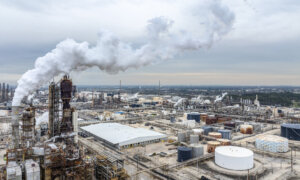
In October 2024, energy company Phillips 66 announced plans to shut down its Wilmington refinery in the Los Angeles area by the fourth quarter of 2025. The facility processes 139,000 barrels of oil per day.
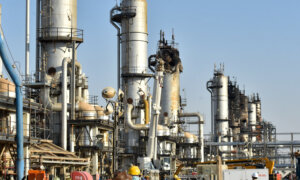
In April, Valero Energy Corp. stated that it would cease operations at the Benicia refinery in the Bay Area, which processes 145,000 barrels per day, by April 2026.
Closure of the facilities could lead to “increases in fuel price volatility on the West Coast,” EIA said, highlighting that California “usually has higher retail gasoline prices compared with the national average.”
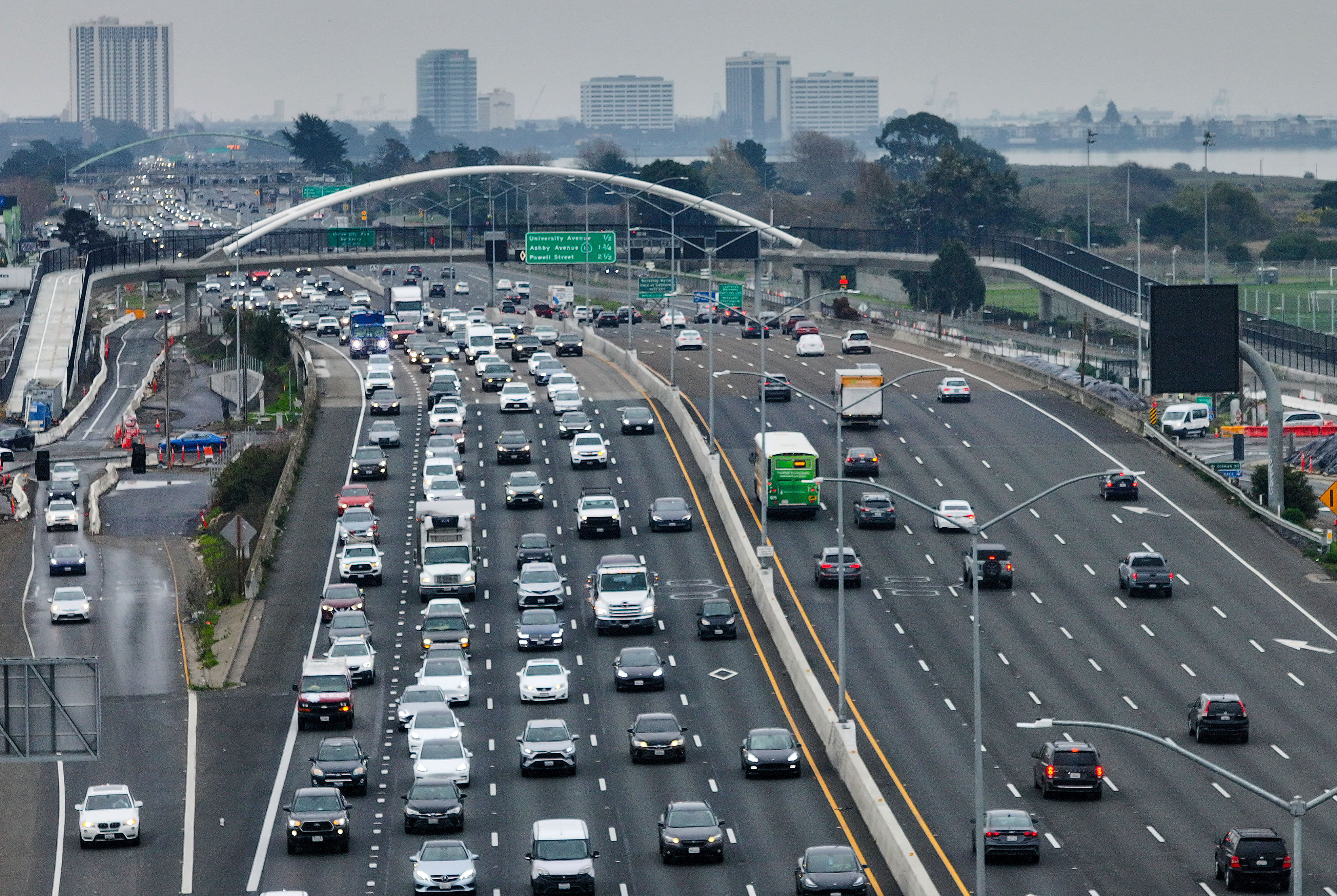
According to data from the American Automobile Association, the average price of regular gasoline was $4.53 per gallon in California as of July 10, the highest among all 50 states and almost 43 percent above the national average price of $3.17 per gallon. Mississippi had the lowest price at $2.71 per gallon.
In a May 30 commentary, Vance Ginn, president of Ginn Economic Consulting, called California’s high gasoline prices a “man-made problem—a case study in government failure, not market failure.”
Ginn blames decades of state taxes and what he called misguided climate mandates and regulatory overreach for distorting California’s gasoline market. He pointed out that regulatory costs and taxes alone make up more than $1.30 per gallon in costs, which he said was “nearly double the national average.”
“California has the highest gas tax in the country, at $0.678 per gallon, not including additional fees and environmental surcharges,” he said.
“Add in the Cap-and-Trade program, the Low Carbon Fuel Standard (LCFS), and boutique fuel blends that are required only in California, and it becomes clear why Californians pay more.”
According to a May 5 post by the EIA, California mandates a special gasoline blend in a bid to cut down pollution and improve air quality. Such fuel is more costly to produce because of expensive blending components and processing steps involved, according to the agency.
In its July 9 statement, the EIA stated that a reason for high gasoline prices in California was the “relative lack of logistical connectivity” on the West Coast compared with other refinery hubs such as the Gulf Coast.
The supply shortfall created by the closure of the Wilmington refinery in the Los Angeles area and Valero’s Benicia refinery is likely to result in an “outsized impact” on the West Coast “because it cannot be easily filled by other refineries elsewhere in the country,” the EIA warned.
“Given the limited connectivity to other U.S. refining hubs, the most likely source of replacement fuels will be imports from Asia, particularly imports of jet fuel and gasoline,” it stated. “Phillips 66 is planning to produce some California-grade gasoline at its refinery in Washington, and some refineries in India and South Korea can meet these specifications.”
The EIA forecasts a small increase in retail gasoline prices on the West Coast next year because of capacity closures. In contrast, gasoline prices elsewhere in the country are predicted to decline.