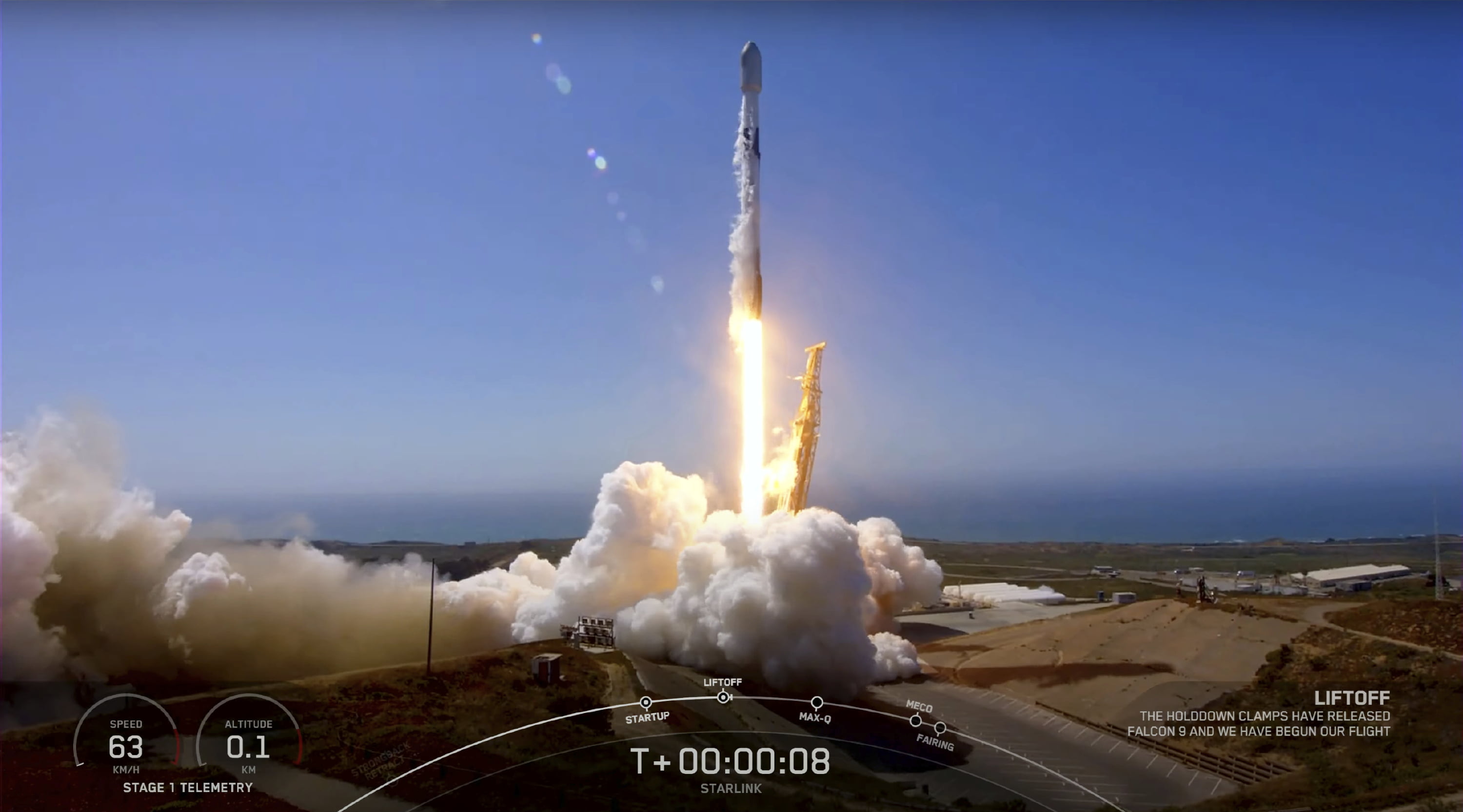

California’s Coastal Commission has issued an apology to Elon Musk’s SpaceX and agreed not to require coastal development permits for the company’s rocket launch program at Vandenberg Space Force Base, ending a federal lawsuit that alleged the agency was guilty of political bias.
“The Commission affirms that its function is to protect and enhance California’s coastal zone consistent with its authority under the Coastal Act and the CZMA [Coastal Zone Management Act],” the settlement reads. “The Commission agrees that it may not consider irrelevant factors in performing its function and specifically agrees that it will not take into account the perceived political beliefs, political speech, or labor practices of SpaceX or its officers in considering any regulatory action concerning SpaceX.”
The settlement, unsealed on April 28 in the U.S. District Court in Los Angeles, settles SpaceX’s claims that the commission exceeded its authority and demonstrated improper political animus against the company and its chief executive during a 2024 hearing.
As part of the agreement, the commission admitted that statements by certain commissioners at the Oct. 10, 2024, hearing “showed political bias against SpaceX and its Chief Executive Officer and were improper.” The regulator formally apologized for those statements, as outlined in a signed letter included in the settlement.
The commission further assured the company that it would not require a coastal development permit for future SpaceX launch operations at Space Launch Complex 4, SLC-6, or within Federal Enclave Areas at Vandenberg, to the extent covered by federal government consistency determinations per the Coastal Zone Management Act.
The settlement came after SpaceX filed a lawsuit against the commission and its members in October 2024, in the wake of the agency’s vote to reject a proposed increase in the number of Falcon 9 launches from the federal base in Santa Barbara County.
On Oct. 12, 2024, the commission rejected SpaceX’s plan for more rocket launches, voting against permitting up to 50 launches per year from Vandenberg. Nine days later, Musk vowed to sue the commission over the rejection, with SpaceX filing suit alleging that the commission’s actions violated the U.S. Constitution, the Coastal Zone Management Act, and the California Coastal Act.
The lawsuit argued that Vandenberg, as federal property, was generally exempt from the state agency’s permitting requirements for launch activities and related infrastructure. SpaceX contended the commission’s efforts to impose restrictions went against federal approvals already in place through the U.S. Air Force and Space Force.
Under the settlement terms, SpaceX will file a joint stipulated voluntary dismissal of the lawsuit with prejudice. The company agreed to provide the commission with copies of monitoring data on sonic boom impacts at the Channel Islands that it already shares with the Air Force.
The agreement does not admit liability by any party and notes that the settlement “results solely from the desire to expeditiously resolve disputed issues of law and fact.”
The commission’s position, which SpaceX has the right to contest, is that certain off-base activities, such as beach closures or the deposition of solid material in the ocean, may still require future permits.