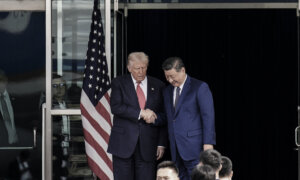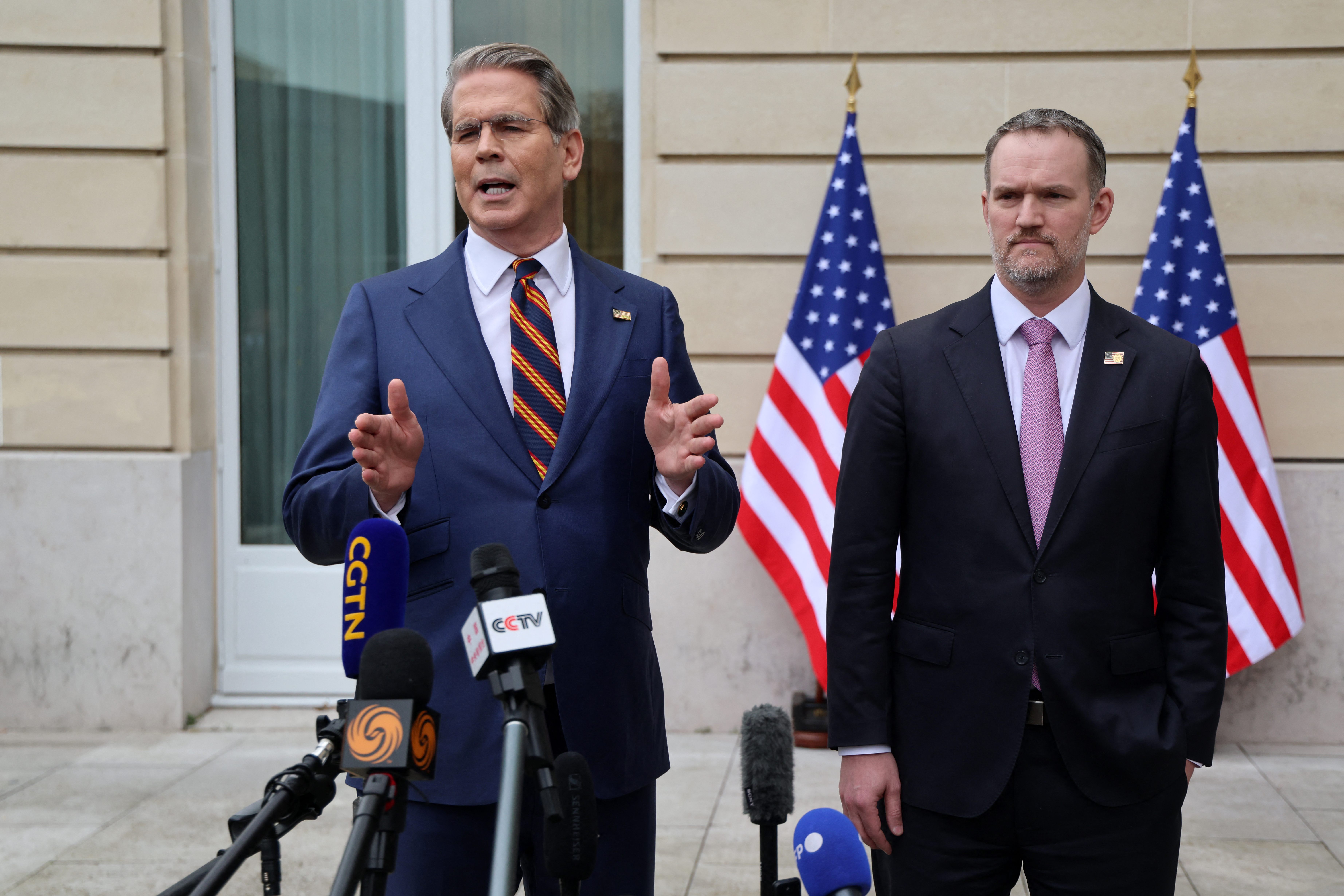

U.S. Treasury Secretary Scott Bessent said on March 16 that if President Donald Trump wants to stay in Washington to coordinate the war in Iran, he may postpone his scheduled meeting with Chinese leader Xi Jinping in Beijing at the end of this month.
“There’s a false narrative out there that if the meetings are delayed, it wouldn’t be delayed because the president demanded that China police the Strait of Hormuz,” Bessent told CNBC.
“That’s completely false. If the meeting, for some reason, is rescheduled, it would be rescheduled because of logistics.”
If there are any changes in Trump’s China visit, Bessent said it would be because the president “wants to remain in D.C. to coordinate the war effort, and that traveling abroad at a time like this may not be optimal.”
The Treasury chief made the comments in the Organisation for Economic Co-operation and Development headquarters in Paris, where he and Trade Representative Jamieson Greer had just concluded more than a day of meetings with China’s top economic officials.
Bessent said the meeting had been “very good” and reaffirmed the stability in the relationship between Washington and Beijing.
But Bessent left open whether Trump’s China visit would proceed as scheduled.
“We will see whether the visit takes place as scheduled,” he added.
White House Press Secretary Karoline Leavitt later echoed those comments in a briefing in Washington.
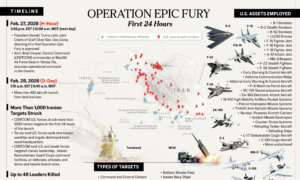
“The dates may be moved,” Leavitt told reporters outside the White House on March 16. “As commander-in-chief, it’s his number one priority right now to ensure the continued success of this operation, Epic Fury.”
Earlier that day, China’s foreign ministry said that it has kept in contact with the United States regarding the expected state visit by Trump.
In an interview with the Financial Times published on March 15, Trump said that he “may delay” his meeting with Xi, while calling on Beijing to help open the Strait of Hormuz.
“It’s only appropriate that people who are the beneficiaries of the Strait will help to make sure that nothing bad happens there,” Trump told the British newspaper, adding that he thinks China should help because it gets oil from the region.
Trump said he would like to know China’s position on the matter before his planned visit to Beijing.
Waiting until the summit, which the White House has said will begin on March 31, would be too late, he added.
When asked about Trump’s comments at a regular briefing in Beijing on March 16, Lin Jian, the spokesperson for the Chinese foreign ministry, didn’t directly address providing assistance in unblocking the strait. Instead, Lin emphasized the importance of high-level engagement between the two countries.
“Head-of-state diplomacy plays an irreplaceable strategic guiding role in China-U.S. relations,” Lin said. “The two sides are maintaining communication on President Trump’s visit to China.”
Lin also indicated that its sanctions on U.S. Secretary of State Marco Rubio, who is expected to accompany Trump, are no longer in effect.
Rubio was twice sanctioned by Beijing in 2020 for his vocal criticism of the Chinese regime’s human rights records, which barred him from entering China.
“China’s sanctions were aimed at Rubio’s words and deeds related to China when he served as a senator,” Lin said, when asked if sanctions would affect Rubio’s ability to make the upcoming trip with Trump.
Aldgra Fredly and Reuters contributed to this report.