
Canadian Sebastien Rollin has been extradited to the United States after allegedly selling thousands of synthetic opioid pills to an undercover officer.
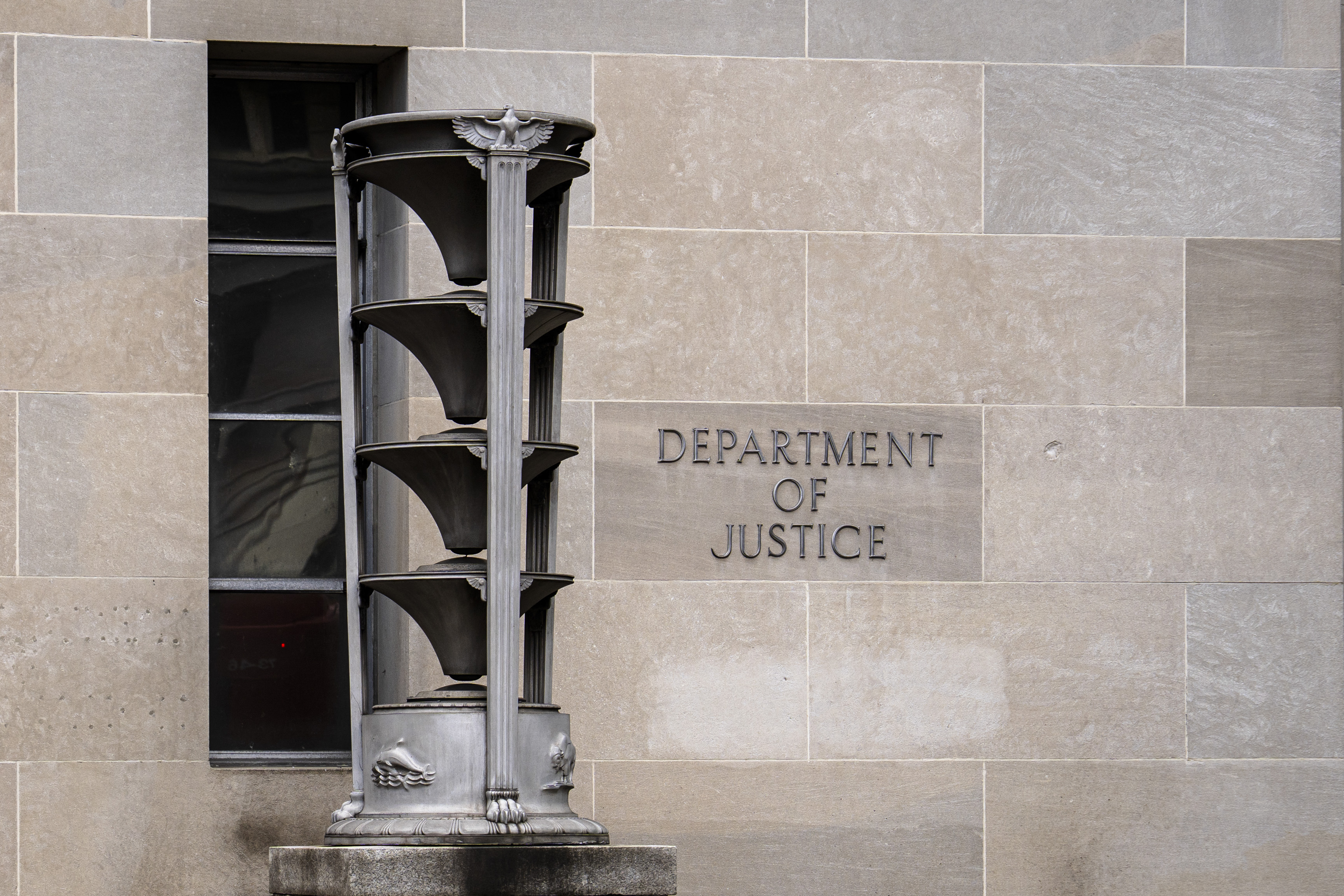
The Department of Justice (DOJ) announced the extradition on March 17, saying that Rollin, 49, has been charged with money laundering and conspiracy to import the synthetic opioid protonitazene. Rollin, a Canadian national also known as “Sticks” or “Stix,” was allegedly involved in arranging the sale of synthetic opioid pills disguised as oxycodone for delivery in Tampa.
According to the DOJ, Rollin sold more than 10,000 disguised pills to an undercover officer on May 13, 2024, and 25,000 similar pills to an undercover officer on July 9, 2024. The alleged drug trafficker accepted payment via cryptocurrency.
There are currently no approved medical uses for protonitazene in the United States or elsewhere. It is used to mix with other opioids, such as fentanyl, to create what the indictment called “new lethal cocktails of dangerous opioids.”
Rollin is scheduled for trial in June of this year, and if convicted, faces a maximum penalty of 120 years in federal prison. The Epoch Times has reached out to Rollin’s attorney for comment.
The extradition was part of the work of the Homeland Security Task Force, which is a whole-of-government partnership launched by President Donald Trump’s January 2025 executive order, Protecting the American People Against Invasion.
It came just days after a March 13 arrest and subsequent transfer of Sebastián Marset, the alleged head of a the First Uruguayan Cartel.
Marset was sent to the United States, where he has been indicted for money laundering, according to officials.
Marset is wanted in Paraguay and Bolivia on organized crime charges related to cocaine trafficking between South American countries and Europe.
In a March 13 post on X, the State Department said, “Sebastián Marset’s reign of terror and chaos is over.”
Drug Enforcement Agency Administrator Terrance Cole said in a March 14 statement, “This arrest marks a significant step towards a safer, more secure America.” He added that the arrest was part of a “commitment to relentlessly pursue and dismantle his drug trafficking organization.”
The Bolivian government said it restored cooperation with the DEA last month after 17 years.
On March 11, the U.S. Embassy in Quito, Ecuador, announced the opening of the nation’s first FBI office. The office will work on relations between the United States and Ecuador to support Trump’s push to fight drug trafficking.
“With the creation of the FBI’s trusted unit, we enhance our joint capacity to identify, dismantle, and bring to justice those who traffic drugs, launder money, smuggle weapons, and finance terrorism,” the U.S. Embassy in Quito wrote on X.
Ecuadorian President Daniel Noboa has also cracked down on organized crime, and joint operations targeting drug trafficking have been taking place between Noboa’s government and U.S. officials.
Chris Summers and Troy Myers contributed to this report.