
1. Constipation
Constipation is one of the most common travel problems, but in traditional Chinese medicine (TCM), it’s not viewed as a single condition. Instead, TCM emphasizes that the body has different “constitutions”—natural tendencies toward heat or cold, balance or imbalance. These constitutions affect how symptoms develop and guide the choice of remedies.
Hot-Constitution Constipation
The body tends to accumulate excess heat. In TCM theory, heat dries out body fluids and slows down the intestines, leading to hard stools and difficulty passing them. Hot constitutions are often worsened by spicy or fried foods, or by traveling in hot climates.
Cold-Constitution Constipation
A “cold” constitution means the digestive system lacks warmth and energy. Digestion slows, and food and waste tend to linger, causing bloating and constipation.
- Take dried ginger: About 1 to 1.5 grams daily (1,500 milligrams), either as capsules, powdered ginger mixed with warm water, or steeped in tea. Add a bit of brown sugar for a stronger warming effect.
- Sip warm drinks: Hot water or ginger tea, especially after meals.
- Avoid cold foods: Iced drinks, raw salads, and cold foods further weaken digestion.
Stress-Induced Constipation
Emotional stress disrupts the liver system, which in TCM doesn’t just filter blood but also governs the smooth flow of energy (“qi”) throughout the body. When stressed, the liver’s energy becomes stagnant, tightening the muscles and slowing bowel movements.
- Practice stretching or yoga: Gentle twists or forward bends help relax the abdomen and release blocked energy.
- Drink peppermint tea: Peppermint tea or capsules soothe tension and ease bloating. In TCM, peppermint also soothes the liver.
- Take honey: One to two teaspoons of raw honey in warm water daily help lubricate the intestines and ease bowel movements.
- Do breathing exercises: Slow, deep breathing calms both the nervous system and the liver system, helping energy circulate smoothly.
2. Diarrhea
Digestive upset is another common travel issue, especially when adapting to new climates or cuisines. Zhu recommends two classic herbal formulas:
‘Huoxiang Zhengqi San’ (Agastache Formula)
Huoxiang Zhengqi San, also known as the Agastache formula, is prized in TCM for helping the body adjust to sudden changes in climate, diet, and environment—common triggers for travel-related discomfort.
- Agastache (“Huo Xiang”): Relieves nausea and regulates digestion
- Perilla leaf (“Zi Su Ye”): Eases stomach discomfort and helps with colds
- Atractylodes (“Bai Zhu”): Strengthens the digestive system
- Tangerine peel (“Chen Pi”): Reduces bloating and promotes energy circulation
Traditional use: For mild diarrhea, stomach upset, headaches, dizziness, and difficulty adapting to damp or cold climates.
3. Foot Pain
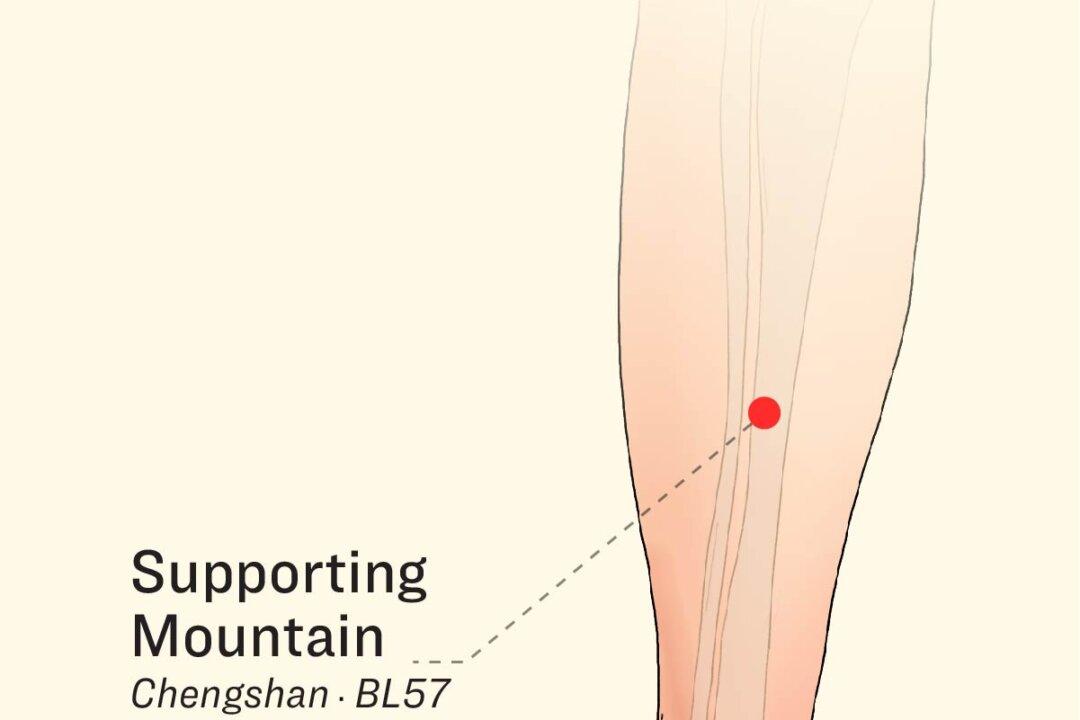
Besides digestive issues, travelers often experience foot soreness from extensive walking. Zhu recommends massaging the Support Mountain (“Chengshan”) acupoint.
4. Blisters
For blisters caused by excessive walking, Zhu advises that if the blister is intact, soaking it in saltwater can be effective, and adding a small amount of rhubarb powder enhances its anti-inflammatory properties. If the blister has already burst, apply concentrated rhubarb granules to the wound. If concerned about pain, start with a small amount to test.
5. Throat Discomfort and Cough
Travel fatigue, poor sleep, or exposure to dry air can trigger throat irritation or coughing. Zhu suggests:
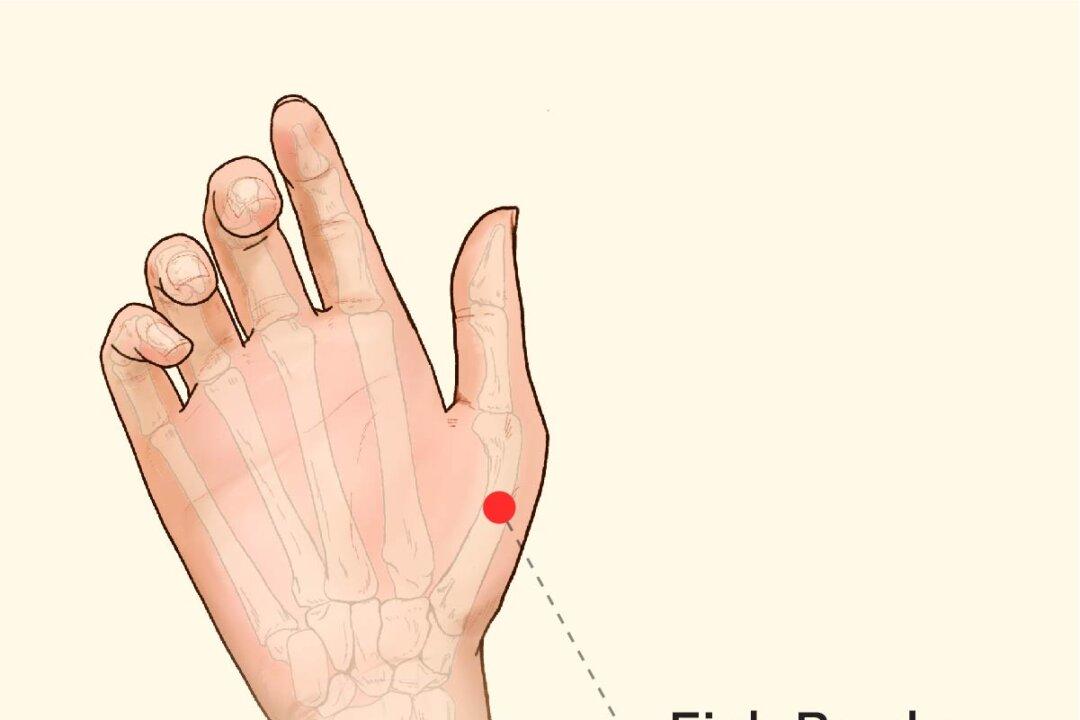
- Apply acupressure: Press the Fish Border (“Yuji”) acupoint located at the center of the base of the thumb, near the inner edge of the bone. If the throat is sore, pressing this point may feel particularly tender. This can help relieve coughing, throat pain, itchiness, or the urge to cough.
- Drink honey water: Honey moistens the lungs and helps with symptoms such as dry throat, persistent cough, or irritation in the respiratory tract. Studies confirm that honey outperforms antibiotics for upper respiratory symptoms without fostering bacterial resistance.
- Use herbal formula (“Shen Su Yin”): Shen Su Yin helps with cough, phlegm, chest tightness, diarrhea, and recurring fevers, making it useful for unpredictable travel illnesses. It is available in Chinese herbal shops, some Asian supermarkets, and online retailers specializing in TCM.
Zhu emphasizes that TCM remedies are not one-size-fits-all. Because everyone has a unique constitution, what works for one traveler may not be right for another. For best results, he recommends consulting a qualified TCM practitioner before your trip to tailor a personalized travel kit.