


Initial Self-Assessment for Autonomic Dysfunction
In an episode of the “She Health” program on NTD, a sister outlet of The Epoch Times, Junru Chen, who has a multidisciplinary background in traditional Chinese medicine (TCM), functional medicine, and nutritional medicine, as well as extensive clinical experience in treating ANS dysfunction, recommended assessing ANS symptoms across the following five categories.
1. Neurological
Common neurological signs of ANS dysfunction include frequent dizziness or headaches, difficulty falling asleep, light or restless sleep, vivid dreams, and waking up feeling unrefreshed. During the day, it may be difficult to concentrate or stay energized.
2. Sensory (Eyes, Ears, Nose, and Mouth)
Blurred vision, tinnitus, reduced hearing, nasal allergies, dry mouth, or a sensation of a foreign object in the throat may seem unrelated, but all of these symptoms can be linked to ANS dysfunction, which affects a wide range of body systems, including sensory functions.
- The pupils and lacrimal glands are regulated by parasympathetic fibers; dysfunction may lead to eye strain or blurred vision.
- Inner ear blood flow and nerve tone are controlled by the ANS; dysfunction may cause tinnitus or dizziness.
- Salivary gland secretion and mucosal moisture are regulated by the ANS; dysfunction may cause dry mouth or nasal hypersensitivity.
If you experience any of these symptoms, consult a specialist—such as an ophthalmologist or ear, nose, and throat physician—to rule out any structural abnormalities or underlying medical conditions.
3. Digestive System
The ANS plays a central role in gastrointestinal motility and secretion. Dysregulation can lead to indigestion, bloating, acid reflux, constipation, or diarrhea. In fact, conditions such as irritable bowel syndrome have been associated with autonomic dysfunction in clinical studies.
4. Endocrine and Muscular System
Cold hands and feet, or excessive sweating and heat sensations in the palms and soles, may be signs of ANS dysfunction. Since the ANS regulates sweat glands and helps maintain body temperature, any imbalance can impair the body’s ability to manage heat effectively.
5. Cardiovascular System
The ANS regulates essential functions such as heart rate, breathing, and blood pressure. When this system becomes imbalanced, it can lead to muscle tension and irregular blood vessel activity, increasing the risk of cardiovascular dysfunction.
TCM Perspective: Liver’s Vital Energy and Autonomic Regulation
In TCM, ANS dysfunction often corresponds to “liver qi stagnation.”
- The liver is responsible for the smooth circulation of vital energy, or “qi,” throughout the body and for storing and regulating blood.
- When the liver’s vital energy is stagnant, energy flow is blocked, manifesting as emotional irritability, palpitations, chest tightness, digestive discomfort, and sleep disturbances.
- These same symptoms mirror sympathetic overactivation and parasympathetic suppression in modern neurophysiology.
Regulating the liver’s vital energy through herbal therapy, acupoint stimulation, and stress management can help rebalance autonomic function.
Natural Ways to Support ANS Function
For those experiencing mild symptoms, Chen recommended starting with simple lifestyle changes to support the body’s natural healing process. The following practices can be incorporated into daily life as part of a self-care approach:
Rose and Red Date Tea
A soothing cup of rose and red date tea may help ease stress, lift your mood, and promote overall well-being.
- 6 dried rosebuds
- 2 red dates (jujubes)
- 400 milliliters (about 13 1/2 ounces) boiling water
Preparation:
- Remove the pits from the red dates.
- Gently crush or slice the dates.
- Place the prepared red dates and rosebuds into a pot.
- Pour in the boiled water.
- Steep until the flavor is fully released, then serve warm.
Rosebuds have an aromatic quality that, in TCM, is believed to help soothe the liver and promote the smooth flow of vital energy, thereby supporting the healthy circulation of both energy and blood, according to Chen. This makes rose tea particularly beneficial in cases of autonomic dysfunction related to stress.
Acupoint Massage to Calm the Nervous System
According to TCM, meridians are channels through which energy flows in the human body. They transport vital energy and blood and help maintain the balance and stability of various tissues and organs. When there is an imbalance or deficiency of vital energy and blood, diseases or other conditions may occur.
Hundred Meetings (Baihui)
Stimulating this acupoint may help clear the mind, reduce stress, and support nervous system balance.
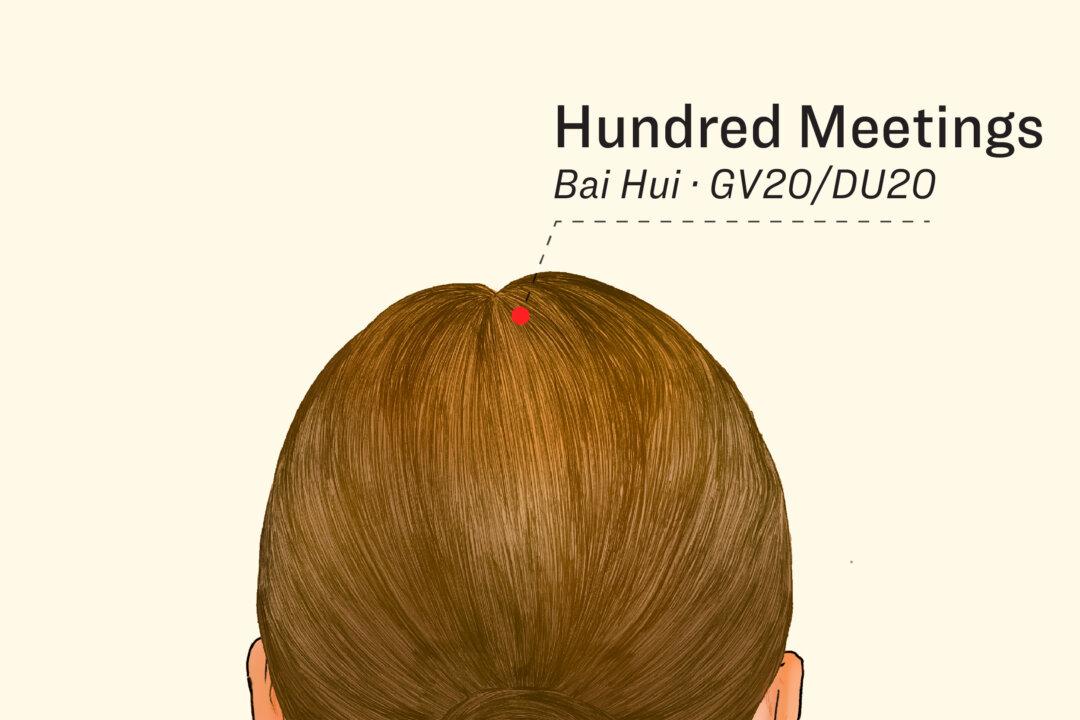
Location: At the top of the head, directly above the midpoint between the ears and approximately one thumb-width behind the crown.
Functions: Clears the mind, calms the spirit, relieves headaches and dizziness, and supports neurological balance.
A systematic review found that stimulating the Hundred Meetings acupoint may offer a range of health benefits, including relief from headaches and dizziness—symptoms of ANS dysfunction—as well as therapeutic effects for neurological and psychiatric conditions.
Inner Pass (Neiguan)
Stimulating this acupoint may help soothe palpitations, ease stress, and restore inner balance.
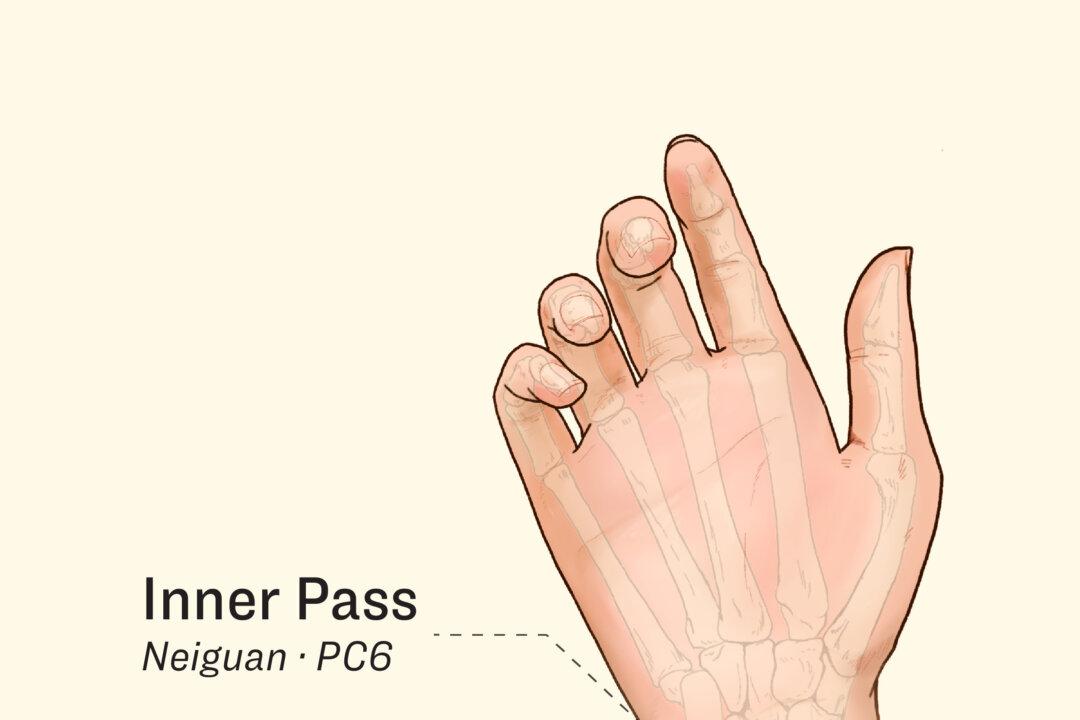
Location: On the inner forearm, three finger-widths above the wrist crease, between two tendons.
Functions: Regulates heart rhythm, eases palpitations and chest tightness, and promotes relaxation.
This acupoint is frequently used in acupuncture for autonomic cardiovascular regulation.
Leg 3 Miles (Zusanli)
Stimulating this acupoint may help regulate digestion and support overall health.
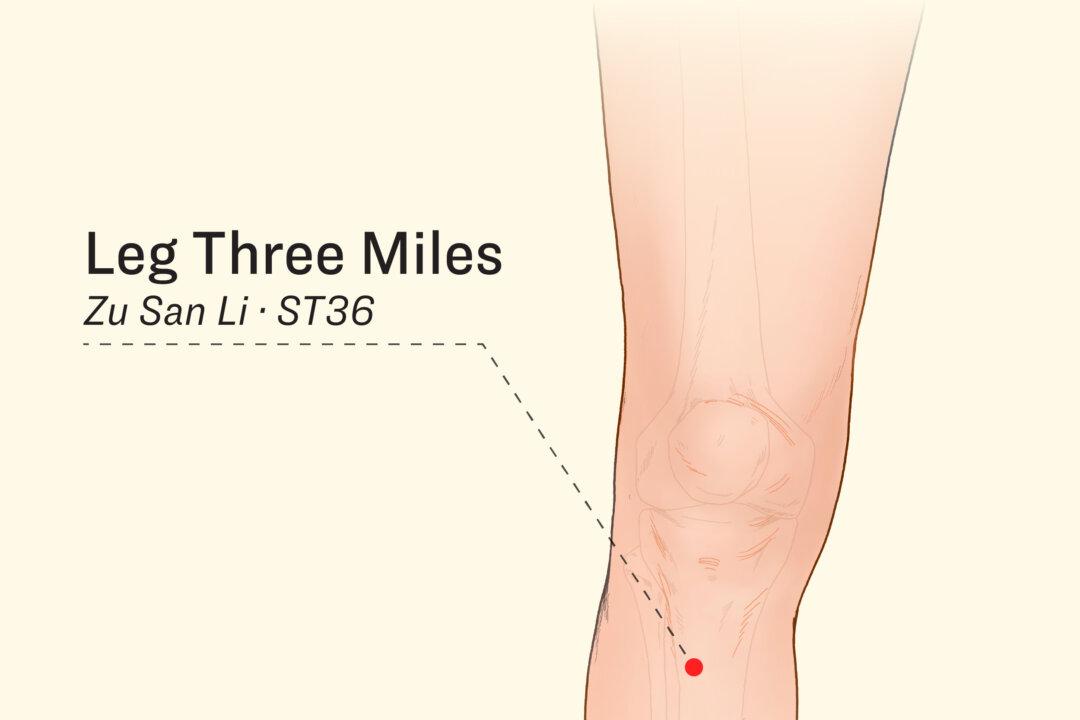
Location: Four finger-widths below the outer edge of the kneecap.
Functions: Strengthens the spleen and stomach, aids digestion, boosts energy, and regulates gut motility.
Stimulating the Leg Three Miles acupoint has been associated with improved vagal activity and gastrointestinal regulation. Apply gentle pressure in circular motions for one to two minutes on each point daily.
Adjust Daily Habits and Routines
Cultivating healthy habits through small daily changes can be an effective way to restore both physical and mental well-being, Chen said.
1. Maintain a Consistent Sleep Schedule
Try to go to bed by 10:30 p.m. to allow the body sufficient time to produce melatonin and support quality sleep. Inadequate sleep can drain the body’s energy and worsen symptoms of ANS dysfunction.
2. Engage in Regular Exercise
Regular physical activity helps regulate the ANS and promotes overall well-being. Aim for about one hour of low- to moderate-intensity exercise such as walking or jogging during the day or before dinner. Avoid vigorous activity close to bedtime, as it may raise heart rate and interfere with sleep.
3. Follow a Healthy Diet
Digestive function is closely linked to the ANS. Chen recommended reducing the intake of sweets and cold or raw foods, especially for those prone to acid reflux. This can help reduce the digestive burden and support overall gastrointestinal health.
4. Manage Stress Effectively
Practices such as deep breathing, meditation, aromatherapy, gentle yoga, or music therapy can help create a calming environment. These activities promote muscle relaxation and aid in regulating ANS function.