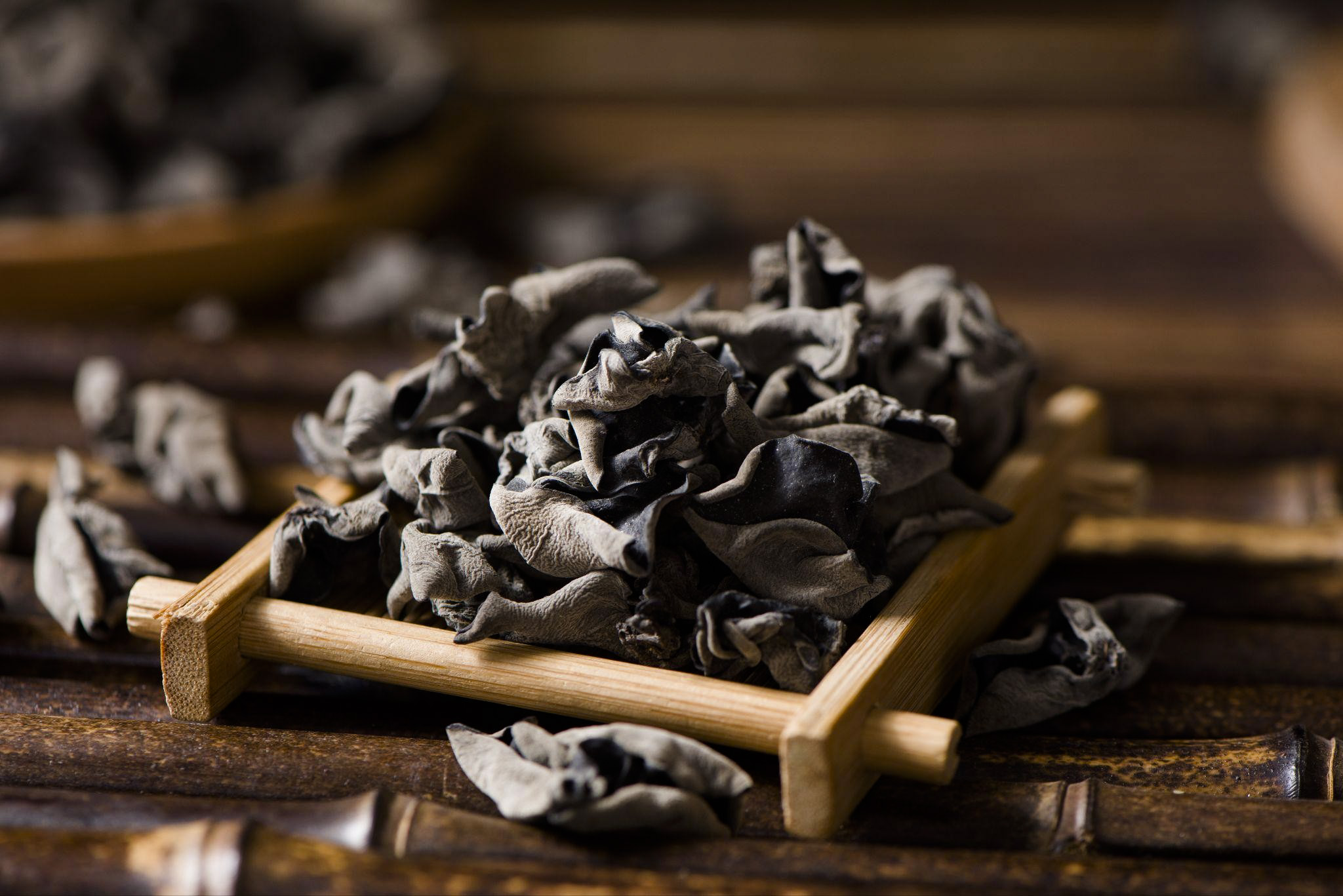


Health Benefits of Black Fungus
Black fungus is both a culinary ingredient and a medicinal powerhouse in TCM. Below are its core functions supported by traditional use and scientific evidence.
Circulating Blood and Transforming Stasis
In TCM, black fungus is categorized as a blood-activating food that invigorates the blood and removes stasis. It helps improve circulation and disperse areas where blood flow may be sluggish or obstructed—conditions associated with blood stasis.
Black fungus is particularly useful for people with:
- High blood pressure
- Menstrual disorders marked by dark clots
- Cold limbs or numbness
- Chronic muscle stiffness or pain
By promoting smooth blood flow, black fungus helps prevent the buildup of plaques and clots in vessels, reducing the risk of stroke and cardiovascular events.
Reducing Blood Lipids and Cholesterol
Modern research has confirmed that black fungus polysaccharides help reduce blood lipids. Specifically, studies show:
- Reduction in total cholesterol
- Lowering of LDL (“bad”) cholesterol
- Mild increases in HDL (“good”) cholesterol
The lipid-lowering effect of black fungus may contribute to the prevention of atherosclerosis, a condition in which plaque builds up inside arteries, restricting blood flow and increasing the risk of heart attacks.
Preventing Blood Clot Formation
Black fungus contains compounds with blood-thinning properties, which help inhibit excessive clot formation. This can be beneficial for people at risk of:
- Deep vein thrombosis
- Stroke
- Heart attack
However, TCM advises careful use in those with bleeding tendencies or before surgery. Scientific research suggests that black fungus contains natural fibrinolytic enzymes, which may help break down fibrin, a protein involved in clot formation.
Lowering Blood Sugar
A 2024 animal study demonstrated that black fungus polysaccharides improved insulin sensitivity, suggesting it could be useful in managing or preventing Type 2 diabetes.
Other findings included:
- Reduction in fasting blood glucose
- Improvement in glucose tolerance
- Antioxidant activity that combats oxidative stress, a major contributor to insulin resistance and diabetic complications
These effects suggest that black fungus may be a promising natural aid in managing metabolic health.
Moistening Dryness
In TCM, black fungus is known for its yin-nourishing and moistening properties. Its slippery, gelatinous texture reflects its ability to:
- Replenish body fluids
- Alleviate internal dryness
- Relieve symptoms like dry throat, flaky skin, constipation, and scanty urine
These benefits are particularly helpful in dry environments or during winter months when the body tends toward dryness and fluid depletion.
Cooling the Blood and Stopping Bleeding
Black fungus is believed to have a cooling effect on the blood, making it suitable for clearing “blood heat”—a TCM term often associated with inflammation or hyperactivity in the circulatory system.
It is traditionally used to address:
- Nosebleeds
- Hemorrhoids with bleeding
- Bloody stools
Its effectiveness is attributed to its astringent and hemostatic qualities and its ability to promote circulation without causing excess heat.
Preventing Anemia
With a high iron content, black fungus is a valuable addition to the diet of:
- Vegetarians
- Women with heavy menstrual flow
- People recovering from blood loss or anemia
Unlike iron from meat sources, the non-heme iron in black fungus is more gentle on the stomach and can be paired with vitamin C-rich foods to enhance absorption. TCM also values its tonifying effect on the blood.
Promoting Gut Health
Black fungus is rich in dietary fiber and prebiotic polysaccharides, which nourish beneficial gut bacteria such as Bifidobacteria and Lactobacilli. A healthy gut microbiome helps:
- Modulate systemic inflammation
- Support digestion and nutrient absorption
- Influence lipid and glucose metabolism
A 2017 review highlighted the gut-heart axis, noting how gut imbalances can contribute to heart disease, hypertension, and metabolic disorders. By supporting gut integrity and microbial balance, black fungus indirectly bolsters cardiovascular resilience.
Heart-Healthy Recipes Featuring Black Fungus
To enhance the effects of black fungus in promoting circulation and protecting blood vessels, Zhang recommends incorporating it into your diet with specific pairings.
Black Fungus and Lean Pork Soup
Pairing black fungus with ginger can boost its blood-circulating effect. For example, it can be prepared in a lean pork congee or soup, with two to three slices of ginger added. The combination helps transform blood stasis, unblock the meridians (energy pathways), and prevent vascular obstruction.
- 1.3 ounces dried black fungus
- 6 red dates
- 3 slices mature ginger
- 4 ounces lean pork
- 36 fluid ounces water
- Salt, to taste
Preparation
- Rinse dried black fungus thoroughly and soak it in water for two hours. Slice the ginger and cut the lean pork into chunks.
- Place all ingredients in a pot, add water, and simmer until the liquid is reduced by half.
- Season with a small amount of salt before serving.
Eat about one small bowl of the soup before each meal, three times a day. The black fungus and lean pork can be eaten as part of the meal. After taking it daily for one week, you may reduce the frequency to once every three to five days.
Black Fungus, Walnut, and Goji Berry Soup
Ingredients
- 3 to 5 pieces black fungus
- 2 walnuts
- 10 goji berries
- 4 red dates
Preparation
- Soak black fungus until fully rehydrated
- Shell walnuts. Rinse goji berries and red dates thoroughly
- Place all ingredients into an electric cooker. Add enough water to cover the ingredients in the inner pot. Steam for about 10 minutes. Alternatively, bring the mixture to a boil on the stovetop, then reduce to a low simmer and cook for approximately 10 minutes.
Eat on an empty stomach each morning for best results.
Black Fungus, Hawthorn, and Brown Rice Congee
Ingredients
- 0.35 ounces black fungus
- 0.35 ounces hawthorn slices
- 1.8 ounces brown rice
- 5 to 6 cups of water
Preparation:
- Rinse all ingredients thoroughly.
- Combine black fungus, hawthorn, and brown rice in a pot with 5 to 6 cups of water.
- Bring to a boil, then reduce to a simmer.
- Cook for about 1.5 hours, or until the brown rice is soft and the congee reaches your desired consistency.
The polysaccharides in black fungus, combined with the flavonoids in hawthorn, may work synergistically to help lower blood lipid levels. Brown rice helps balance the medicinal strength of hawthorn and reduces the risk of stomach irritation from its acidity.
Guide to Choosing Black Fungus
When it comes to dietary remedies, should you use fresh or dried black fungus? Zhang outlined the distinct advantages and considerations of both options:
Fresh Black Fungus
- Pros: Retains more water-soluble vitamins and offers a better texture.
- Cons: Lower in overall nutrient density due to higher water content. Contains a photosensitive compound that, if not thoroughly cooked, may trigger allergic reactions or eczema upon sun exposure.
Dried Black Fungus
- Pros: Easy to store, making it a practical choice for everyday use in diet therapy. Although some vitamins may be lost during drying, the reduced water content increases the relative concentration of minerals, trace elements, such as iron and calcium, and dietary fiber.
- Cons: Requires soaking before use and should not be soaked at room temperature overnight, as this can lead to bacterial growth and increase the risk of food poisoning.
Precautions for Eating Black Fungus
Zhang noted that black fungus is not suitable for everyone, especially when eaten in large amounts. Particular caution is advised for the following groups:
People With Bleeding Disorders
People with bleeding tendencies—such as frequent gum bleeding or women with excessively heavy menstrual flow—should eat black fungus with caution due to its blood-circulating properties.
Pre- and Post-Surgical Patients
Black fungus has mild anticoagulant effects, which may increase the risk of bleeding during or after surgery. It is best avoided around the time of surgical procedures.
Pregnant Women
Pregnant women should not eat excessive amounts of black fungus, as its blood-circulating properties may increase the risk of miscarriage or affect fetal stability.
People With Digestive Sensitivities
Due to its high fiber content, eating too much black fungus at once may cause bloating, discomfort, or even chest tightness. Its fiber may also stimulate intestinal movement, which can worsen symptoms for those prone to diarrhea. To ease digestive discomfort, it is best to pair black fungus with warming ingredients such as shredded ginger or black pepper.