

WASHINGTON—President Donald Trump has called off a potential meeting with Russian President Vladimir Putin, a White House official told The Epoch Times.
The decision followed a phone call between U.S. Secretary of State Marco Rubio and Russian Foreign Minister Sergey Lavrov, who had also been expected to meet this week to prepare for a possible summit.
“Secretary Rubio and Foreign Minister Lavrov had a productive call,” a White House official said in a statement. “Therefore, an additional-in-person meeting between the Secretary and Foreign Minister is not necessary, and there are no plans for President Trump to meet with President Putin in the immediate future.”
Rubio’s meeting with Lavrov had been scheduled for this week, a source familiar with the planning told The Epoch Times.
Speaking to reporters in the Oval Office on Oct. 21, Trump said of the White House announcement: “I don’t want to have a wasted meeting. I don’t want to have a waste of time.”
“We'll be notifying you over the next two days as to what we’re doing,” the president said.
On Oct. 16, Trump said he spoke by phone with Putin and agreed to meet with him in Budapest, Hungary, with the aim of ending the war in Ukraine. Trump described the conversation as “very productive” in a Truth Social post.
“President Putin and I will then meet in an agreed upon location, Budapest, Hungary, to see if we can bring this ‘inglorious’ War, between Russia and Ukraine, to an end,” Trump wrote.
Trump later told reporters that the meeting with Putin could take place within “two weeks.” The two leaders met in Alaska in August, but that summit failed to produce a breakthrough for peace.
Efforts to End the War in Ukraine
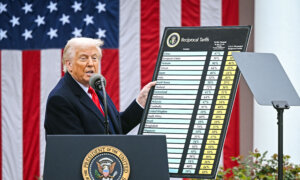
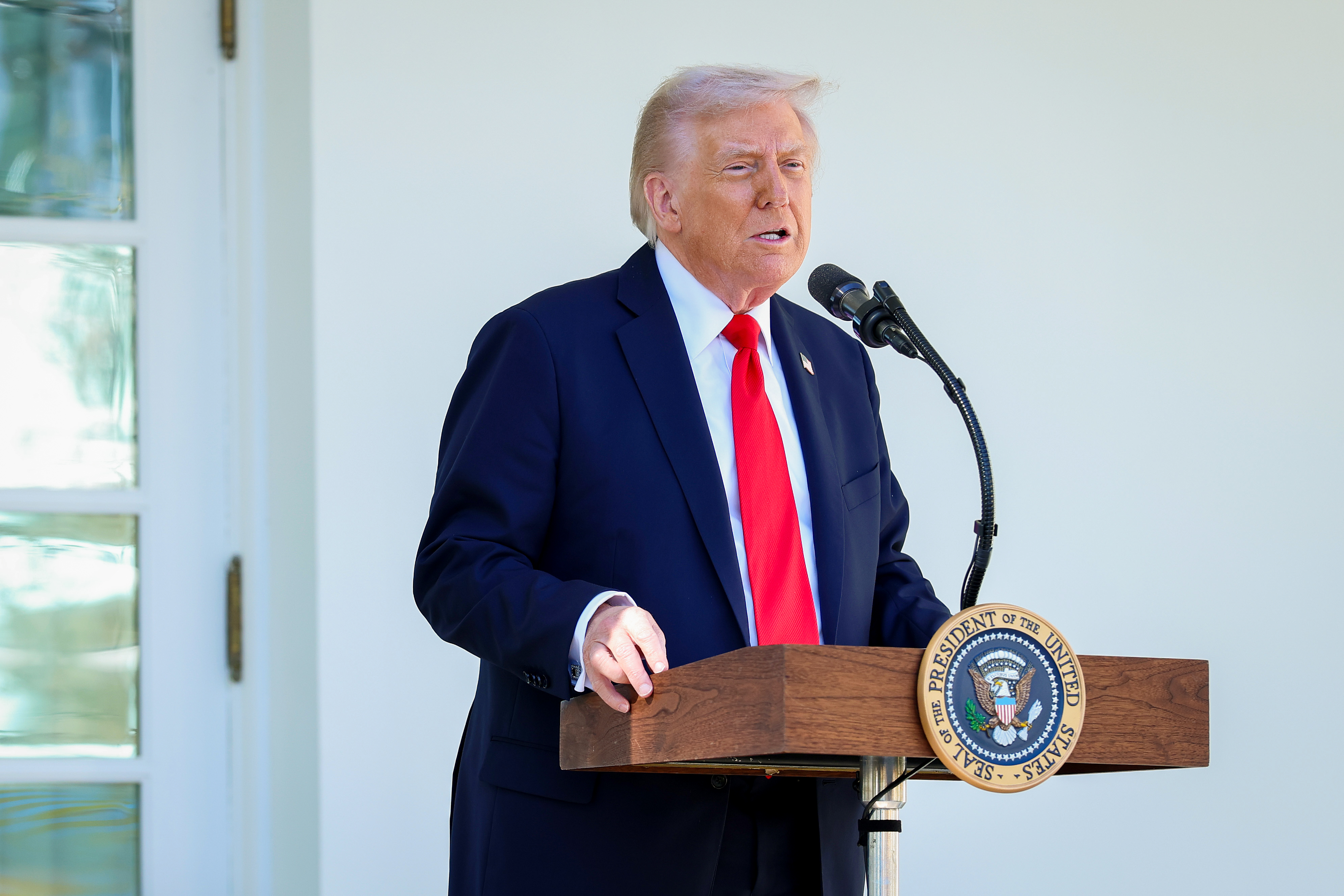
During an event at the White House’s Rose Garden on Tuesday, Trump said his administration had already worked to “put out eight wars” and that it would soon end a ninth, seemingly referring to the Russia–Ukraine war.
The Trump administration has recently increased pressure on Putin to end his war in Ukraine. Last week, Defense Secretary Pete Hegseth warned Moscow that the United States and its NATO allies would “impose costs” on Russia if it didn’t quickly end the war in Ukraine.
Hegseth said that the United States and Europe were sending a “clear message” to Russia.
“Now is the time to end this tragic war, stop the needless bloodshed, and come to the peace table,” he said.
“If this war does not end, if there is no path to peace in the short term, then the United States, along with our allies, will take the steps necessary to impose costs on Russia for its continued aggression.”
Trump has also pushed other nations to stop purchasing Russian oil as Washington continues its pressure campaign on Moscow. On Oct. 15, Trump said India had pledged to stop buying oil from Russia “within a short period of time.”
“That’s a big stop,” Trump said. “Now [I’ve] got to get China to do the same thing.”
The following day, Senate Majority Leader John Thune (R-S.D.) said the Senate would soon vote on a bill to grant Trump the authority to impose sweeping secondary sanctions on nations that continue to buy Russian oil.
Sen. Lindsey Graham (R-S.C.) introduced the “Sanctioning Russia Act of 2025” in April, and the bill currently has 84 co-sponsors.
Under the bill’s provisions, the United States would impose 500 percent tariffs on all Russian goods and services, as well as those of nations that buy Russian uranium and petroleum products.
Arjun Singh contributed to this report.