
The average tax refund is 10.8 percent higher this year when compared with the same time period in 2025, according to data released by the Internal Revenue Service (IRS) on March 20.
The figures show that as of March 13, the average refund for individual filers for 2026 was $3,623, up from $3,271 from 2025.
Around 69.7 million individual tax returns have been received by the IRS so far, the agency said, around 1 percent down from the same time period last year. An estimated 164 million taxpayers are expected to file this season, which started on Jan. 26 and will run through April 15.
The release suggests that the average refund size has gradually declined over the past several weeks of filing updates released by the IRS. On Feb. 20, according to the figures, tax refunds increased more than 14 percent over the previous year.
Treasury Secretary Scott Bessent in January touted new tax cuts that were included under the One Big Beautiful Bill Act last year by saying they would lead to “substantial refunds” for families.
“They’re [going to] change their withholding and have bigger take-home pay every two weeks, every month. So, it’s really an exciting time,” he said in a Fox News interview at the time.
The tax refunds come as gasoline prices have surged to nearly $4 per gallon on average nationwide as the price for a barrel of oil has increased amid the U.S. war with Iran that started in late February. The average price of gasoline in America has risen by around $1 per gallon following the strikes on Iran, which prompted Iranian attacks on energy installations around the Middle East and the effective closure of the Strait of Hormuz, which carries one-fifth of the global oil supply.
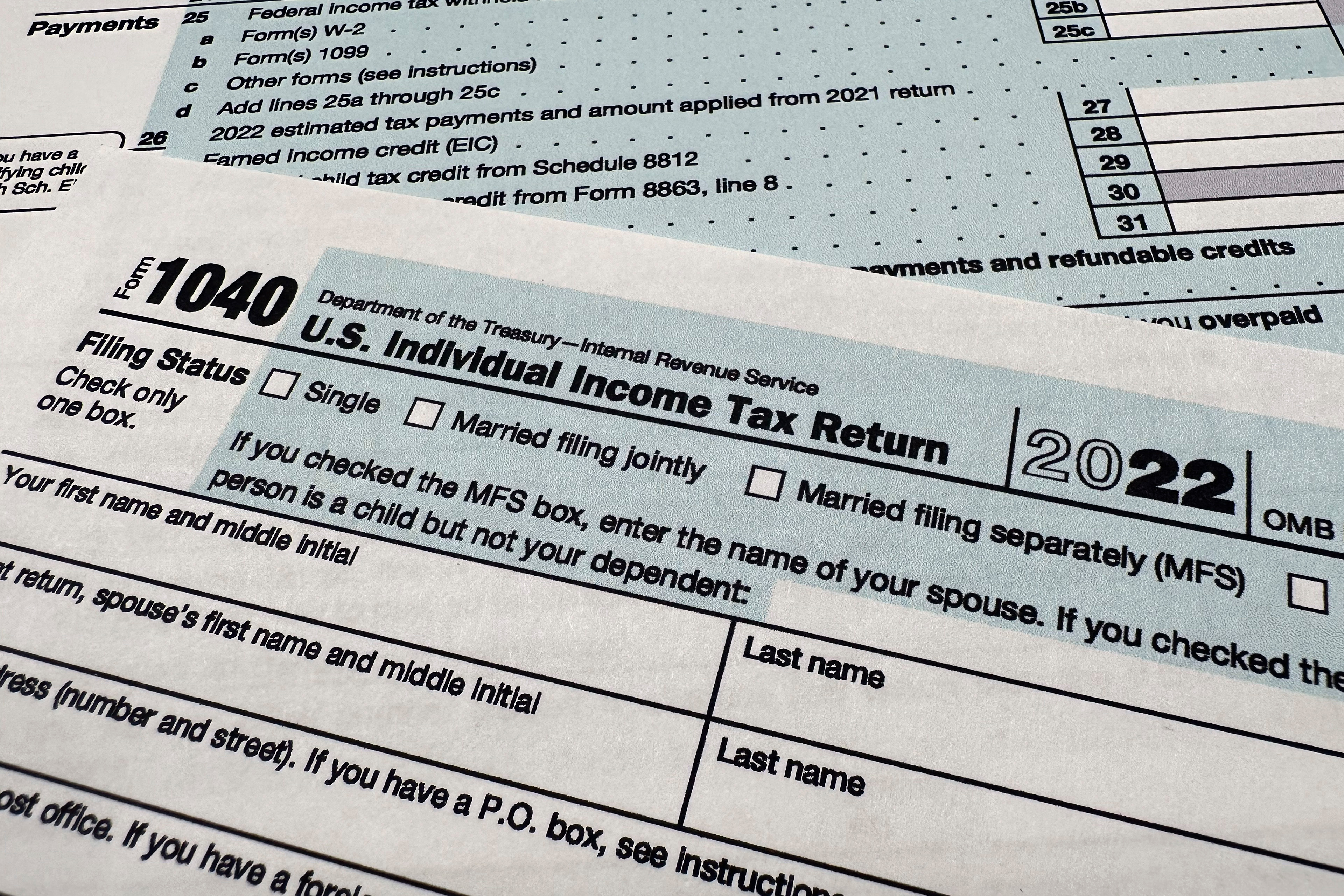
The release of IRS data last week comes as the agency announced there is still around $1.2 billion in unclaimed tax refunds for the year 2022, while it also estimated that the median refund for that year is around $686. Taxpayers who haven’t filed a Form 1040 return for the 2022 tax year have until April 15 to submit their returns.
On March 10, officials said that nearly 45 percent of the returns used Schedule 1-A, the form for the new deductions, including approximately 15.5 million that took advantage of tax breaks on overtime and 3.5 million that avoided paying taxes on tips.
“Halfway through this filing season, the Working Families Tax Cuts are already delivering meaningful relief to middle- and low-income taxpayers, increasing after-tax income and putting more money back into the pockets of American families, workers, and small business owners,” Treasury Secretary Scott Bessent said in a statement.
The IRS added that taxpayers who may be seeking their 2022 tax refund could see those returns held if they haven’t filed returns for either 2023 or 2024, according to a March 20 news release.
The One Big Beautiful Bill Act, backed by Republicans and signed by President Donald Trump in July 2025, included $4.5 trillion in tax cuts, including making his 2017 tax rates permanent.
It also added tax deductions on tips, overtime, and auto loans. There’s a $6,000 deduction for older adults who earn no more than $75,000 a year, while the measure also boosted the $2,000 child tax credit to $2,200.
Zachary Stieber and Reuters contributed to this report.