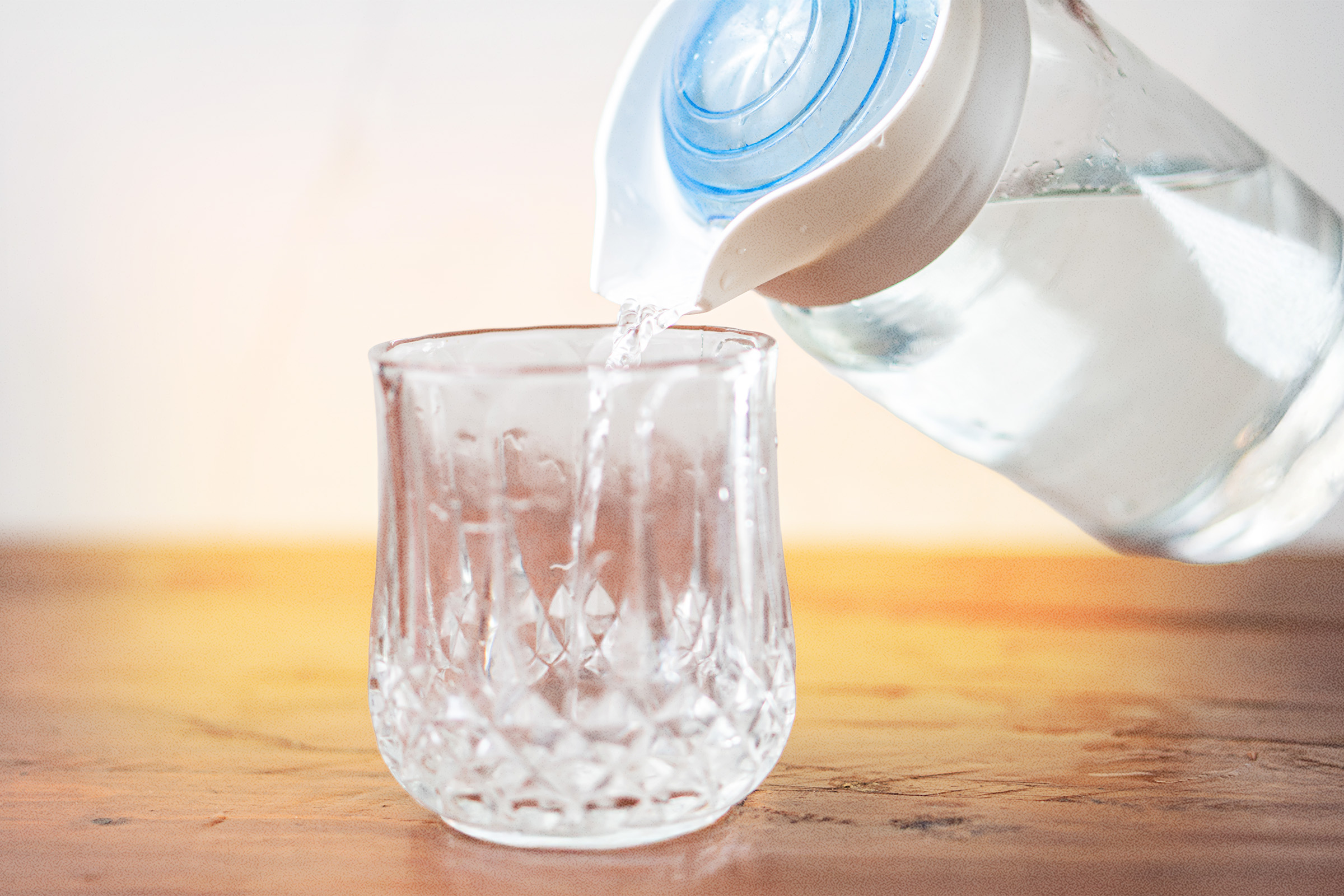
How much water you drink each day may shape how your body handles stress.
Adults who drank less than six cups of water or any beverage daily had a 50 percent higher surge in the stress hormone cortisol when under pressure, according to a new study published in the Journal of Applied Physiology.
“Dehydration doesn’t just affect your physical health; it can also make your stress response stronger,” Daniel Kashi, a researcher at Liverpool John Moores University in England and lead study author, told The Epoch Times in an email.
“Over time, high cortisol levels have been linked to problems like heart disease, kidney issues, and diabetes,” Kashi added.
Low Hydration, High Cortisol
Among people who drank less fluid each day, cortisol—the hormone that fuels the body’s fight-or-flight response—spiked more than 50 percent higher than in those who stayed well-hydrated.
The research team screened 64 healthy adults (32 men and 32 women), dividing them into two groups based on their daily fluid intake.
The low drinkers averaged about 5 1/2 cups a day, while the other group drank closer to, or even exceeded, the typical recommendations of about eight cups for women and 10 cups for men. All types of beverages counted toward these totals, not just water.
After a week of monitored hydration, each participant gave an unprepared speech in front of poker-faced judges, followed by a difficult math test, to measure how their bodies responded to stress.
Both groups reported feeling stressed and showed faster heart rates, but those who drank less fluids had a higher jump in cortisol in their saliva, indicating a stronger stress response. On average, their saliva increased to about six units of cortisol after the test, compared to four units in those who were well-hydrated.
Those who arrived slightly dehydrated, as shown by darker, more concentrated urine, had the strongest stress response.
Why Dehydration Amplifies Stress
Cortisol is central to how the body handles stress—it helps you stay alert, focused, and ready to act. However, when cortisol levels stay high too often, it can wreak havoc on your health, raising risks for high blood pressure, weight gain, and heart disease.
The new research hints at one reason why something as ordinary as not drinking enough water might increase cortisol levels.
“The mechanism behind this stress amplification involves the body’s sophisticated water management system,” Neil Walsh, study co-author and a professor at Liverpool John Moores University, told The Epoch Times in an email.
When the body starts to lose fluids—whether from a long workout, a hot day, or simply not drinking enough—it releases a water-saving hormone that also flips on the stress system.
“Vasopressin (the water-saving hormone) helps the kidneys hold onto water but also signals the brain to release cortisol by activating the hypothalamic-pituitary-adrenal (HPA) axis, the system that triggers cortisol release during stress,” Kashi said.
In the lab, participants who drank less fluid also had higher levels of copeptin, a precursor of the water-saving hormone, suggesting their water‑saving signal was in overdrive. Higher copeptin levels have also been linked in past research to a greater risk of metabolic diseases such as Type 2 diabetes and heart disease.
“The overlap between water regulation and stress regulation may help explain why consistently low fluid intake is often linked with poorer long-term health,” Walsh said.
In short, when the body tries to conserve water, it may also prime itself for stress—a double strain that can build up over time.
What the Findings Mean for Long-Term Health
Something as simple as hydration may help keep the stress system in check, the researchers said. Conversely, dehydration over time can add to chronic stress, gradually wearing down your health.
Notably, thirst is not a reliable indicator of the need to hydrate, as evidenced by the study, in which people who drank less did not report feeling thirstier than their well-hydrated peers.
“While drinking enough water isn’t a cure for anxiety,” Kashi said, “it’s a simple and helpful way to support your body’s stress response. Hydration works best alongside other healthy habits like good sleep, regular exercise, balanced nutrition, and mental health care.”
While this study doesn’t prove that drinking more water directly lowers cortisol in real life, it adds evidence linking less hydration to chronic health issues such as high blood pressure, metabolic disease, and kidney problems.
The researchers stated that the stress-hydration connection requires further exploration. The next research goal is to test whether building better hydration habits over months or years can actually reduce stress hormone spikes in everyday life.
How to Stay Hydrated
Fluid needs vary widely with age, activity, diet, and climate. For most people, drinking water is enough to stay hydrated—but it’s a myth that only water counts.
“Tea, coffee, milk, and water-rich foods also contribute to your daily fluid intake,” Walsh said. Even caffeinated drinks help keep you hydrated, studies show—they’re mostly water, so caffeine doesn’t cancel out their benefits. The key, he added, “is consistency rather than perfection.”
There are times—such as after heavy exercise, a very hot day, or when taking certain medications—when your body needs a little extra help. In such cases, a homemade sports drink made with water, a pinch of salt, and a teaspoon of maple syrup can be beneficial. However, if your regular diet is already high in salt or sugar, save these tricks for when you really need them.
A simple rule of thumb is to check your urine color—pale yellow signals good hydration; darker shades mean you probably need to drink more.
The simplest way to stay adequately hydrated is to keep sipping throughout the day—before you feel thirsty.