Vitamin C doesn’t just protect skin—it can reverse aging at the genetic level by switching on youth-promoting genes that have been silenced over time.
An April study suggests that vitamin C works far beyond its well-known role as an immune booster and antioxidant. Instead, it acts as a genetic switch that can reverse fundamental aging processes in skin cells.
“This opens the door to developing new skin care products or therapeutic approaches aimed at mitigating age-related skin decline,” Akihito Ishigami, lead study author and vice president of the Division of Biology and Medical Sciences at Tokyo Metropolitan Institute for Geriatrics and Gerontology, told The Epoch Times.
The DNA Discovery
Researchers found that vitamin C helps skin cells grow by activating genes involved in skin renewal. As people age, some of their genes can be suppressed through a process called DNA methylation.
When DNA is methylated, it essentially silences genes. Vitamin C is involved in a process that reverses the suppression, allowing skin-renewal genes to become active again.
“VC [vitamin C] is not merely an antioxidant, it plays a critical role in regulating genes involved in skin regeneration,” Ishigami said. “Our research highlights its importance as a functional factor for skin health.”
The scientists identified more than 10,000 areas in DNA that became less methylated after vitamin C treatment, resulting in a 75-fold increase in the activity of 12 key genes involved in cell growth.
In the study, published in the Journal of Investigative Dermatology, researchers used specialized lab-grown skin models that closely mimic human skin.
Researchers applied vitamin C at levels similar to those naturally found in blood. After just seven days, the inner layer of skin cells became noticeably thicker. By the second week, the results were even more pronounced. The inner layer was even thicker, and the outer layer was thinner, suggesting more skin cells were dividing and growing. This was confirmed by more cells showing a marker called Ki-67, which indicates active cell division.
“VC seems to influence the structure and function of the epidermis, especially by controlling the growth of epidermal cells,” Ishigami said.
Vitamin C helps thicken the skin by encouraging the proliferation of keratinocytes, the main cells found in the outermost layer of skin, making it a promising treatment for thinning skin, especially in older adults, he noted.
How Vitamin C Works
Vitamin C supports skin rejuvenation by fueling proteins that turn on skin renewal genes. These enzymes need electrons to work and vitamin C has extra electrons that it shares.
When researchers blocked the proteins, the antiaging effects disappeared.
By encouraging skin growth, vitamin C may help strengthen the skin’s protective barrier and improve its overall health.
However, because the research was conducted on laboratory skin models, clinical trials in humans would be needed to confirm whether these effects translate to real-world applications.
Maximizing Vitamin C’s Skin Benefits
Lifestyle factors affect how well vitamin C supports skin health, said Dr. Arjun Dupati, a board-certified dermatologist and founder of Apollo Dermatology, who was not involved in the study. These include:
- Smoking: Reduces vitamin C levels in both the skin and blood and increases collagen breakdown.
- Excessive sun exposure: Depletes vitamin C stores in the skin, accelerates aging, and weakens the skin barrier. Using sunscreen and sun-protective clothing is essential.
- High alcohol consumption: Impairs vitamin C absorption and reduces skin elasticity and hydration.
- High glycemic and processed food diets: Promote collagen damage and lack nutrient density.
- Poor sleep and stress: Increase inflammation and impair collagen repair, which is partially mediated by vitamin C.
Foods Rich in Vitamin C
The study did not investigate whether dietary vitamin C would improve skin suppleness. However, research has shown that vitamin C deficiencies
can lead to dry and scaly skin.
Ana Reisdorf, a registered dietitian and founder of the diet and health website GLP-1 Hub, who was not involved in the study, told The Epoch Times that the best dietary sources of vitamin C are fruits and vegetables.
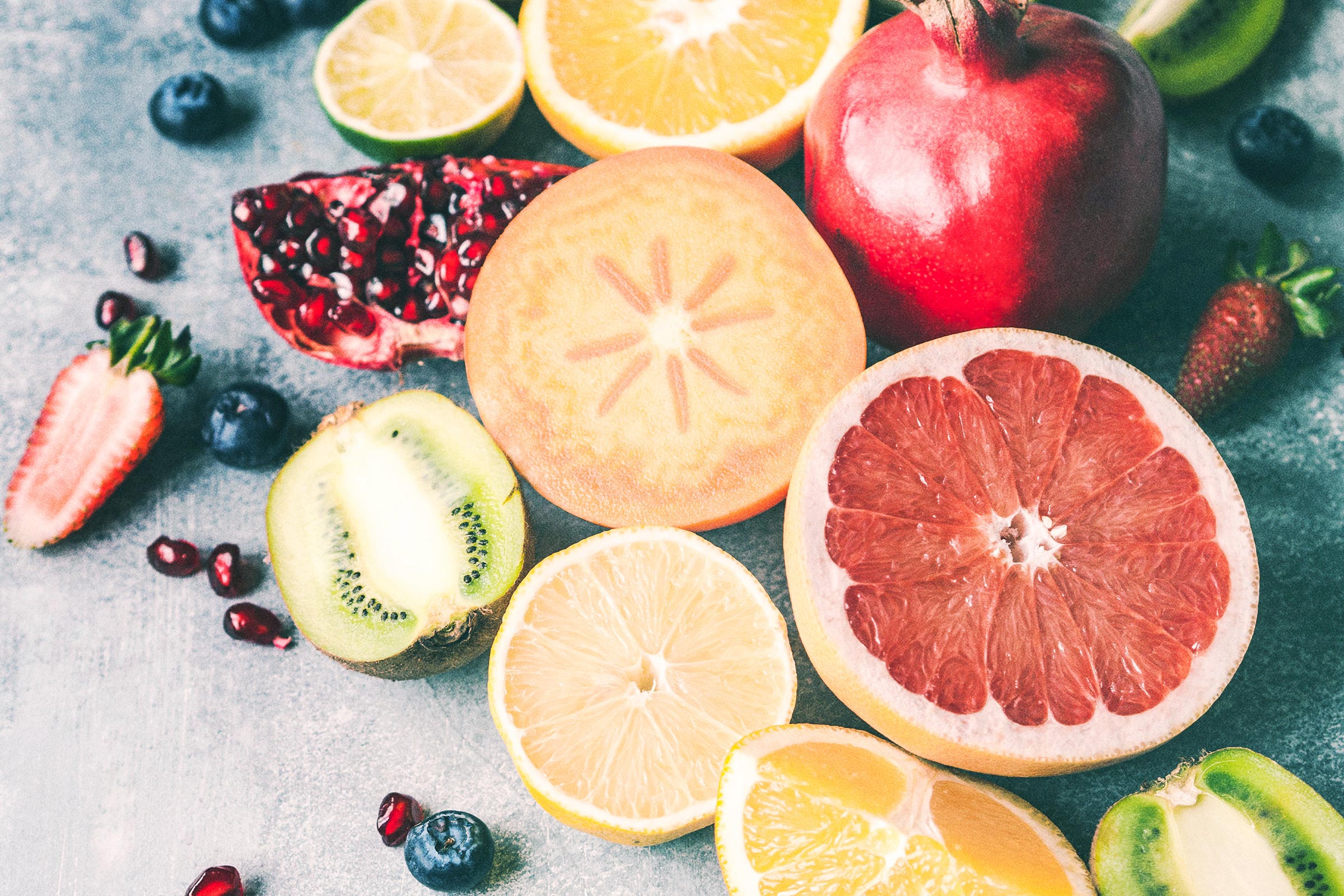
“These include red and yellow bell peppers, kiwi, strawberries, citrus, broccoli, Brussels sprouts, and papaya,” she said.
These foods are high in vitamin C and also contain other phytonutrients that support antioxidant activity and collagen, helping keep skin healthy, she added.
Dupati noted that certain populations may benefit most from increasing their vitamin C intake: older adults, current and former smokers, people taking medications that minimize absorption or increase the breakdown of vitamin C—such as steroid drugs and some chemotherapy agents—and pregnant and breastfeeding women.
He added that athletes, people with high activity levels, those with chronic illnesses—especially gastrointestinal conditions—and those with poor diets may also benefit from increasing their vitamin C intake.