
- Belly or Back Pain: Pain is more common in cancers that develop in the body or tail of the pancreas. The pain is often described as dull or gnawing, may come and go at first, and typically starts in the upper abdomen, sometimes spreading to the sides or back. It can worsen after eating or when lying down.
- Jaundice: This symptom may occur when tumors form in the head of the pancreas, near the bile duct. A blocked bile duct causes a buildup of bilirubin—a yellowish substance—in the body. Jaundice can also lead to dark urine, pale or greasy stools, and itchy skin.
- Unexplained Weight Loss: More common in cancers that start in the head of the pancreas, often accompanied by loss of appetite.
- Stool Changes: A blocked pancreatic duct may lead to fatty, pale, foul-smelling stools that are difficult to flush, indicating poor nutrient absorption and possible weight loss. Other bowel changes may include diarrhea or constipation.
- Indigestion: This can lead to symptoms such as heartburn, bloating, and nausea.
Certain conditions might indicate signs of pancreatic cancer:
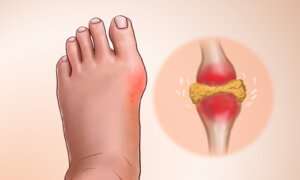
- Blood Clots: Pancreatic cancer promotes blood clots by releasing clot-triggering proteins such as tissue factor and thrombin, and by altering blood composition to increase clotting factors. A blood clot in a large vein—known as deep vein thrombosis—may cause leg pain, swelling, redness, and warmth. If part of the clot breaks off and travels to the lungs, it can cause a pulmonary embolism—a sudden blockage in one of the arteries in the lungs—leading to chest pain or difficulty breathing.
- Diabetes: Pancreatic cancer can damage the insulin-producing cells in the pancreas, leading to high blood sugar and diabetes. This may cause increased thirst, hunger, and frequent urination.
- Gallbladder Enlargement: If the bile duct becomes blocked by cancer, bile can accumulate in the gallbladder, causing it to enlarge.
Advanced Symptoms
When pancreatic cancer spreads to other parts of the body, it causes location-specific symptoms:
- If Spread to the Liver or Abdomen: Pain on the right side of the abdomen and ascites—swelling from fluid buildup. Pancreatic cancer may also lead to an enlarged liver, even before the cancer has spread to that area.
- If Spread to the Lungs: Persistent cough, shortness of breath, recurring chest infections, coughing up blood, and pleural effusion—fluid between the lung and chest wall.
- If Spread to the Bones: Weak or easily broken bones; high blood calcium levels, which can cause dehydration, confusion, nausea, abdominal pain, and constipation; and low blood cell counts, which increase the risk of anemia, infection, bruising, or bleeding.
Stages
The stages of pancreatic cancer include:
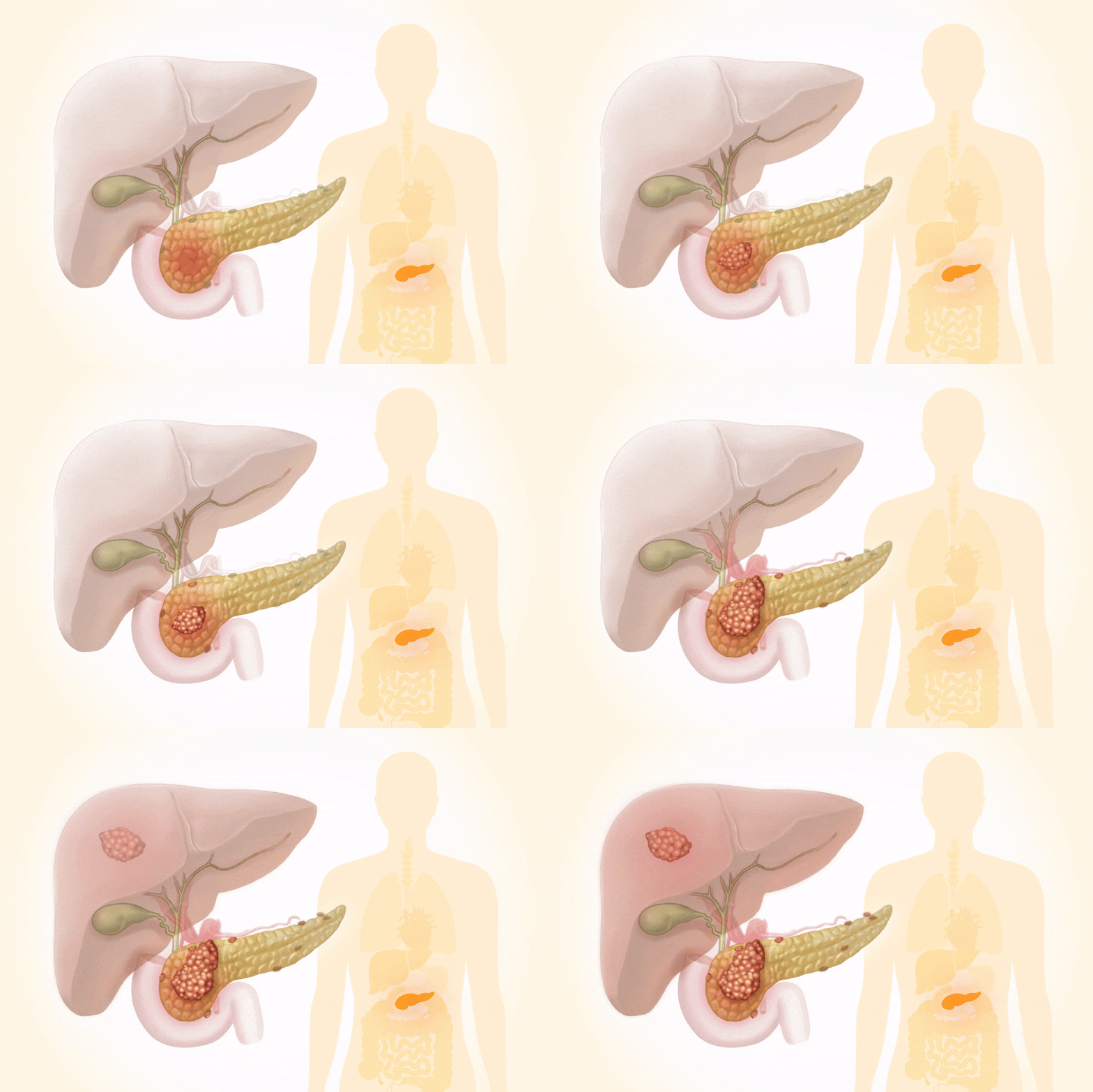
- Stage 0 (Carcinoma in Situ): Abnormal cells are found only in the lining of the pancreas.
- Stage 1: Cancer is confined to the pancreas and can be surgically removed (resectable).
- Stage 2: Cancer may have spread slightly beyond the pancreas—such as to nearby lymph nodes—and is resectable or borderline resectable.
- Stage 3: Cancer is locally advanced, involving major arteries, making surgical removal more difficult.
- Stage 4: Cancer is metastatic, having spread to distant organs such as the liver, and cannot be cured with surgery.
Genetic and Family History
Family history plays a significant role—up to 15 percent of cases are linked to it. Having a first-degree relative with pancreatic cancer increases risk by two to three times, and the likelihood multiplies with more affected family members. Those with a strong family history may be up to nine times more likely to develop pancreatic cancer.
Lifestyle Risk Factors
These factors are largely controllable and represent the best opportunity for risk reduction:
- Smoking: Linked to about 20 percent to 25 percent of pancreatic cancer cases. Smoking doubles the risk, and smoking-related tumors tend to grow faster and appear about 10 years earlier than those in nonsmokers. People who quit smoking 20 years ago have the same risk as those who never smoked.
- Obesity: Having a body mass index (BMI) over 25 or 30, respectively, increases risk. Maintaining a healthy weight through diet and exercise helps protect against pancreatic cancer.
- Heavy Alcohol Use: Drinking about three or more standard alcoholic beverages per day can lead to chronic pancreatitis and may increase cancer risk compared with lighter drinking.
- High Sugar Intake: A 2019 study found that high-sugar environments increase the likelihood of gene mutations that lead to pancreatic cancer by five times compared with normal glucose levels.
- Nighttime Artificial Light Exposure: A 2021 study showed that people in areas with the highest levels of artificial nighttime light had a 27 percent greater risk of pancreatic cancer compared to those in the least-lit regions.
- Chemicals and Radiation: Chemical exposure to carcinogens such as asbestos, pesticides, dyes, and petrochemicals may increase risk. Ionizing radiation from high-energy sources such as X-rays or gamma rays is linked to a very small increased risk.
Medical Conditions
Several health conditions increase risk. While not entirely controllable, many can be managed with medical care:
- Chronic Pancreatitis: Long-term pancreatic inflammation can affect people as young as 35 and may result from genetic factors, duct abnormalities, trauma, or long-term alcohol abuse.
- Gallstones: Gallstones may increase risk by leading to chronic pancreatitis. Treating gallstone disease may help protect the pancreas.
- Diabetes: Associated with a twofold increase in risk, though the connection isn’t fully understood. In some cases, diabetes may actually signal early pancreatic cancer rather than cause it. Proper diabetes management remains important regardless.
- Insulin Resistance: Causes excess insulin production, which can overstimulate pancreatic cells and lead to inflammation, increasing the risk of those cells becoming precancerous.
- Metabolic Syndrome: A cluster of conditions—including excess belly fat, high blood sugar (insulin resistance), high blood pressure, and elevated blood fat levels—that collectively raise cancer risk. This condition is often manageable through lifestyle changes.
- Polycystic Ovary Syndrome (PCOS): A 2024 study found that PCOS was associated with a 38 percent increased risk of pancreatic cancer. Women with PCOS should discuss pancreatic screening options with their doctors.
- Previous Cancers: May slightly increase risk, possibly due to past treatments, genetic factors, or lifestyle habits such as diet and smoking. Regular follow-up care is important for cancer survivors.
- Certain Infections: Some infections—including hepatitis B, bacteria from gum disease, and Helicobacter pylori—may be linked to a higher risk, though evidence is still emerging. Treating these infections when possible is advisable.
- COVID-19 Infection: A 2020 study found that the S2 subunit of the SARS-CoV-2 spike protein interacts with tumor suppressor genes such as BRCA1 and BRCA2, whose impaired function is linked to higher pancreatic cancer risk.
Other Risk Factors
Other general risk factors include:
- Age: Most cases are diagnosed between ages 60 and 80, with risk increasing sharply after age 50. A 2024 study found that Generation X and Millennials in the United States face a higher risk than previous generations, possibly due to more exposure to cancer-causing factors early in life.
- Gender: Men are slightly more likely to develop pancreatic cancer, possibly because they are more likely to use tobacco and drink alcohol.
- Ethnicity: Ashkenazi Jews have a higher risk due to common BRCA1 and BRCA2 genetic mutations. African Americans also have a higher risk compared to Asians, Hispanics, and Caucasians.
- Blood Type: People with blood types A, AB, and B have 32 percent, 51 percent, and 72 percent higher risk, respectively, compared with type O.
- Height: Taller adults may have a higher risk, though the mechanism isn’t fully understood.
- Computed Tomography Scan: Creates detailed images of the pancreas and surrounding areas to detect abnormalities.
- Endoscopic Ultrasound: Uses a thin, flexible tube with a camera and ultrasound probe to get close-up images of the pancreas and can take tissue samples.
- Magnetic Resonance Cholangiopancreatography: A specialized type of MRI that provides detailed images of the pancreas and bile ducts.
- Endoscopic Retrograde Cholangiopancreatography: Combines endoscopy and X-rays to examine the pancreas and bile ducts and can take biopsies or relieve blockages.
- Genetic Testing: Analyzes a person’s DNA for genetic mutations associated with hereditary pancreatic cancer.
- Blood Chemistry Study: Measures levels of substances like bilirubin in the blood; abnormal levels may indicate disease or organ problems.
- Tumor Marker Test: Checks blood, urine, or tissue for substances such as CA 19-9 and CEA. High levels of these markers can be linked to certain types of cancer, including pancreatic cancer.
- Positron Emission Tomography Scan: Uses a small amount of radioactive sugar to detect cancer cells, which absorb more sugar than normal cells, creating detailed images that help identify tumor locations.
- Abdominal Ultrasound: Uses high-energy sound waves to create images of organs and tissues inside the abdomen, helping detect abnormalities like tumors or blockages.
- Percutaneous Transhepatic Cholangiography: Involves injecting dye into the liver or bile ducts, followed by an X-ray to look for blockages. If needed, a stent may be placed to help drain bile. This procedure is typically done only if ERCP isn’t possible.
- Laparoscopy: Uses a thin, lighted tube inserted through small cuts in the abdomen to view internal organs and look for signs of disease. It can also be used to take tissue or fluid samples and may include ultrasound imaging.
- Biopsy: Removes cells or tissue for microscopic examination to test for cancer. For pancreatic cancer, a biopsy may be done with a fine or core needle guided by imaging, or during laparoscopy or surgery.
Surgery
For patients having surgery to remove pancreatic cancer, the tumor’s location in the pancreas determines which surgical procedure is used.
- Whipple Procedure (Pancreaticoduodenectomy): The most common surgery for tumors in the head of the pancreas. It removes the head of the pancreas, part of the small intestine, gallbladder, bile duct, and sometimes part of the stomach. The surgeon then reconnects the digestive system.
- Distal Pancreatectomy: Used for tumors in the body or tail of the pancreas. The surgeon removes the affected part of the pancreas and often the spleen, while leaving the head of the pancreas intact.
- Total Pancreatectomy: In rare cases, the entire pancreas is removed along with parts of the stomach, small intestine, bile duct, gallbladder, and sometimes the spleen. This requires lifelong insulin and digestive enzyme replacement.
- Bypass Surgery: For tumors that can’t be removed, bypass surgery—such as biliary or gastric bypass—may be performed to relieve symptoms caused by blocked bile ducts or intestines. About 80 percent to 90 percent of pancreatic cancers are considered inoperable at diagnosis because of spread or involvement of major blood vessels.
Chemotherapy
Chemotherapy targets fast-growing cells throughout the body. It may be used before surgery to shrink tumors, after surgery to destroy remaining cancer cells, or as the main treatment for cancer that has spread beyond the pancreas.
Radiation Therapy
While chemotherapy uses drugs to kill cancer cells or stop their growth, radiation therapy uses high-energy beams to damage the DNA of cancer cells, preventing them from multiplying. Radiation therapy can shrink tumors before surgery, target remaining cancer cells after surgery, or help control tumor growth and relieve symptoms when surgery isn’t an option.
Immunotherapy
This developing treatment for pancreatic cancer helps the body’s immune system recognize and attack cancer cells. Although its use is still being studied, some drugs have been approved by the Food and Drug Administration. The goal of immunotherapy is to boost immune responses or block the cancer’s defenses to improve treatment outcomes.
Targeted Therapy
This approach uses drugs to block specific molecules involved in cancer growth and spread. It may be offered for unresectable pancreatic cancer based on gene mutations identified through genetic testing.
Pulse Electric Field (PEF) Therapy
PEF is a noninvasive treatment that uses short bursts of high-voltage electricity to disrupt cancer cell membranes without harming nearby healthy tissue. The technique either kills the cancer cells directly or makes them more receptive to chemotherapy. A 2023 study found that nano-pulsed PEF therapy reduced drug resistance in pancreatic cancer cells and made them more sensitive to treatment, helping to shrink tumor cell clusters and slow cancer growth.
Chinese Herbal Medicine
A 2019 study involving 182 pancreatic cancer patients found that those treated with Chinese herbal medicine—using herbs such as St John’s wort, Ginkgo biloba, and ginseng—had an average survival of nearly 30 months.
Promising Research
Ongoing research continues to uncover new and potentially more effective ways to treat pancreatic cancer.
- Intravenous Vitamin C: A 2024 study found that patients with stage 4 pancreatic cancer who received both chemotherapy and high-dose vitamin C lived twice as long—16 months compared with eight months for those receiving chemotherapy alone. They also had fewer side effects and were better able to complete their treatments on schedule.
- Mistletoe Extract: In a 2014 study, 96 pancreatic cancer patients received mistletoe extract injections three times per week, and they experienced significantly reduced pain, fatigue, appetite loss, and insomnia. The findings suggest mistletoe extract may be an effective second-line therapy for pancreatic cancer, helping improve quality of life. Another study found that mistletoe extract could also prolong pancreatic cancer patients’ survival time.
Early lab and animal studies are revealing new drug combinations and natural compounds that could help improve pancreatic cancer treatment.
- Ivermectin and Gemcitabine: A 2022 study found that combining ivermectin, an antiparasitic drug, with gemcitabine, a chemotherapy drug, was more effective at suppressing pancreatic cancer than gemcitabine alone. The combination reduced cancer cell growth, lowered oxygen use, and blocked mitophagy—a process cancer cells use to survive—leading to significantly reduced tumor growth. These findings suggest that ivermectin may boost the effectiveness of gemcitabine and could be a promising pancreatic cancer treatment.
- Apitherapy: This therapy uses bee-derived substances such as bee venom. A 2022 study suggested that bee venom slows the progression of pancreatic cancer cells. Researchers are investigating two of its peptides, melittin and apamin, for their potential anticancer effects.
Pancreatic Cancer-Fighting Diet Tips
Eating well can help support energy levels, reduce fatigue, and maintain strength during treatment.
- Eat Frequent, Small Meals: To help boost energy and prevent weight loss, eat six to eight small, balanced meals at regular times each day. Don’t wait until you’re hungry.
- Stay Hydrated: Drink plenty of clear fluids such as water, electrolyte beverages, and broth to maintain hydration.
- Limit Sugar and Fat: To keep blood sugar stable, avoid sugary foods and drinks, and pair carbohydrates with healthy proteins such as fish, poultry, lean meats, or beans. Also limit high-fat foods, which can strain the pancreas.
- Avoid High-Temperature Cooking: Cooking methods such as stir-frying and deep-frying can produce compounds linked to cancer risk. Choose baking, steaming, or poaching instead.
- Intermittent Fasting: Some lab studies suggest that fasting can make pancreatic cancer cells absorb more of the chemotherapy drug gemcitabine by increasing levels of a transport protein, improving treatment effectiveness. In lab models, combining fasting with gemcitabine reduced tumor growth by more than 40 percent. However, most patients benefit from eating small, frequent meals to maintain weight and manage side effects. Fasting should only be done under medical supervision.
Supplements
Some vitamins and plant compounds may support nutrition and enhance treatment effects, but they should always be discussed with a doctor before use.
- Vitamins: People with pancreatic cancer are at an increased risk of deficiencies in water-soluble vitamins—especially vitamins B1, B3, and B6—as well as fat-soluble vitamins. Therefore, supplementation of these vitamins is recommended under medical guidance.
- Flavonoids: These bioactive plant-based compounds influence multiple cellular pathways, including cell growth, stress response, and programmed cell death. They may help increase chemotherapy effectiveness, inhibit tumor blood vessel growth, and support immune balance. Promising flavonoids include epigallocatechin-3-gallate (EGCG), apigenin, baicalein, isoliquiritigenin, wogonin, and silibinin.
Light Exercises
Gentle physical activity can help maintain strength, mobility, and mood.
- Taking short walks
- Doing light household chores or gardening
- Performing seated leg raises
- Lifting light objects
- Walking up and down stairs
A 2022 study found that the same biochemical pathways activated by aerobic exercise to repair muscle damage may also help shrink pancreatic tumors and make them more responsive to immunotherapy.
Stress Management
Managing stress is an important part of treatment and recovery.
Effective approaches include:
- Practicing meditation
- Doing deep breathing exercises
- Performing tai chi and other relaxation techniques
Seeking support from health care professionals, counselors, or support groups can also help reduce stress and provide a space to share experiences and coping strategies.
- Seek Genetic Counseling: People with a family history of cancer or known genetic mutations can benefit from counseling to assess their risk and explore preventive options.
- Get Regular Checkups: Those with a genetic or family history may benefit from more frequent medical monitoring.
- Manage Diabetes: Keeping blood sugar levels under control may help lower the risk of developing pancreatic cancer.
- Reduce Stress: Chronic stress can weaken the immune system and disrupt metabolic and hormonal balance, potentially creating conditions that allow cancer to grow and spread more easily. Managing stress may help protect overall health.
- Drink Green Tea: EGCG, a compound in green tea, may help fight pancreatic cancer by disrupting the cancer cells’ metabolism. It works by suppressing LDHA, an enzyme linked to cancer growth. Drinking green tea regularly has been associated with a reduced risk of pancreatic cancer.
- Take Probiotics: Restoring a healthy gut bacteria balance through prebiotics, probiotics, next-generation probiotics, or fecal transplants may help reduce inflammation and support gut health.
- Pain: Frequent, often severe pain that may radiate to the back or occur when a tumor presses on nearby nerves.
- Spleen Enlargement: Tumors in the body or tail of the pancreas can block the vein that drains the spleen, leading to swelling.
- Varicose Veins: Blocked veins can cause swollen, twisted veins around the esophagus and stomach.
- Severe Bleeding: If these veins rupture—especially in the esophagus—it can cause severe bleeding.
- Diabetes: Up to half of people with pancreatic cancer develop diabetes because cancer cells replace the insulin-producing cells in the pancreas, impairing blood sugar control.
- Malabsorption: Reduced production of digestive enzymes can lead to bloating, gas, greasy or foul-smelling diarrhea, weight loss, and vitamin deficiencies.
- Bowel Obstruction: Tumors can block the normal movement of food through the intestines, causing nausea, vomiting, and pain.
- Biliary Obstruction: Occurs when a tumor blocks the bile duct and prevents bile from draining properly into the intestine.
- Gastric Outlet Obstruction: A tumor may block the lower end of the stomach, preventing food from moving into the small intestine.
- Venous Thromboembolism: Blood clots–often appearing as deep vein thrombosis—can form because pancreatic tumors promote clotting.