
“Maintaining good oral hygiene, addressing dental issues early, and supporting a healthy oral microbiome may influence brain health more than we ever realized,” Joanna L’Heureux, a researcher at the University of Exeter Medical School, told The Epoch Times.
The oral microbiome—the community of bacteria, fungi, and viruses that live in our mouths—can influence brain health in multiple ways. Some microbial species are linked to better memory and focus, while others have been tied to cognitive decline and genetic risk factors for dementia.
Simple, inexpensive habits such as brushing, flossing, and even managing what we eat can help tip the balance in our favor.
The Link to Cognitive Health
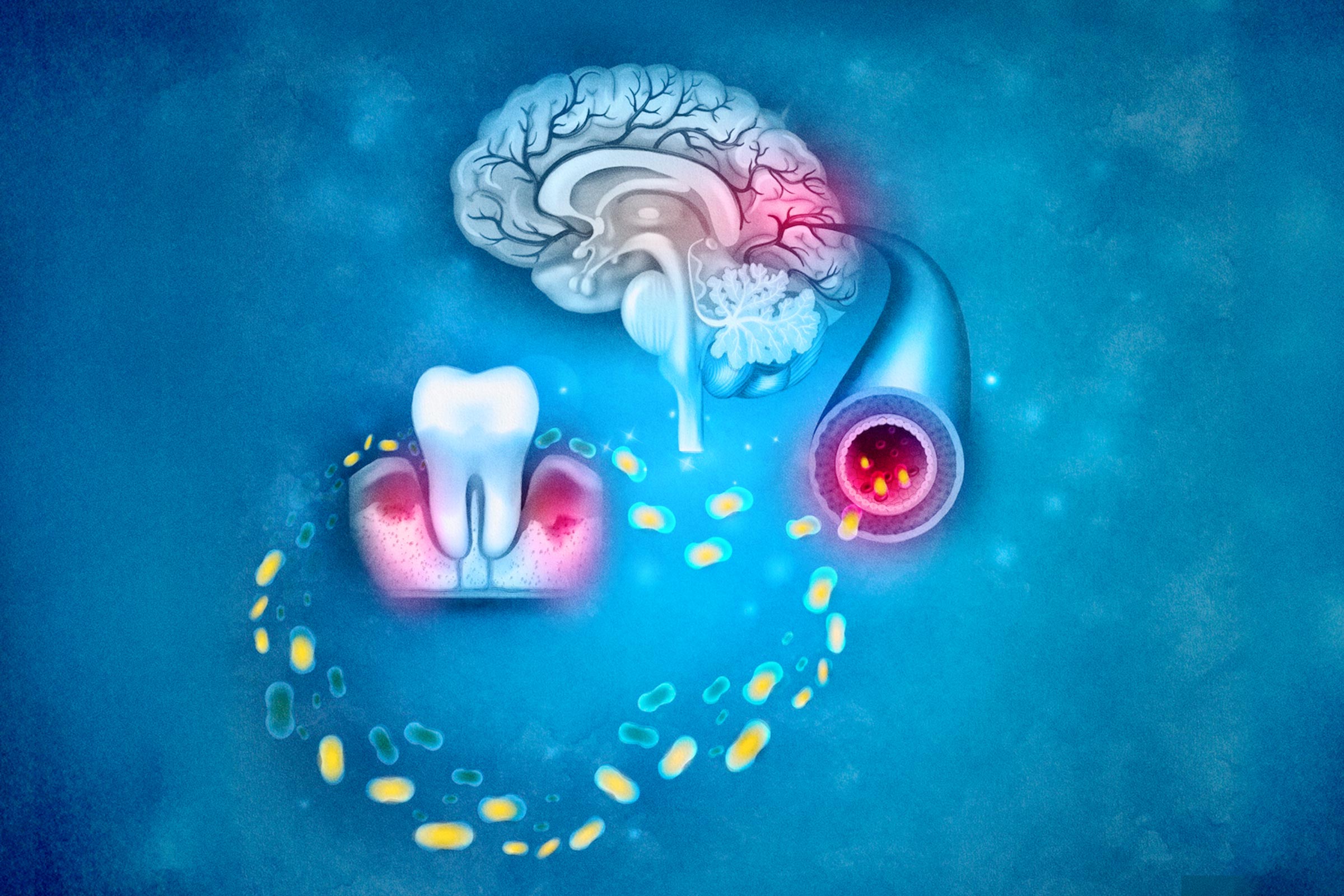
When oral health is compromised, harmful bacteria can enter the bloodstream through inflamed gums after chewing or brushing.
An overgrowth of harmful bacteria, known as dysbiosis, can be caused by gum disease or antibiotic use. Antibiotics can cause dysbiosis by wiping out beneficial bacteria along with the harmful bacteria. The loss of helpful microbes creates space for harmful or antibiotic-resistant bacteria to grow unchecked.
A healthy immune system typically clears bacteria out, but older adults with weakened immunity may struggle to eliminate harmful bacteria. Over time, bacteria and inflammation can disrupt the blood-brain barrier, leading to neuroinflammation, the buildup of toxic proteins such as amyloid-beta and tau, and changes in blood vessels—all of which are linked to Alzheimer’s.
Another way oral health appears to influence brain function is through the nitrate–nitrite–nitric oxide (NO) pathway. Beneficial oral bacteria help convert dietary nitrate into nitrite, which the body then turns into nitric oxide—a molecule essential for blood flow, nerve signaling, immune defense, and memory. As we age, the body naturally produces less nitric oxide, which may contribute to cognitive decline.
A January study suggests that imbalances in oral bacteria may precede the onset of dementia. Supporting beneficial microbes, such as Neisseria, which boost nitric oxide production, and reducing harmful ones, such as Prevotella, could help preserve brain health over time.
This raises the possibility that early changes in the oral microbiome could act as warning signs for cognitive decline—providing an opportunity to intervene before symptoms begin, L’Heureux, one of the study’s researchers, said.
Early Signs
How can you tell if your oral bacteria might be affecting your brain?
There are a few red flags to watch for, Angel Planells, registered dietitian nutritionist, told The Epoch Times. Chronic gum issues—such as gingivitis and periodontitis—persistent bad breath, bleeding or receding gums, and frequent mouth infections can all signal an imbalance in the oral microbiome. These are signs that harmful bacteria may be taking over.
Some dentists and specialty labs now offer oral microbiome testing, which can detect overgrowths of these harmful microbes, he said.
Specific patterns in oral bacteria, such as higher levels of Prevotella intermedia, might also serve as early warning signs for dementia risk. A 2020 review also found that saliva and oral plaque samples could offer simple, non-invasive clues about a person’s cognitive health.
Finally, subtle, unexplained cognitive changes such as memory lapses or brain fog, paired with poor oral health, hint at a deeper connection, Planells said.
How to Support a Healthier Oral Microbiome
“Targeting the oral microbiome could be a promising way to help prevent cognitive decline,” L’Heureux said.
That starts with good oral hygiene. Regular brushing, flossing, and dental check-ups go a long way toward keeping harmful bacteria in check, she said.
A 2020 study noted that these simple, inexpensive habits, together with treating gum disease, can help protect brain cells and preserve cognitive health, and may delay Alzheimer’s disease.
Diet matters, too. Cutting back on sugar and refined carbs can reduce the fuel that harmful bacteria thrive on, Planells said. At the same time, loading up on fibrous fruits and vegetables helps sweep away oral plaque and feeds the beneficial bugs.
Leafy greens and beets, which are high in dietary nitrates, may be especially helpful. These foods support the growth of helpful bacteria that boost nitric oxide, L’Heureux said.
Polyphenol-rich foods such as berries, green tea, and dark chocolate can help suppress harmful bacteria, Planells said. And don’t forget fermented foods such as yogurt, kefir, and sauerkraut. While they benefit the gut microbiome, they may also indirectly support the oral microbiome by enhancing immune function and microbial diversity.
Planells also recommends staying well-hydrated to keep saliva flowing, since it contains natural antimicrobial compounds. Avoid smoking and limit alcohol, both of which can disrupt the microbiome. Managing stress and getting enough restorative sleep are also key, as both affect immunity and oral health.
“And remember, not all bacteria are bad,” Planells said.
“A healthy oral microbiome is diverse. Using mouthwashes with strong antiseptics, alcohol, or harsh chemicals can wipe out both the good and bad bacteria, disrupting that balance.”
What About Genes?
Is it all about oral hygiene and bacteria, or do our genes have a say, too?
L’Heureux’s study found that people with mild cognitive impairment who carried the APOE4 gene had higher levels of harmful oral bacteria linked to dementia.
“Our genes might play a role in shaping which bacteria thrive in our mouths, and that, in turn, could influence brain health,” L’Heureux said.
It’s still unclear whether APOE4 directly alters the mouth’s environment or whether it’s part of a broader genetic influence on the microbiome, she stated.