People used to rely on salt, alcohol, sugar, and vinegar to keep food from going bad. These methods worked well enough but have changed over time. Today, we can buy bread that stays soft for weeks or meat that looks fresh days later, which might make you wonder if the new ways have gone too far.
Preservatives are now so common in packaged foods that most of us are barely aware of them. Yet some have been linked to hormone disruption, cancer, and other health concerns. With processed foods making up so much of the American diet, understanding how preservatives affect us could help shape the choices we make.
Food Preservatives Affect Health
“As a researcher in this area, a few preservatives that concern me most include benzoates, nitrates, nitrites, BHT [butylated hydroxytoluene], and BHA [butylated hydroxyanisole],” Elizabeth Dunford, a registered nutritionist and assistant professor at the University of North Carolina, told The Epoch Times.
Sodium benzoate is found in pancake syrups, fermented foods, fruit juices, pickles, and soda. When combined with vitamin C, it can form benzene, a carcinogenic compound, according to Dunford.
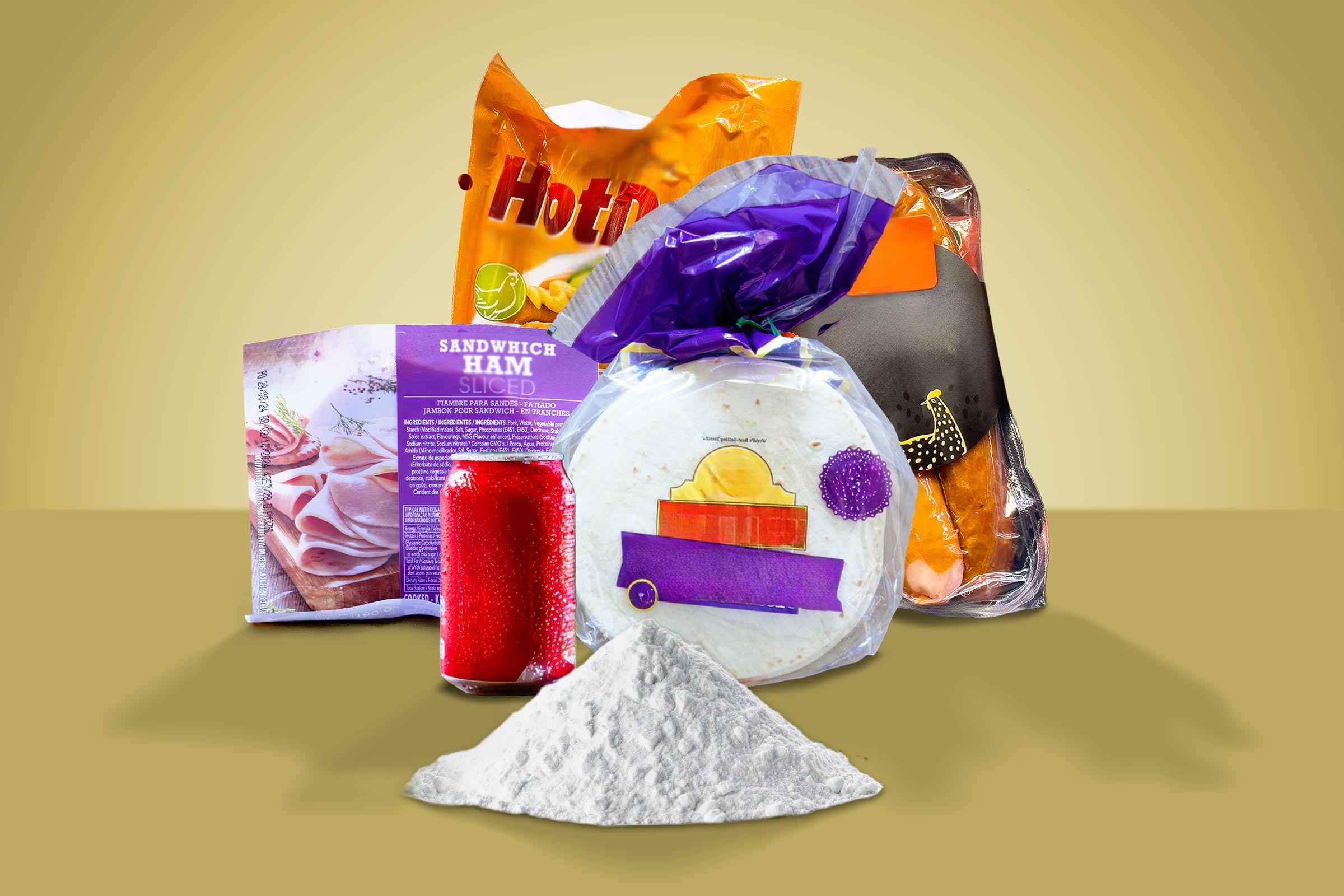
Sodium nitrate and sodium nitrite are added to cured or processed meats such as bacon, deli meats, and hot dogs to give them a red or pink color. Without nitrates, these foods would look gray. While nitrates and nitrites have antibacterial properties, long-term exposure has been linked to an increased cancer risk, Dunford said.
Nitrates have also been associated with a higher risk of developing Type 2 diabetes and contribute to hypertension.
BHA, an antioxidant that keeps food from going rancid, has been linked to hormone disruption and reproductive harm, and it has also been classified as a possible carcinogen in animal studies. BHA is found in preserved meats such as sausage and pepperoni.
BHT, which slows changes in a food’s flavor, color, and texture, is typically added to cereals. Repeated exposure to BHT and BHA has been linked to reproductive toxicity and hormone disruption, Dunford said.
Along with the above-mentioned preservatives, another preservative, which is found on the Environmental Working Group’s Dirty Dozen Guide to Food Chemicals, is parabens. The guide names the 12 food additives the Environmental Working Group considers most harmful so that you know which ones to watch for.
Parabens are used to extend the shelf life of foods such as trail mix, tortillas, and cinnamon rolls. However, parabens can disrupt hormones by imitating certain hormone functions, including gene expression and hormone signaling, which has led to reproductive harm in animal studies. Paraben use has also been linked to reduced sperm count and lower testosterone levels, affecting sperm quality.
With that said, some preservatives keep food fresh without posing a risk, such as ascorbic acid (vitamin C), vinegar, salt, and rosemary extract.
“Just because you can’t pronounce a preservative’s name doesn’t mean it’s unnatural or harmful,” Caroline West Passerrello, registered dietitian nutritionist and an expert in nutrition labeling and education, told The Epoch Times.
Limit Exposure
“The most effective way to reduce exposure without making eating overly complicated is to follow a diet rich in whole, minimally processed foods,” Raúl Bescós, associate professor of human nutrition and physiology at the University of Plymouth, told The Epoch Times.
A whole food diet may also help protect against the potential side effects of preservatives, according to Bescós.
Passerrello said: “Make high-impact swaps first: Cut back on nitrite-cured processed meats and choose fresh poultry, fish, tofu, beans, or roast your own meats. Save the hot dogs and deli meats for occasional use.”
As much as possible, focus on foods closest to their natural form. Even frozen vegetables fit this category, as the only ingredient is often the vegetable itself, according to Passerrello.
“Varying your diet and rotating foods also helps,” she said.
Switching up fruits and vegetables, alternating grains, or trying different proteins throughout the week is a good place to start.
Consider Ingredients
When eating whole foods isn’t possible—for instance, if you are eating out, relying on convenience foods, or lacking access to fresh options—staying informed and reading food labels carefully is key.
Many preservatives appear under multiple names. For example, sodium nitrite may go by the alias “curing salt.”
Also, checking the first few ingredients on the list is helpful. Short, recognizable lists usually mean fewer preservatives overall.
Frozen peas are a great example of a minimally processed food; the ingredient list usually reads, “peas.” The same goes for plain Greek yogurt, which often lists only “milk, live cultures.” While not every long list is harmful, choosing foods with fewer, simpler ingredients is an easy way to cut back on preservatives without overthinking it.
Other Tips
Making small, practical swaps to reduce overall preservative exposure could include the following:
- Make air-popped popcorn instead of microwaved popcorn.
- Shred block cheese instead of using pre-shredded cheese.
- Choose butter over margarine.
- Use maple syrup or natural honey instead of “pancake syrup.”
- Incorporate fresh herbs and spices instead of premade marinades or sauces.
- Choose plain chips and crackers more often than flavored options.
- Swap flavored yogurt for plain and add your own toppings.
- Make your own salad dressings, dips, or taco seasoning.
- Use fresh citrus or herbs to flavor sparkling water.
Food additives are a complex and evolving topic, according to Passerrello.
“Be a curious consumer,“ she said. ”Find out what terms really mean and understand the strength of the evidence behind any claims.”