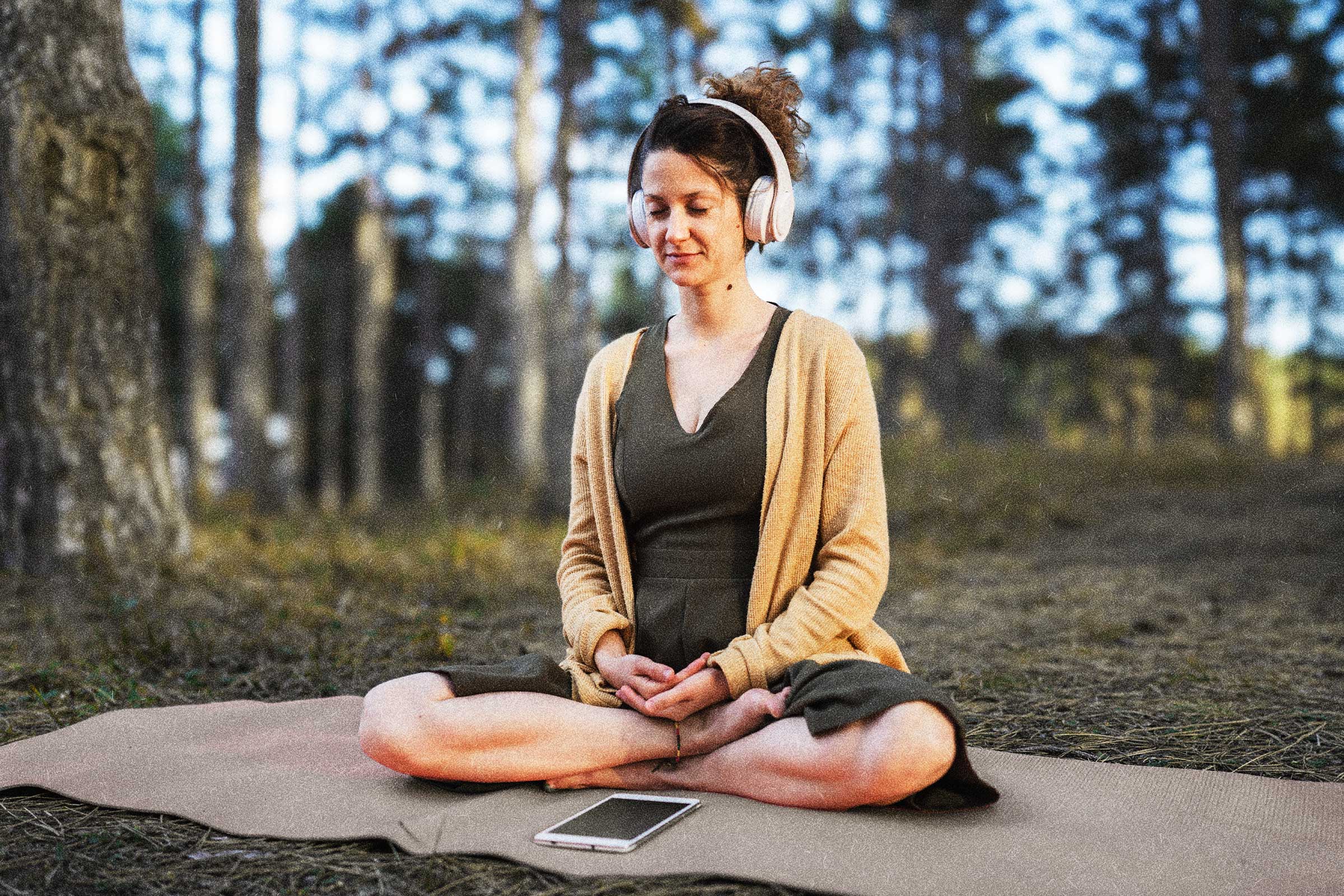
Mindfulness-based therapy offers significant relief for patients who remain depressed after failing to respond to conventional treatments, according to a new clinical trial.
The study found that remote mindfulness sessions improved depression symptoms, potentially offering new hope to hundreds of thousands of patients currently considered at the “end of the road” for psychological treatment options.
Measurable Benefits Comparable to Medication
The
study found that mindfulness-based cognitive therapy (MBCT), a form of mental health treatment that combines meditation practices with principles from cognitive behavioral therapy (CBT), significantly improved depression symptoms compared to the usual treatment.
MBCT combines meditation and mindfulness practices, such as self-compassion, with CBT, which helps individuals change negative thought patterns.
The trial involved more than 200 patients across the UK who had already received talk therapy and antidepressants but still struggled with depression.
Participants were divided into two groups. The intervention group received MBCT sessions in addition to standard treatment. These sessions focused on developing mindfulness skills and managing difficult emotions. The other group continued with their usual care, which included a combination of antidepressants and talk therapy.
Six months later, those who received MBCT showed greater improvements in their depression scores than those receiving standard care.
The group that received MBCT plus usual treatment had depression scores that were about 2.5 points lower on average on the Patient Health Questionnaire-9, a widely used screening tool for depression.
Remote delivery of MBCT can be “really effective,” especially for people who might not be able to attend in-person sessions because of location, time, or mental health struggles, Dr. Sanam Hafeez, neuropsychologist and director of Comprehend the Mind in New York, who was not involved in the study, told The Epoch Times.
“Being able to join from home could actually help some people feel more comfortable opening up,” she said. “If the sessions are structured well and the group is engaged, the impact could be just as strong.”
Why MBCT Works for Persistent Depression
MBCT is particularly helpful for people with recurrent or persistent depression, especially if they still have symptoms after standard treatment, Erik Larson, a board-certified psychiatric-mental health nurse practitioner and owner of Larson Mental Health, who was not involved in the study, told The Epoch Times.
It was originally developed to prevent relapse in those with multiple episodes of depression, because it teaches people how to relate differently to negative thoughts and emotions instead of trying to get rid of them.
While MBCT works best for those who ruminate or feel overwhelmed by stress, experts caution it requires emotional stability and consistent practice, making it unsuitable for patients in acute crisis or with psychotic symptoms.
“[MBCT] helps people to recognize negative, self-critical thoughts as thoughts, rather than as facts and so helps to lessen their emotional impact,”
said co-author professor Clara Strauss from the University of Sussex. “It helps people to be more accepting of their difficult experiences and to be kinder to themselves.”
Hafeez said MBCT could be combined with other treatments.
“A lot of people already take medication, and this could give them extra support,” she said. “It doesn’t replace therapy like CBT but adds another layer. Some might even find it helps them rely less on medication over time.”
Treatment-resistant depression affects about 30 percent of all people diagnosed with major depressive disorder.
Mary Ryan, a patient adviser and co-author who has worked with the research team from the start, emphasized in a
statement the significance of these findings for patients who have previously exhausted their treatment options.
She said people have often been told that they’ve reached the “end of the road” for psychological treatment, and there are no other options for them.
“The findings of this trial are hugely important because we’re telling this group of people that they still matter—that there’s something else we can try that may work for them,” she said.