The gut microbiome influences everything from digestion and immunity to mood and energy. Yet most Americans eat far fewer probiotic foods than their great-grandparents did. Fermented foods were once a daily staple, but today, they are the exception.
Water kefir is a naturally fizzy, dairy-free probiotic drink made with water, sugar, and live kefir grains. The sugar feeds the grains, with most of it consumed during fermentation. Once the grains are active, a fresh batch can be ready in about 24 hours, and a second ferment allows endless flavor variations. In this version, lemon and ginger add a bright flavor.
How Drinking Water Kefir Supports Your Health
Researchers have found that regularly drinking kefir can increase beneficial gut bacteria, including Lactobacillus and Bifidobacterium, while reducing levels of Streptococcus mutans, a primary contributor to cavities. Water kefir intake has also been associated with higher levels of short-chain fatty acids produced by gut bacteria. These compounds help nourish the cells lining the gut. A healthier gut lining acts as a better barrier, reducing the chances that unwanted substances cross into the bloodstream and trigger inflammation.
Kefir grains are not actually grains, but soft, jelly-like clusters of bacteria and yeast that feed on sugar and produce the gentle fizz and live cultures in this drink. The distinct symbiotic culture of bacteria and yeast (different from milk kefir grains) is typically sold fresh or dehydrated by fermentation suppliers.
If you are new to fermented drinks, start with a small serving of about 2 ounces to 4 ounces once or twice per day and increase slowly as tolerated. Those who are immunocompromised, pregnant, or living with significant chronic conditions should check with a qualified healthcare provider before adding home-fermented beverages such as water kefir to their diet.
How to Make Water Kefir: Activation and Basic Fermentation
(Terri Ward/The Epoch Times)
For best results and safety, always use clean, well-rinsed jars and utensils when making water kefir, and discard any batch if the grains have disintegrated or if you notice unusual colors, visible mold, or off smells. Do not let your grains come into contact with anything except your equipment and the sugar water or sugar dissolved in plain, unsweetened coconut water.
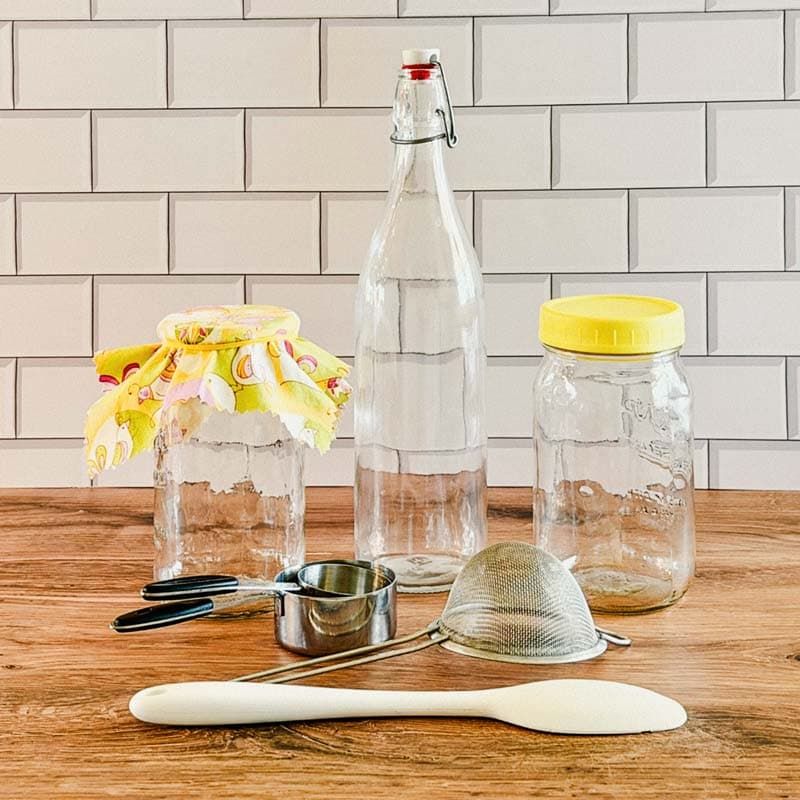
Equipment Needed
1 quart-size glass jar
Breathable jar cover, such as a clean cloth, coffee filter, or a few layers of cheesecloth secured with a jar ring or rubber band
Fine-mesh strainer (plastic, nylon, or stainless steel)
Wooden, plastic, or silicone spoon
Measuring cups
Swing-top glass bottle (28 to 32 ounces) or another quart-size jar with a plastic lid
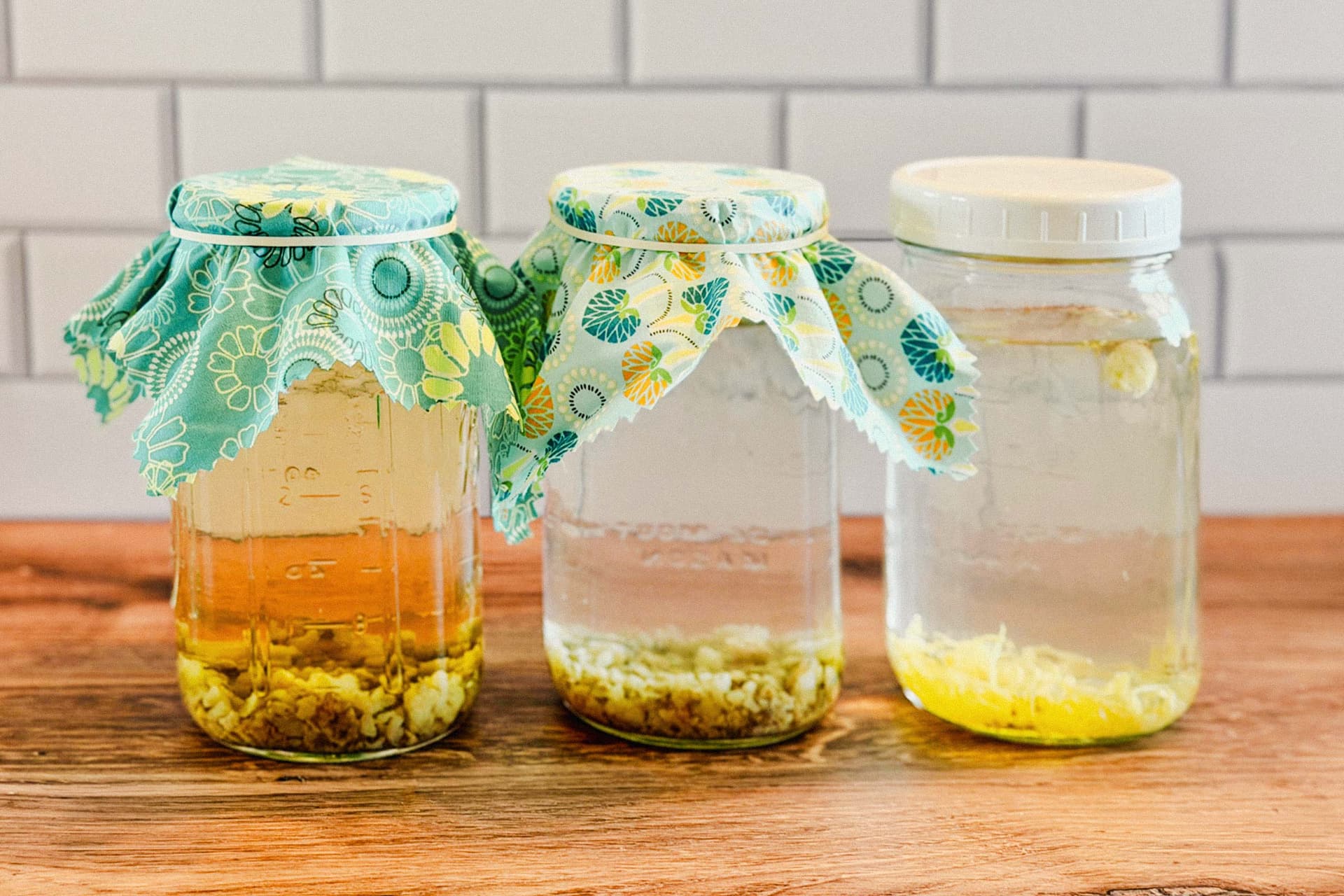
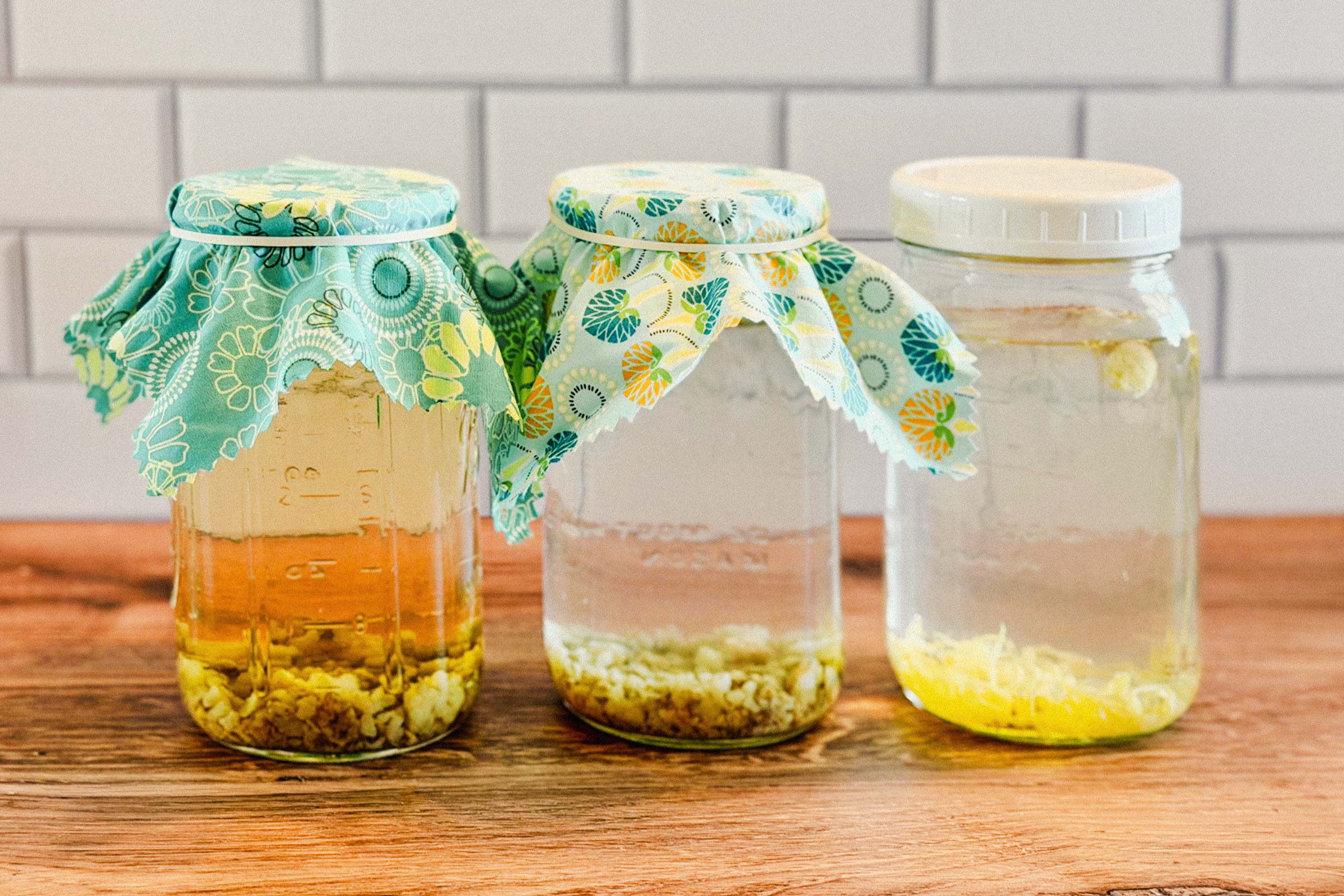
The three stages of making water kefir (from left to right): First, activate the grains. Second, ferment sugar water. Finally, add flavor and carbonate (optional). (Terri Ward/The Epoch Times)
Water kefir is made in three simple stages. First, you activate the grains to wake them up so they start feeding on sugar. Second, you ferment fresh sugar water to make the base water kefir. Third, if desired, you add flavorings and do a short second ferment to build natural carbonation.
Phase 1: Activate the Grains
In this first phase, you are waking up and hydrating the grains. This activation soak helps the grains adjust to your kitchen and water. The sugar water used in this phase is not meant for drinking.
Ingredients
1/4 cup organic cane sugar
3 1/2 cups nonchlorinated water (see note)
2 to 4 tablespoons water kefir grains
Instructions
Add the sugar to the jar and stir in 1/2 cup of hot water until the sugar dissolves.
Add three cups of cool water. Add the water kefir grains. Cover the jar with a clean cloth or a few layers of cheesecloth secured with a jar ring or rubber band. Do not ferment with a tightly sealed lid; the kefir needs to release gases as it cultures, and an unsealed cover will help prevent pressure buildup.
Let the grains sit at room temperature for about two to three days, according to the package directions. You may notice a few small bubbles or a slightly yeasty aroma as the grains are waking up, though bubbles may take a few cycles.
Strain out the grains and discard the liquid. This soak activates the grains; it’s not for drinking. Do not rinse the grains.
Note: For a more mineral-rich base, use plain, unsweetened coconut water instead of water during the activation phase. The kefir grains use their natural sugars and minerals to wake up and begin fermenting. Because this liquid is used only to activate the grains, it should be discarded.
Phase 2: Ferment the Kefir
Once your grains are active, the main fermentation step transforms sugar water into naturally probiotic water kefir. As the grains ferment the sugars, they produce organic acids, carbon dioxide, and other fermentation byproducts that create a gently sweet, refreshing drink you can enjoy as-is or use for a second ferment.
Makes 3 1/2 cups
Ingredients
1/4 cup sugar (organic cane)
1 pinch of sea salt (optional to feed the grains extra minerals)
3 1/2 cups nonchlorinated water
2 to 4 tablespoons activated water kefir grains
Instructions
In a clean jar, dissolve 1/4 cup sugar and salt in 1/2 cup hot water, then add 3 cups of cool water. Add the activated grains and cover as in phase one.
Let it culture at room temperature for 24 hours. If the liquid is still clear and very sweet, give it another 24 hours. It should look slightly cloudy, smell pleasantly yeasty or fruity, and taste lightly tangy. If it turns pink, red, orange, green, or black, discard the grains and start over.
Strain the liquid into a jar or bottle. For drinking, store it in the refrigerator. For a second ferment, proceed with phase three.
Use the grains to start another batch or refrigerate until needed.
Phase 3: Second Ferment (Optional for Flavor)
The optional second ferment begins after the kefir grains are strained out. Add flavorings, then leave the bottled kefir at room temperature to develop natural carbonation and a lightly fizzy, flavored taste.
Lemon-Ginger Water Kefir
Makes 3 1/2 cups
Ingredients
3 1/2 cups fermented water kefir
1 tablespoon organic lemon zest (see note)
1-inch piece of fresh ginger, thinly sliced
Instructions
Pour the fermented water kefir into a clean jar or swing-top bottle, leaving about 1 to 2 inches of headspace so pressure doesn’t build up.
Add the lemon and ginger.
Secure the cap or plastic lid and leave at room temperature for one to three days. Briefly crack the lid once a day to check the pressure and monitor the carbonation. Once it has reached your preferred level of fizz, refrigerate it to slow further fermentation. Keep in mind that releasing pressure may reduce the final carbonation.
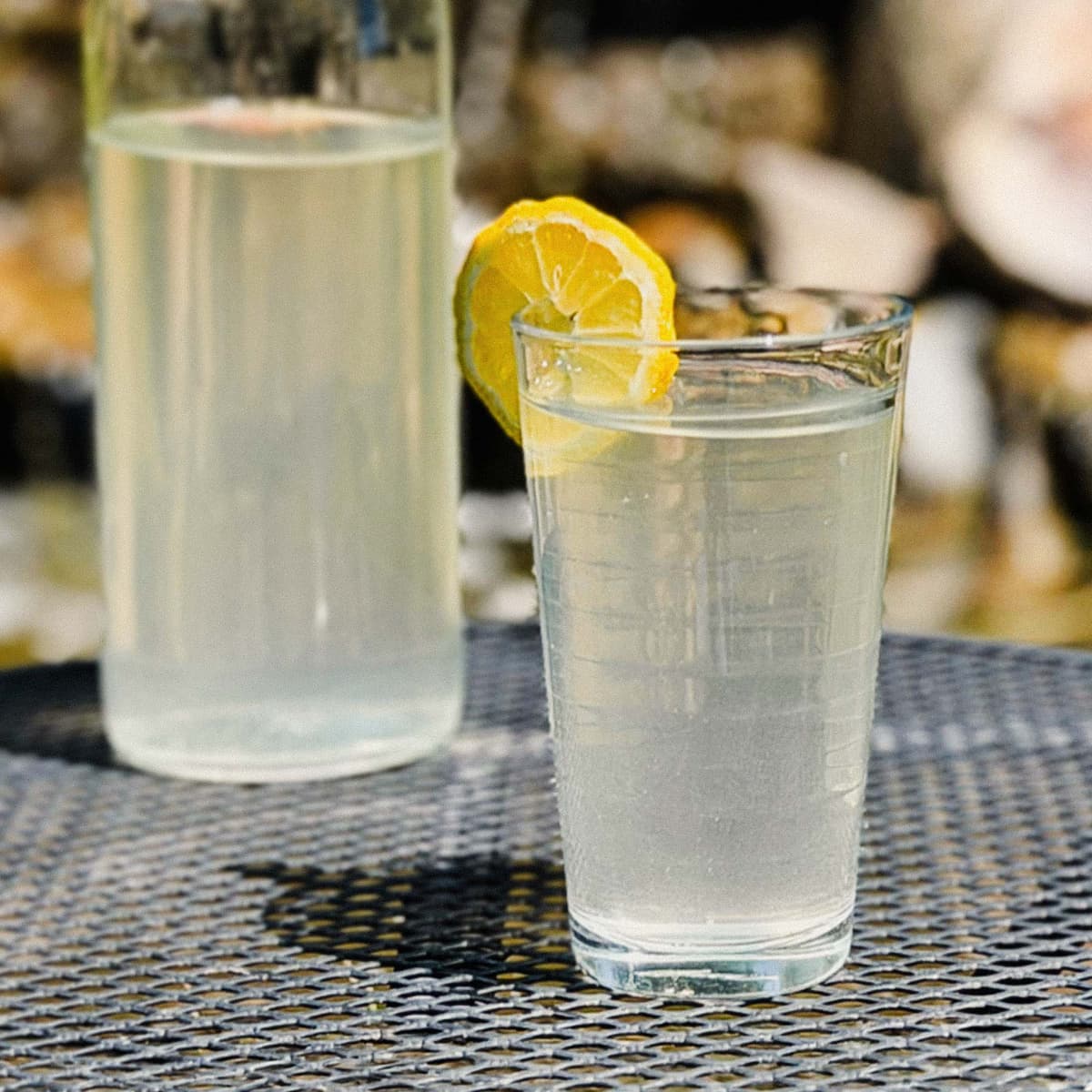
Strain out the lemon and ginger, and serve cold.
Note: Lemon zest adds bright lemon flavor without as much acid and sugar as juice, keeping it pleasantly tangy rather than sharply sour.
Easy Flavor Ideas for the 2nd Ferment
Lemon-ginger is just one of many flavor options. Consider adding these to a batch:
Hibiscus (Jamaica): 1 to 2 teaspoons dried hibiscus flowers and 1 to 2 teaspoons sugar, for a bright, tart, pink kefir. Optional: Add four to six thin slices of fresh ginger for extra zip.
Vanilla-Date ‘Cream Soda’: 1 to 1 1/2 teaspoons vanilla extract and two pitted Medjool dates—softened in a little hot water, then cooled—for a sweet, almost cream‑soda flavor.
Orange-Vanilla ‘Creamsicle’: For a creamsicle‑style kefir without using juice, add several strips of organic orange zest, 1 teaspoon vanilla extract, and two pitted Medjool dates—softened in a little hot water, then cooled.
Tea Infusion: One herbal tea bag, such as peppermint, berry, peach, or another favorite.
Herbal Infusion: A handful of fresh herbs, such as mint, nettle, or red raspberry leaf.
Citrus: Peels (no white pith) from an orange, lemon, lime, grapefruit, or a combination.
Tip: Water kefir usually contains enough residual sugar after the first ferment to carbonate during the second ferment. Flavorings that contain natural sugars, such as dates, usually do not need additional sugar. If your kefir tastes very dry or you want extra fizz, add 1 to 2 teaspoons of sugar when using unsweetened flavorings such as herbs, tea, hibiscus, or citrus peel.
(Terri Ward/The Epoch Times)
Frequently Asked Questions
Q: Where can water kefir grains be sourced?
A: Grains can be obtained from fermentation suppliers, local fermentation groups, or people already culturing water kefir. If purchasing online, look for a company with good reviews, clear activation instructions, and ongoing customer support.
Q: How long do water kefir grains and finished water kefir keep?
A: With proper care, water kefir grains can last indefinitely. Store them in sugar water in the refrigerator between batches, refreshing the water every one to two weeks. The grains should multiply over time and can be shared or composted. Finished water kefir keeps up to two weeks in the refrigerator, although flavor and carbonation are best within the first few days.
Q: Is water kefir safe for everyone?
A: People with histamine intolerance are often advised to avoid or limit fermented foods, including water kefir, because fermentation can increase histamine levels. Those with compromised immune systems or serious digestive conditions should consult a healthcare provider before adding fermented foods to their routine. Most others should start with a small amount and increase gradually to allow the digestive system to adjust.
Q: Do I have to keep the grains going, or can I take a break?
A: After three to four weeks of active culturing, the grains can be put on pause.
For a short break (up to three weeks), refrigerate grains in sugar water (1/4 cup sugar dissolved in 1 quart of water).
For a long break (up to six months), rinse the grains with filtered water, lay them on unbleached parchment, and dry at room temperature for three to five days in a safe location or in a dehydrator at or below 85 degrees Fahrenheit. Store the dried grains in an airtight container or zip-seal bag in the refrigerator. When ready to use again, reactivate as described in phase one.
Q: Why is my water kefir not fermenting?
A: Newly activated grains often need several batches before they ferment vigorously, especially after shipping or storage. Cool room temperatures can also slow fermentation, so aim for between 70 degrees and 78 degrees Fahrenheit. Highly purified water, including distilled or reverse-osmosis water that has not been re-mineralized, lacks the minerals the grains need to thrive. If fermentation remains sluggish, try switching sugar brands. Some grain suppliers report better results with different sugars, even among organic options.
Q: Why is my water kefir not getting fizzy?
A: If your first ferment tastes lightly tangy and less sweet but the second ferment still isn’t fizzy, make sure that you are using a tightly sealed, fermentation-safe bottle and allowing enough time at room temperature for pressure to build before refrigerating. If you use reverse-osmosis water, follow your grain supplier’s recommendations for re-mineralizing it, since low-mineral water can weaken fermentation and reduce carbonation.