For thousands of years, Mediterranean cultures have treasured olive oil—not only as a culinary staple, but also as a symbol of health and longevity. Ancient Greek physicians such as Hippocrates praised it for its healing powers.
Today, modern research is catching up, revealing that olive oil—especially the extra-virgin kind—may play an important role in protecting your brain from decline well into old age. So what exactly makes this golden liquid so special, and how can it help you stay mentally sharp?
Protects the Brain
Regularly consuming olive oil has been
linked to better brain function and a lower risk of neurodegenerative diseases, particularly in older adults. The benefits are largely a result of olive oil’s high content of polyphenols—natural compounds that help combat oxidative stress and inflammation, two key drivers of conditions such as Alzheimer’s disease and Parkinson’s disease. Oxidative stress can damage neurons and disrupt communication between them, while inflammation can speed up the loss of neurons and worsen memory and movement problems.
One standout polyphenol, hydroxytyrosol, can even cross the blood-brain barrier and reach brain tissue. This action reduces the buildup and toxicity of abnormal proteins involved in neurodegenerative diseases.
Dr. Margarita Mikhaylova, a board-certified neurologist specializing in clinical neurophysiology and certified in functional medicine, told The Epoch Times that animal studies show that hydroxytyrosol tends to accumulate in the hippocampus—a brain region essential for learning, memory, and emotional regulation, and one that is often damaged in depression.
Olive oil may also benefit the brain by supporting the gut.
“We are beginning to understand that intestinal health and the gut microbiome are important factors in the development of certain neurodegenerative conditions via the gut-brain axis,” Mikhaylova said.
Extra-virgin olive oil helps encourage the growth of beneficial gut bacteria and supports the gut’s mucosal immune system, both of which promote healthy communication between the gut and brain, she said. This healthy communication plays an important role in brain function.
These gut- and brain-related mechanisms make olive oil a promising tool for protecting cognitive health and potentially slowing neurodegeneration. Olive oil can enhance cognitive performance across several domains, including global cognition, verbal fluency, and memory. Long-term consumption could even help delay the onset of mild cognitive impairment and reduce the risk of Alzheimer’s disease.
However, to truly enjoy the benefits, it’s important to pay attention to the quality of the oil you choose and how you use it.
Choose Wisely
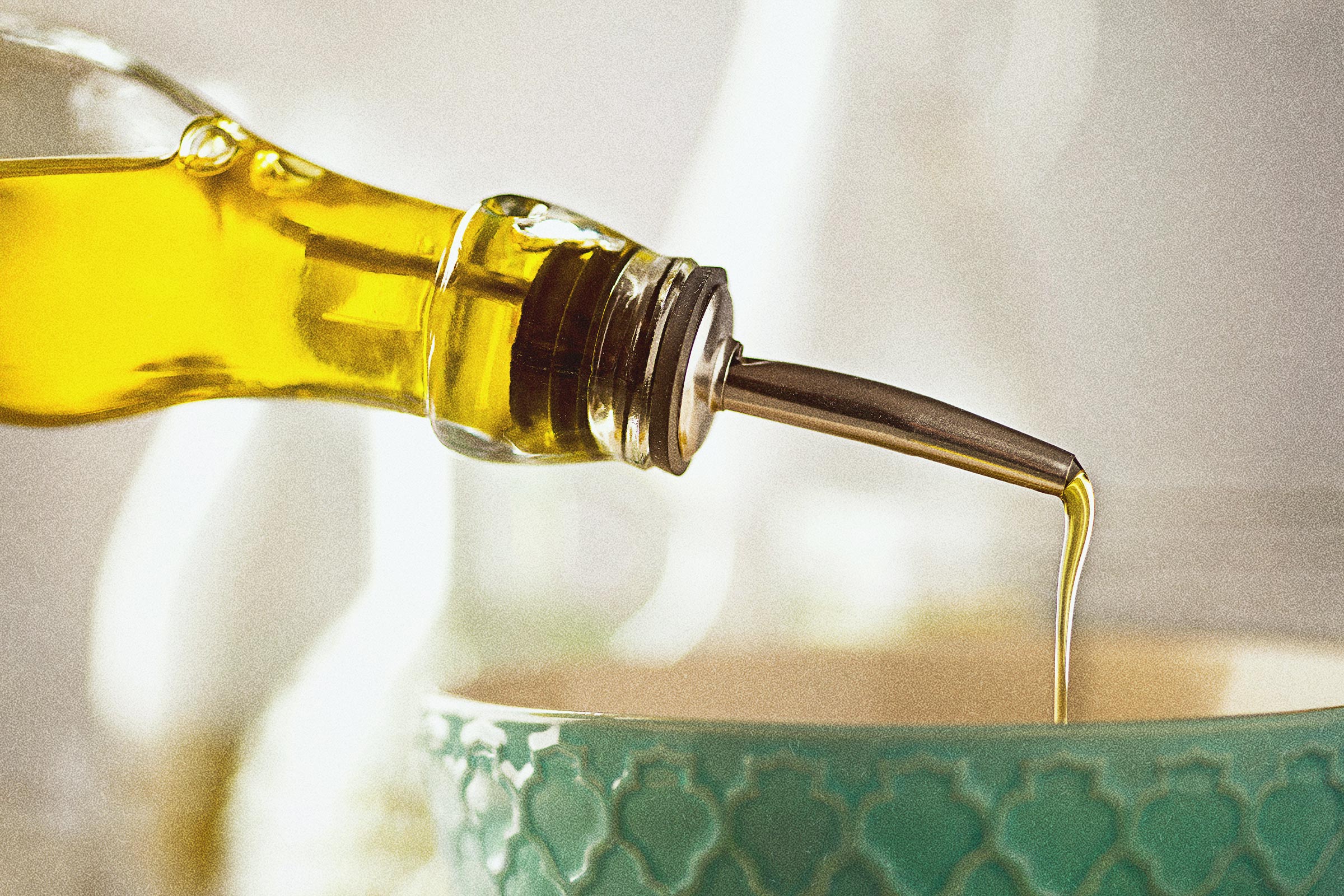
To get the full health benefits of olive oil, quality and handling make all the difference. Choosing extra-virgin or cold-pressed varieties ensures that the oil hasn’t been exposed to heat or chemicals during extraction. This helps preserve antioxidants and healthy fats, which are often lost in more heavily processed oils.
To retain these nutrients, how you store and use the oil also matters.
“Keep olive oil in dark bottles, away from heat and light, and try to use it raw or lightly heated,“ Mary Curristin, nutritionist from ART Health Solutions, told The Epoch Times. ”That’s the best way to enjoy its full range of benefits.”
How much olive oil do you actually need to see these brain benefits?
Get Enough for Brain Benefits
Even small amounts of olive oil each day may make a difference for brain health. A long-term
study of more than 90,000 U.S. adults over 28 years found that people who had more than 7 grams—a little more than half a tablespoon—of olive oil daily had a 28 percent lower risk of dementia-related death. Simply swapping out 5 grams of mayonnaise or margarine for olive oil was linked to a 14 percent and 8 percent lower risk of dementia, respectively.
Olive oil works best as part of a broader, balanced diet.
“When I counsel patients with mild cognitive decline, I often recommend the MIND [Mediterranean-DASH Intervention for Neurodegenerative Delay] diet,” Mikhaylova said.
This eating plan blends the Mediterranean and Dietary Approaches to Stop Hypertension (DASH) diets and emphasizes polyphenol-rich foods such as olive oil, leafy greens, beans, nuts, and vegetables to help protect against cognitive decline, she noted. The DASH diet focuses on fruits, vegetables, whole grains, and low-fat dairy.
Incorporating olive oil into your daily meals can be both simple and delicious.
Enjoy Every Day
Curristin loves drizzling extra-virgin olive oil over salads and roasted vegetables to add flavor and nutrients. She also stirs it into hummus or other bean-based dips, uses it in homemade salad dressings, and pours it over fresh sourdough bread for a simple, satisfying snack.
Julie Stefanski, registered dietitian and spokesperson for the Academy of Nutrition and Dietetics, recommends making your own salad dressing with olive oil.
“It’s quick, the ingredients keep well, and you can make just the amount you need, so nothing goes to waste,” she said.
A classic vinaigrette follows a simple three-to-one ratio—three parts olive oil to one part vinegar. For a single serving, try mixing 1 tablespoon of extra-virgin olive oil with 1 teaspoon of balsamic or flavored vinegar. Then toss in fresh or dried herbs such as oregano, thyme, or basil for extra zing, Stefanski said.
Beyond salads, olive oil can be drizzled over grilled fish or steamed vegetables, stirred into grain bowls or pasta, or used as a finishing touch on soups. You can also add it to roasted nuts or sprinkle it over avocado toast for a creamy, brain-healthy boost.