
In 2023, Jesse Ramos dreamed about his grandmother. She told him to get himself together. The next morning, he quit drinking.
Exercise soon became part of his new routine. After nearly two decades of relying on alcohol, overeating, and endless scrolling to cope with stress, he found that movement gave him another way to feel better.
“I didn’t know the science—I just knew it made me feel amazing,” Ramos, now a fitness trainer in New York City, told The Epoch Times.
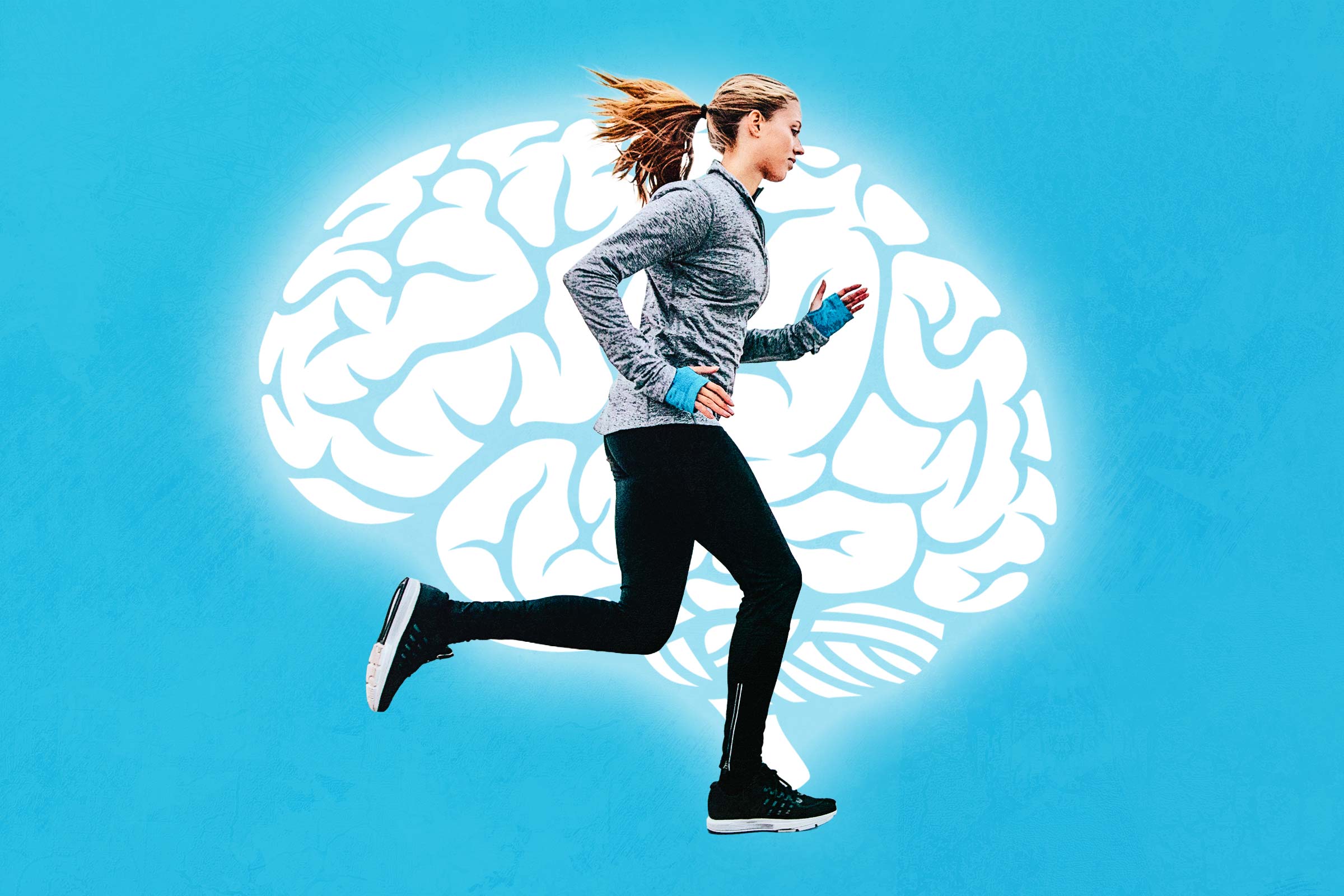
His experience points to something researchers are increasingly exploring: Exercise changes more than muscles and cardiovascular fitness. A single workout can influence mood and mental performance, while regular movement supports adaptations that may help preserve brain health over time.
The benefits unfold on overlapping timelines—from how you feel after a walk to how well your brain withstands aging.
The First Few Minutes
Within minutes of starting to exercise, the body’s energy demands spike. To meet this demand, the nervous system switches into an “active mode,” also known as the fight-or-flight response.
“The first thing that happens is that brain chemistry begins to change and electrical activity increases,” Patrick Porter, a neuroscientist and founder of BrainTap Technologies in New Bern, North Carolina, told The Epoch Times.
“This shift helps the body stay balanced by increasing blood flow and oxygen, which in turn fuels the neurons,” he said.
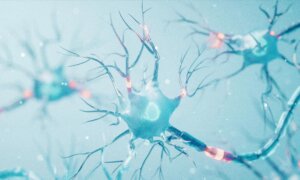
As blood flow and oxygen increase, the brain releases a cascade of neurochemicals—including dopamine for motivation, serotonin for mood regulation, and norepinephrine for focus. Research shows that your brain doesn’t stay the same before and after exercise. Even a short workout can temporarily change how it performs, from focus to memory, in ways you might not immediately notice.
“Together, these changes may help explain why people often feel mentally sharper and more energized during or after a workout,” Porter said.
That dopamine response is the mechanism behind the “runner’s high”—and it’s also, according to Dr. Mill Etienne, vice chancellor and professor of neurology and medicine at New York Medical College, why people struggling with addiction are often chasing the same chemical boost.
Studies show that people who are more physically active tend to be happier and more satisfied with their lives across all age groups. A 2020 study of 2,345 healthy adults found that those with moderate or high levels of physical activity reported greater life satisfaction and happiness than those with low activity levels, even after accounting for demographic factors.
For Ramos, the overlap of runner’s high and the addiction reward system was the whole story. “I would eat to feel good and drink to feel numb. I didn’t have the framework to understand what I was doing to my body,” he said.
What he later came to understand as dopamine dysregulation—stress dampening the brain’s normal reward response—was exactly what Porter described: “The brain loves the reward system—the dopamine.” Stress, he said, can dampen the brain’s dopamine response, but exercise may help restore it, allowing the brain to function more naturally.
Exercise gave Ramos a different response to stress—one he wanted to return to.
Months In
A single workout changes brain chemistry temporarily. Consistency changes the brain itself.
Regular exercise appears to stimulate neurogenesis—the growth of new neurons in the brain. “What we see in sedentary brains is reduced blood flow to the frontal lobe,” Porter said. “Our modern lifestyle—sitting, screens, and less movement—doesn’t challenge the brain the way it used to.”
“Exercise provides that challenge. Without it, stress accumulates, and stress often shows up in the brain first,” he said. The frontal lobe governs decision-making, emotional control, and memory, and exercise helps shift the body into a calmer recovery state.
Exercise also appears to reduce inflammation, which matters because chronic inflammation has been linked to depression. One review found that exercising consistently for eight to 12 weeks lowered certain inflammatory markers linked to depressive symptoms.
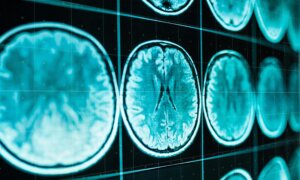
Over time, these changes show up on brain scans. In a 2024 study of more than 10,000 adults, people who exercised more often tended to have slightly larger brain volumes. Larger brain volume refers to a greater amount of brain tissue, which has been associated with better performance on thinking ability tests and other measures of cognitive function.
“We also find that people who are athletic tend to have more well-developed brains,” Etienne said. “If you have higher brain volumes, you’re preserving more brain cells, which impacts overall brain function.”
Sedentary behavior, by contrast, is linked to a smaller hippocampus (the brain’s memory center) and more damage to white matter, which helps different brain regions communicate.
None of this happens from sporadic effort, Mark Kovacs, an exercise physiologist and human performance scientist based in Atlanta, told The Epoch Times via email. From a brain health standpoint, it’s the repeated stimulation of the nervous system over time that drives lasting change.
“I often tell executives and athletes: It’s better to be consistently good than occasionally great,” he said. “A moderate, sustainable routine performed regularly will outperform sporadic high-intensity efforts when it comes to cognitive health.”
Years In
Years of regular exercise may help the brain remain better equipped to learn, adapt, and respond to new demands.
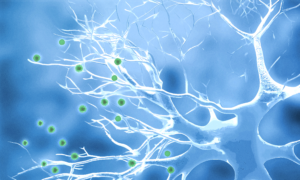
Exercise supports proteins such as BDNF, which helps brain cells grow and communicate, providing part of the biological foundation for these changes. “Practically speaking, this means improved learning, faster skill acquisition, and better adaptability,” Kovacs said. “In high performers, it shows up as quicker skill refinement and sustained mental sharpness.”
Research has found that exercise helps protect the brain and builds what is known as “cognitive reserve”—a buffer that makes the brain more resilient to damage and disease later in life.
“You can think of cognitive reserve like a bank account. It’s good to have some savings for emergencies,” Etienne said. “If you have nothing saved and something happens, you’re in trouble.” He pointed to “sundowning,” the confusion some older adults experience in the evening, as an example—more reserve means the brain handles those changes better.
The improved circulation through exercise helps support the brain’s natural waste-clearing system, known as the glymphatic system. This may help remove toxins that build up in conditions like Alzheimer’s disease in the form of abnormal proteins such as amyloid. That’s part of why, according to research, people who stay physically active in midlife and beyond tend to have a lower risk of dementia.
In a February randomized controlled trial, researchers followed 309 adults for two years. They found that moderate and heavy resistance training was linked to a younger-looking brain on brain scans, with the estimated brain age about 1.4 to 2.3 years younger than expected. Heavy resistance training also improved communication between areas of the brain involved in higher-level thinking.
“Without exercise, people become reliant on medications for blood pressure, diabetes, and cholesterol—all of which can damage the brain. Exercise helps prevent these conditions,” Etienne said. “You can see two people at age 80 who look very different. Those who are active handle aging much better.”
What Kind of Exercise Works Best?
Exercise doesn’t have to be extreme. A useful routine starts with movement you can sustain.
Even low-intensity activity like walking can be valuable, especially for immediate cognitive benefits such as mood, stress, and creativity, Kovacs said. “We’ve seen that even a 10 to 20 minute walk can improve mental clarity and idea generation.”
However, while lighter movement supports recovery and day-to-day brain function, moderate and high-intensity exercise may produce stronger effects on fitness, neuroplasticity and other brain-related markers. “It’s not either-or,” Kovacs said. “It’s about combining both strategically.” He recommends keeping movement consistent throughout the week, even in small amounts, while mixing in two to three higher-intensity workouts when possible.
“Do not start with extreme workouts,” Etienne said. “Find something you enjoy and build gradually. And if you haven’t exercised in a while, consult your doctor first.”
Ramos has now lost 90 pounds, but the change he describes extends beyond his weight.
He didn’t know the neuroscience around exercise when he started; he just knew movement felt like the reset his brain had been starving for. He knows it now: Regular exercise helped regulate his cortisol, ease his inflammation, and “teach his brain new pathways to happiness.” Feeling mentally strong made him feel capable in other areas.
What began with his grandmother’s message in a dream became a habit he could build on, one workout at a time.
“Life is precious, and time is fleeting,” Ramos said. “Energy is currency. Where you spend it determines how full you feel.”