When Colin Cooper, a 45-year-old business expert, started experiencing brain fog and low energy in his 30s, he brushed it off as stress or just part of getting older. He felt moody for no clear reason, often forgot where he’d placed things, and sometimes noticed a strange tingling in his hands that made him feel uneasy.
With a background in neuroscience and human behavior, Cooper eventually decided to look into what might be going on. That’s when he discovered he was consistently falling short on protein, and things began to make sense.
Protein isn’t just essential for building muscle. From the earliest stages of development, it supports the structure and function of the nervous system, helping a child reach their full cognitive potential later in life. And throughout adulthood, protein continues to fuel critical brain processes such as neurotransmitter production, cellular signaling, neuroplasticity, and nerve cell repair.
“Subclinical protein deficiencies may show up as reduced attention span, poorer working memory, slower processing speed, and overall impaired cognitive performance—signs of what’s known as executive dysfunction,” Timothy Frie, a neuronutritionist and founder of the National Academy of Neuronutrition, told The Epoch Times.
Research shows that protein deficiency early in life may lead to lower levels of key brain chemicals. Eating enough protein, on the other hand, has been linked to a lower risk of developing subjective cognitive decline later in life.
Neurotransmitter Production
Protein provides amino acids, which are the building blocks for neurotransmitters such as serotonin and dopamine, as well as for neuromodulators—chemicals that modulate neuron activity over time. Unlike neurotransmitters, which transmit fast, direct signals between neurons, neuromodulators affect broader networks of neurons and have longer-lasting effects. Some neuromodulators can also function as hormones depending on their actions in the body.
These chemicals are necessary for nerve signaling and brain function, helping nerve cells communicate with each other and with the rest of the body. This communication allows us to move, think, and feel.
During digestion, protein is broken down into amino acids, and research shows that the balance of these amino acids in our diets affects how well neurotransmitters are produced and how they function.
“These are the chemicals that regulate our mood, motivation, focus, and resilience to stress,” Kacy Shea, a functional diagnostic nutrition practitioner, neuronutritionist, and certified brain health coach, told The Epoch Times in an email. “When we don’t get enough protein, we risk harming our cognition, mental health, and both short- and long-term brain function.”
For example, tryptophan, found in protein, helps make serotonin, which regulates mood and sleep. Researchers conducting an online study involving 482 participants found that those who ate more tryptophan-rich foods felt less depressed and performed better on tasks measuring their ability to understand others’ emotions.
Tryptophan also supports the production of melatonin, a hormone that helps regulate the sleep-wake cycle and promotes restful sleep.
Another important amino acid, tyrosine, helps produce dopamine and norepinephrine. Dopamine is involved in movement, motivation, pleasure, and attention, while norepinephrine regulates alertness, blood pressure, and is also part of the stress response.
“When you consume the amino acid tyrosine, you’re supporting the brain chemicals that help you feel excited to start your day, motivated to work and exercise, more sociable, more focused, and able to experience desire and enjoyment in all areas of life,” Frie said.
Nerve Cell Structure and Repair
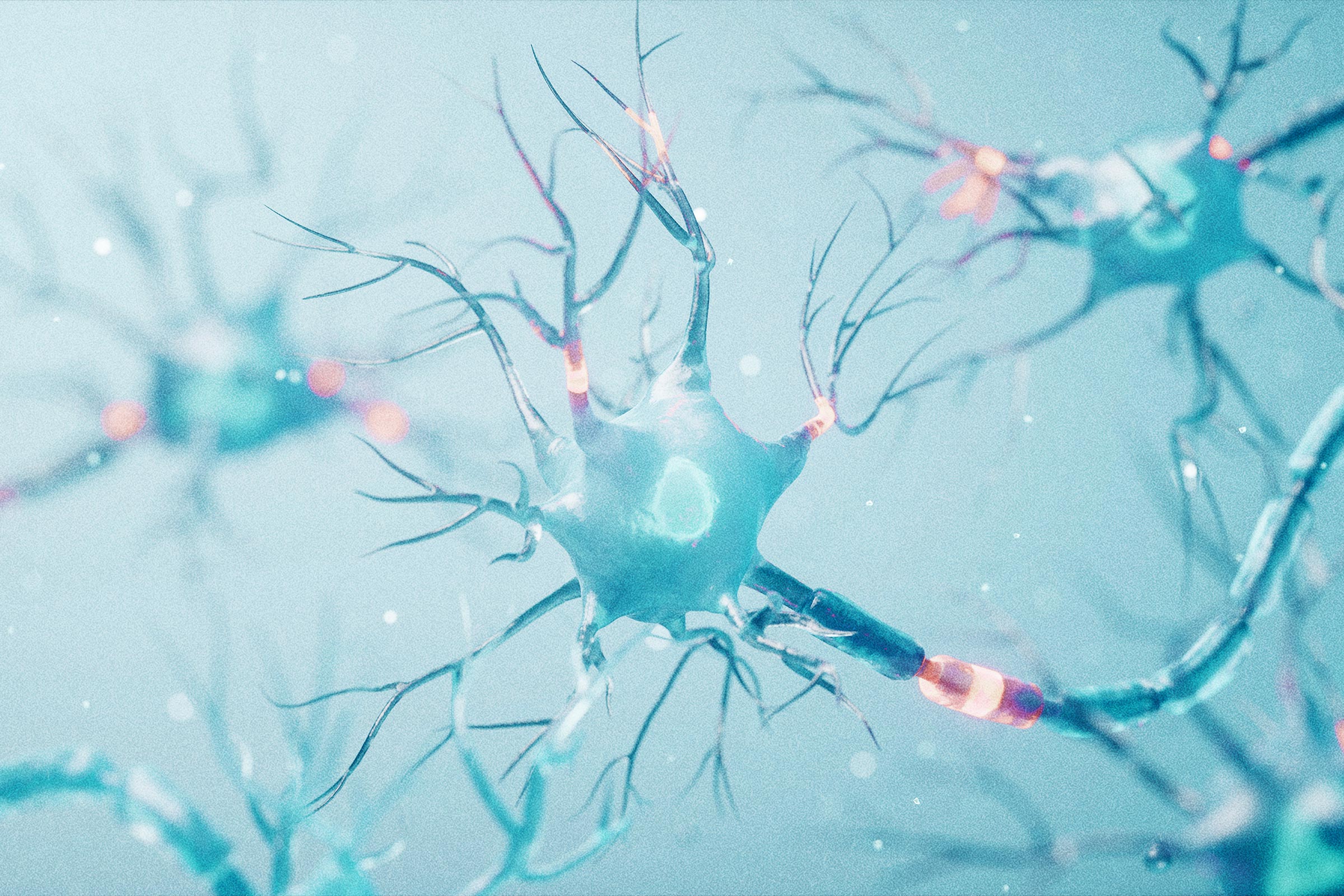
Protein is a major building block of nerve cells. From their protective outer covering (membrane) to the long extensions that send signals (axons), protein helps form and maintain the structure of neurons.
“Protein supplies the raw nutritional ingredients that our brain needs to repair, adapt, and stay strong as we age,” Shea said. “Neurodegeneration begins decades before diagnosis, and protein plays an important role in warding it off.”
This repair process happens through amino acids, which the body uses to heal nerve fibers and rebuild lost connections. Scientific evidence shows that branched-chain amino acids found in protein may help protect the brain both before and after a traumatic brain injury.
Moreover, protein is a stabilizing macronutrient that can help reduce post-meal blood sugar spikes and support insulin regulation, which may lower oxidative stress linked to chronic conditions such as insulin resistance.
“This is one of the most prevalent paths to neurodegeneration—so much so that Alzheimer’s disease has been nicknamed Type 3 diabetes,” Shea said. “The good news is, you can control these factors through diet.”
Protein acts as both a building block and a buffer, supporting brain function and protecting it from stress, inflammation, and blood sugar swings that harm cognition over time.
Myelin Sheath Maintenance
The myelin sheath is a protective layer that wraps around nerves, helping electrical signals travel faster and more efficiently through the nervous system. Protein plays an important role here, too.
When dried, the myelin sheath contains mostly fats (about 70 percent to 85 percent) and less protein (about 15 percent to 30 percent). In comparison, a regular cell membrane has a more balanced mix—about half protein and half fat. Maintaining it requires sufficient dietary protein intake.
“Early signs of compromised myelin integrity may include tingling, numbness, muscle weakness, delayed reflexes, trouble with coordination, and changes in gait,” Frie said. “Cognitive issues like poor memory, slowed thinking, and difficulty with planning can also emerge—often subtly, especially in the early stages.” These symptoms could indicate the presence of neuropathy or other neurological conditions interfering with the myelin sheath.
Though the central nervous system has a limited ability to regenerate, certain amino acids help maintain and repair the myelin sheath, especially as we age or face stressors such as illness or poor nutrition.
Serine, an important amino acid, helps produce sphingolipids, which are major components of myelin. Low levels of serine have been linked to myelin damage in certain neurological disorders. Other amino acids such as glycine, cysteine, methionine, and arginine also support the maintenance of the myelin sheath.
“Even in developed countries, ongoing low protein intake may gradually weaken the myelin sheath, particularly in vulnerable groups,” Frie said. Therefore, a diet lacking in these building blocks may affect how well one’s nerves function over time.
Neuroplasticity and Learning
Your brain is always adapting. This flexibility, known as neuroplasticity, is what enables you to learn new things, form memories, and recover from injuries. To keep this system running smoothly, your body needs protein.
A 2022 study published in Alzheimer’s & Dementia has shown that proteins linked to neuroplasticity may help the brain stay more resilient in early Alzheimer’s disease. Researchers examined brain scans and spinal fluid protein levels in people with early Alzheimer’s and compared them with healthy people. They found that those with stronger brain networks had higher levels of certain proteins, especially those involved in neuroplasticity.
That’s because neuroplasticity depends on constant communication between brain cells, the reshaping of connections (called synapses), and even the growth of new ones. All of this requires proteins—structural proteins that support cell shape or signaling proteins that help neurons communicate.
“Any sort of nutritional insufficiency of essential amino acids can reduce synaptic protein turnover, impair dendritic remodeling, and impair long-term potentiation,” Frie said. “This connection is especially critical during periods of heightened neuroplasticity, such as childhood, adolescence, recovery from injury, or during therapeutic intervention.”
Stress Response and Mood Regulation
We tend to think of mental health as a psychological issue requiring a psychological approach, but it is both mind and body. Anyone with anxiety can back this up—you feel the anxiousness everywhere, in your stomach, your arms, and not just in your mind, Shea stated. It is physiological in nature, requiring a full physiological treatment. This is where nutrition is extremely valuable.
Your brain’s ability to manage stress and regulate emotions depends largely on neurotransmitters, chemical messengers made from amino acids. Getting enough protein in your diet might help protect your mental health and lower your risk of depression. In a large U.S. study of approximately 18,000 adults, those who ate the most protein had a 66 percent lower risk of depressive symptoms compared with those who ate the least. Protein from milk and dairy products was especially linked to fewer symptoms, with people in the moderate- and higher-intake groups showing 39 percent to 63 percent lower odds of depression, even after adjusting for other health and lifestyle factors.
Shea noted that most clients she sees who are dealing with anxiety, depression, or even attention-deficit disorder are low in some or all neurotransmitters.
“Another major dietary factor in managing mood and mental health is blood sugar regulation, and ensuring you’re eating protein with every meal and snack can help keep you steady throughout the day,” she said.
Increasing Protein for Brain Health
Cooper, who first suspected a protein deficiency through self-observation and later confirmed it with blood tests, reflected on his experience in an interview with The Epoch Times.
“My diet was often a mix,“ he said, ”a lot of coffee, meals in between meetings and calls, often on the run. It wasn’t a great diet. When I increased my protein intake at every meal, starting with breakfast and throughout the day, I started tracking that and found I would need less sleep, had deeper sleep with the change in diet, felt less fatigued and more motivated.”
As we age, not only do our appetites and food preferences change, but our digestive capacity decreases, as well.
According to Shea, protein is highly important during all phases of life, but especially during major life shifts such as adolescence, pregnancy, postpartum, perimenopause, and aging.
“You likely feel the shifts in your body at these times, but your brain is also remodeling.”
To help support brain health, Shea shares these easy and realistic ways to increase daily protein intake:
- Center Your Meals Around Protein: When meal planning or eating out, start by choosing your protein source first, then build the rest of your plate around it with foods you enjoy.
- Rethink Your Snacks: Swap sugar-laden granola bars or chips for simple, protein-rich options such as jerky sticks, hard-boiled eggs, deli meat, or a handful of nuts. If you prefer carbs, pair them with a protein.
- Fortify Your Grains: Cook rice or other grains in bone broth instead of water to add protein and gut-friendly nutrients without changing your routine.
- Add Protein to Your Drinks: Stir collagen peptides or protein powder into your coffee or matcha in the morning, and into herbal tea or hot chocolate at night for a calming, protein-rich treat.
- Focus on Ease, not Perfection: Sneak in protein consistently without overthinking it; small changes add up.
For vegans, it’s important to eat a wide variety of plant-based proteins in larger amounts to get all the essential amino acids. Since most plant proteins are incomplete, Shea recommends combining different sources, such as beans and grains, to fill in the gaps.
“Your best bet is to get into the habit of eating protein evenly throughout the day, so you’re effortlessly meeting the needs of your ever-changing body,” she said.
For Cooper, increasing his protein intake at every meal, starting with breakfast, made a noticeable difference. He typically eats three protein-rich meals a day and adds one to two protein shakes. With this routine, he noticed improvement in his symptoms and a better quality of life.
“Even if I waver for a day or two, once I get back on track, everything feels good again.”