In the Ming Dynasty, a nobleman, renowned for his quick temper, suffered from a severe eye disease. He constantly looked in the mirror, impatient to find a cure, yet repeated treatments brought him no relief.
Finally, Yang Benheng, a famous physician, examined him and said: “Your eye ailment could have been cured, but because you have taken medicines for so long, the toxic influence has now affected your left leg. Before long, symptoms will likely appear there.”
Hearing this, the nobleman, filled with sadness, began to touch and check his leg day and night. With the passage of time, not only did the predicted leg injury heal, but his eyes did, too.
The nobleman’s case is documented in Yunzhai Manlu, a respected Ming-dynasty miscellany compiled by Huang Xuehai. Known for its careful recordings of classical interpretations, historical anecdotes, and medical observations, the work is valued by scholars for its reliability and insight into cultural and intellectual life during the Ming period.
In the perspective of traditional Chinese medicine (TCM), physically, the liver is in charge of storing and regulating blood and energy flow, and mentally, it is linked to anger—that’s why the nobleman’s disease didn’t initially get better. As for why anger is related to eye disease, we'll explain that later.
Regulatory Hub
From the perspective of Western medicine, the liver is considered the body’s chemical factory. It serves as the largest digestive gland and is responsible for metabolism, detoxification, and the production of clotting factors. In TCM, however, the “liver” is more than a single organ—it’s a systemic concept.
The liver’s main role is to facilitate the smooth flow of vital energy (qi) throughout the body. Its dredging and discharging functions help maintain balance in digestion, metabolism, and emotional processes, making the liver the body’s regulatory hub. When the liver is unobstructed, people tend to feel open-minded and relaxed.
The liver also stores and regulates blood. While one is at rest, the blood returns to the liver; during activity, the liver releases blood into the entire body.
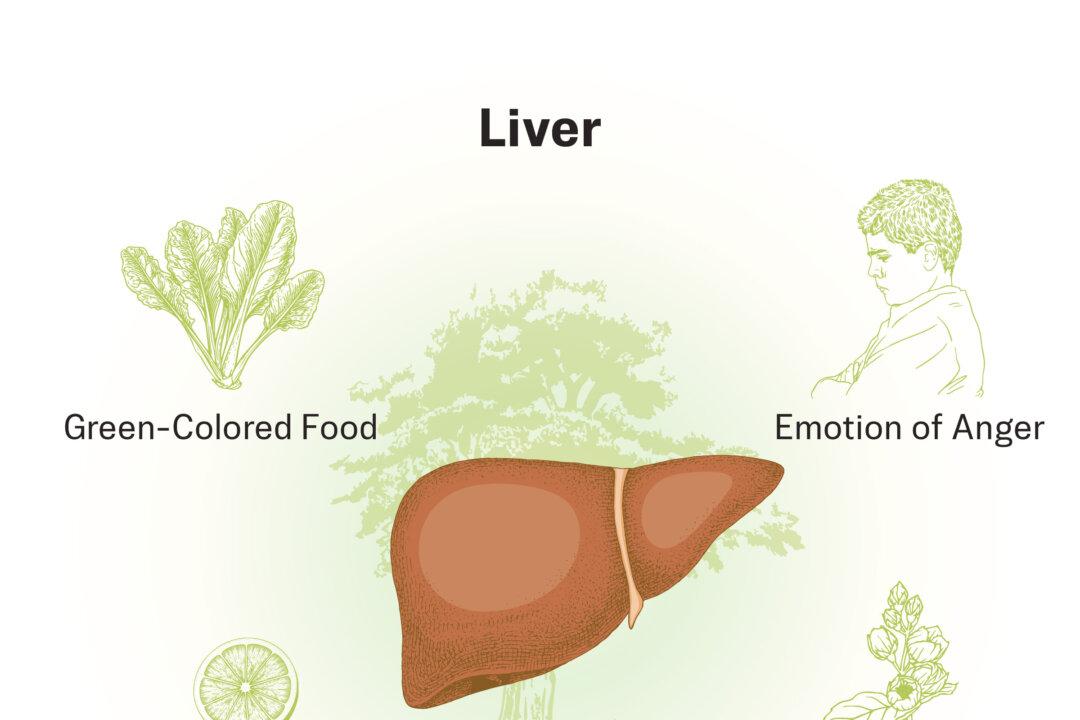
TCM associates the liver with the emotion of anger. The Yellow Emperor’s Inner Classic states, “Those with liver disease are prone to anger,” suggesting that those with liver conditions may experience heightened irritability. Conversely, people who are frequently angry are more susceptible to liver problems.
The Element That Grows
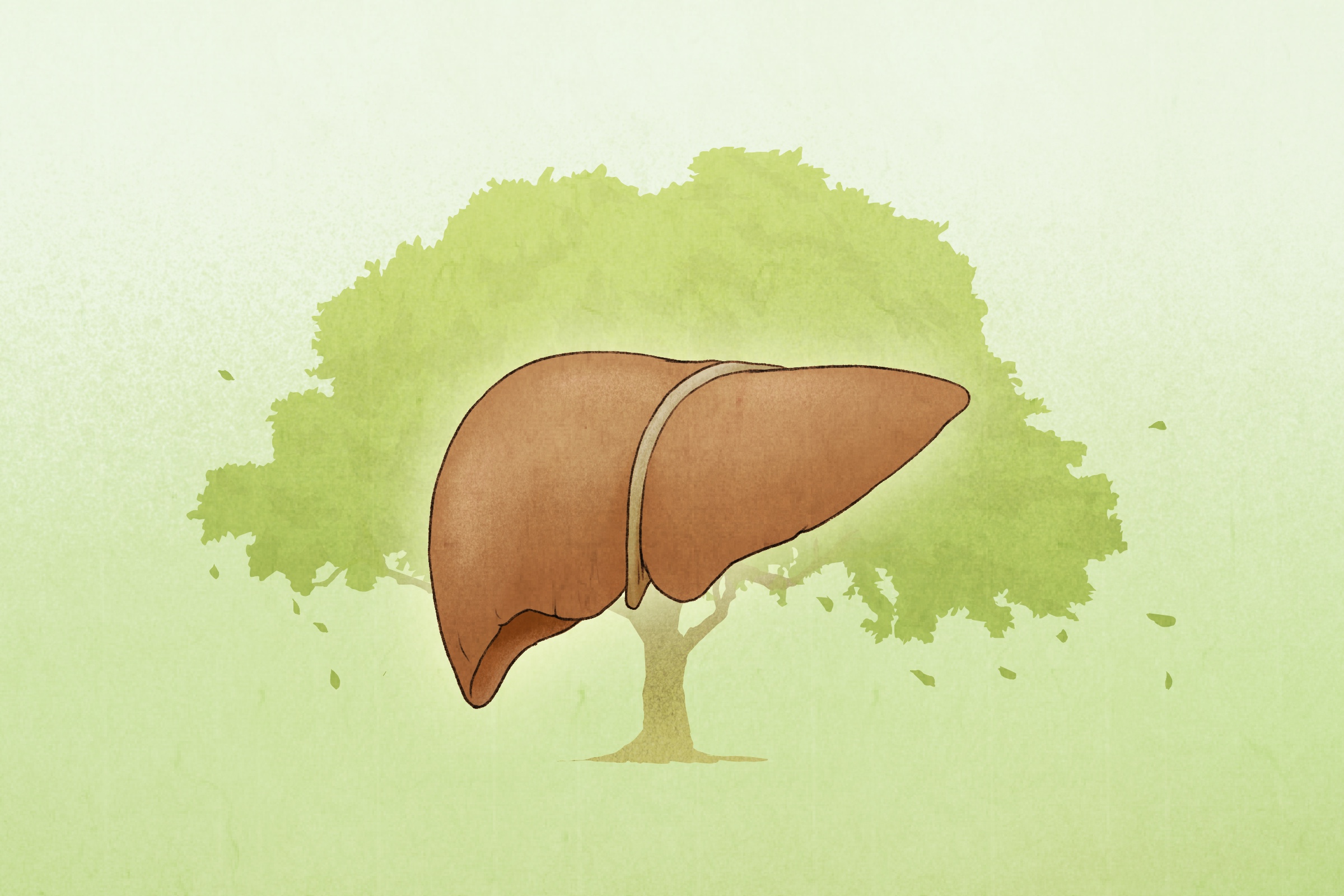
In TCM’s five elements theory, the liver is associated with the element of wood and corresponds to the spring season.
Wood represents growth, expansion, and flexibility, like a tree sprouting in spring. Similarly, the liver is responsible for keeping the flow of qi and blood smooth and unobstructed, supporting the body’s dynamic functions—much like the way tree branches extend outward in all directions.
The phrase “wood needs nourishment” refers to a living tree’s need for water, sunlight, and nutrients to grow. In the same way, the liver needs sufficient blood and energy to support its work of regulating emotions, circulation, and digestion. If nourishment is lacking, liver function becomes imbalanced, leading to stagnation, irritability, or related physical symptoms.
(Illustration by The Epoch Times, Shutterstock)
In the five elements cycle, metal—linked to the emotion of sadness or grief—can overcome wood, just as an axe cuts down a tree. In the Ming Dynasty case, Yang explained to the suspicious nobleman: “Your nature is quick-tempered, and every day your anger flared because of the eye disease. This caused liver fire to rise, which only worsened your condition. So I deliberately shifted your attention to fear and grief over your leg, which calmed your anger.”
In TCM, the liver meridian—a pathway of energy that runs through the body—passes through the eyes. When a person is angry, the liver energy becomes blocked, creating “liver fire,” or internal heat. Rising heat can inflame the eyes, leading to redness, pain, or vision problems.
By shifting the patient’s emotional state from anger to worry, the physician cleverly reduced his liver fire. Without the heat flaring upward, the inflammation subsided, and the nobleman’s eye condition gradually improved.
The TCM principle that “the liver opens into the eyes” is also illustrated by the nobleman’s story. The case demonstrated that emotional agitation, particularly anger, not only damages the liver but also can impair vision, an example of the mind-body connection.
How to Assess Liver Health
Dr. Kuo-Pin Wu, director of Taiwan XinYiTang TCM Clinic, described the liver as a “silent organ” because of its lack of pain-sensing nerves, which allows abnormalities to go unnoticed. However, according to TCM’s organ manifestation theory (zang xiang theory), the liver’s functional state can be assessed by observing external signs, he told The Epoch Times.
In TCM, the blood stored and regulated by the liver is essential for nourishing tissues throughout the body, including the nails. Pale, thin, easily deformed, and brittle nails indicated a deficiency of liver blood, meaning that the liver and the organs connected through its meridian network may not be receiving enough nourishment.
Additionally, if liver function is impaired, signs such as blurry vision, dryness, bloodshot eyes, or inflammation may appear.
How to Nourish the Liver
Expressing emotions in moderation helps maintain the body’s balance.
In terms of food, in TCM, sour flavors are associated with the liver. Eating moderate amounts of sour foods, such as limes, green plums, kiwis, and green olives, can nourish and support healthy liver function. However, excessive consumption of sour foods may lead to an overabundance of the liver’s vital energy—and acid reflux.
The liver also corresponds to the color green. Incorporating green foods, such as leafy vegetables and green fruits, into your diet can promote optimal liver health.
In clinical practice, Li frequently uses the classic herbal formula called free and easy wanderer (xiaoyao san) to treat liver conditions.
The classic liver-soothing formula includes:
- Bupleurum (chai hu)
- Angelica root (dang gui) and white peony root (bai shao)
- Atractylodes rhizome (bai zhu) and poria cocos (fu ling)
- Fresh ginger
“Many patients with irritability, insomnia, depression, or digestive discomfort actually suffer from liver qi stagnation,” said Lee Ying-Ta, a physician at Tzuhang Chinese Medicine Clinic in Taoyuan, Taiwan. “Free and easy wanderer helps them feel ‘free and at ease’—just like its name suggests.”
In recent years, numerous studies have explored free and easy wanderer. One study suggests that the formula could slow the worsening of liver fibrosis by targeting the relevant genes.
Li further noted that the root cause of many chronic diseases is not a single organ’s pathology, but rather the physical and mental exhaustion caused by prolonged emotional suppression and high-stress lifestyles.
Treating emotion-related disorders cannot rely solely on medication and requires an effective sleep routine, Li said. The liver energy is most active between 1 a.m. and 3 a.m. Sleeping during these hours allows the liver to recover and regenerate.
“TCM emphasizes the unity of heaven and human,” he said. “Only by aligning our lifestyle with natural rhythms can the five organs maintain balanced functioning.”
Free and easy wanderer powder is readily available in stores, and some people use it as a health supplement. Since each person’s constitution is different, it is recommended to consult a TCM practitioner for a diagnosis and to tailor the formula for optimal results.