One of naturopath Jodi Duval’s patients, a strict raw vegan, used to follow a particular dietary routine. Every day, she would start the morning with a spinach smoothie, snack on almonds, and drink several cups of tea.
The routine seemed rather healthy, but over time, the woman developed low magnesium levels, poor iron levels, and recurring urinary tract infections.
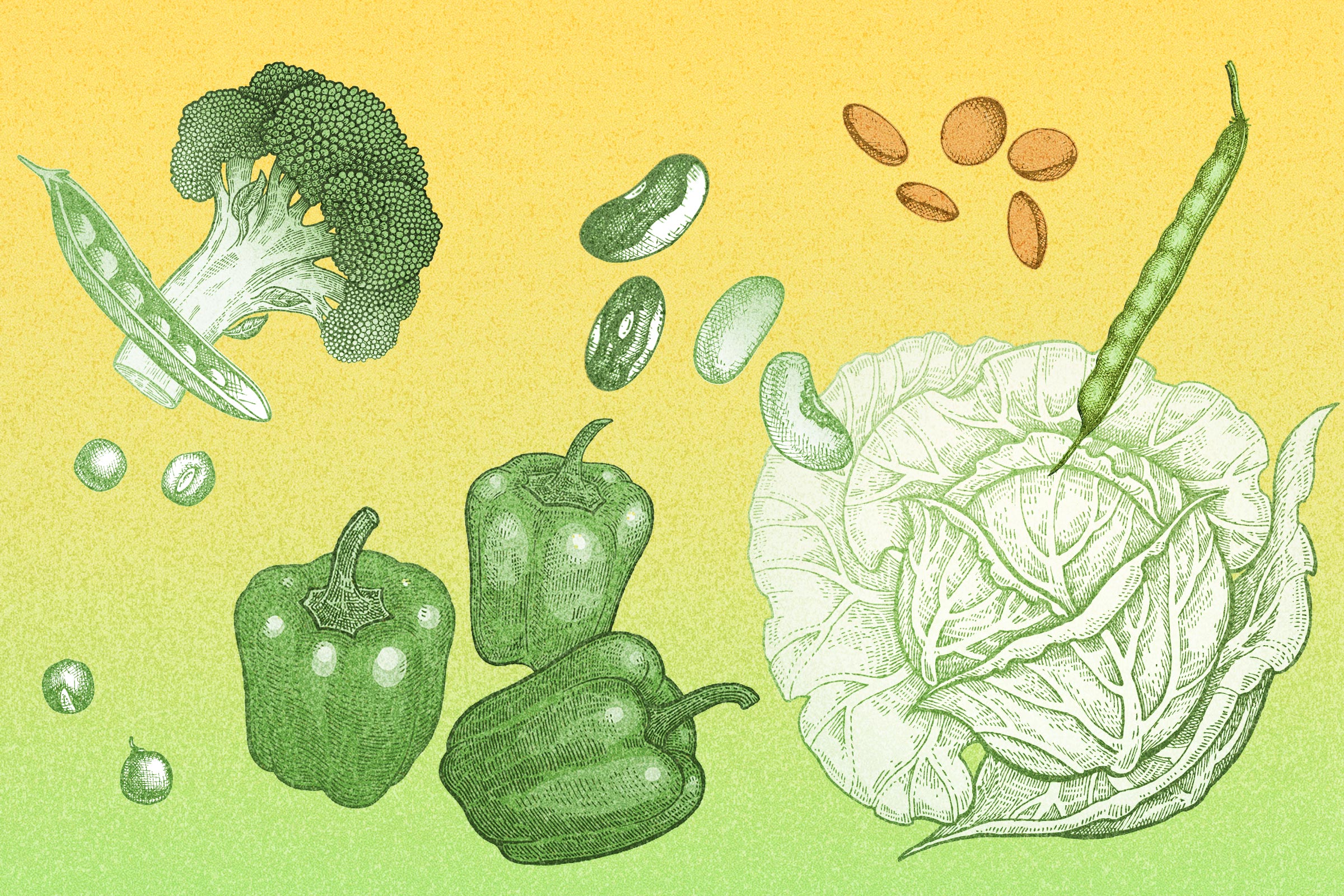
Most plant-based foods include naturally occurring compounds called antinutrients that can interfere with the body’s ability to absorb essential minerals. However, this doesn’t mean that you cannot eat vegetables anymore. The issue lies in how you pair or cook the foods.
What Are Antinutrients?
Antinutrients, found in plants, reduce our ability to absorb important minerals from both plant and animal foods. These include nutrients such as iron, zinc, calcium, magnesium, and iodine.
“These compounds act as the plant’s own defense system,” Jamie Mok, a Los Angeles-based registered dietitian and spokesperson for the California Academy of Nutrition and Dietetics, told The Epoch Times.
They help protect plants against pests, pathogens, and environmental stressors.
However, antinutrients can bind to minerals in the digestive tract, making them harder for the body to absorb.
Legumes tend to be the richest source of antinutrients, followed by cereal grains.
Some of the most common antinutrients are:
- Phytates: Found in grains and legumes, these bind to minerals such as iron, zinc, and calcium in other foods.
- Oxalates: Found in spinach, beet greens, and almonds, these interfere with calcium and magnesium uptake.
- Lectins: Found in legumes and grains, these may irritate the gut lining in sensitive people.
- Tannins: Found in tea and some fruits, these can hinder iron absorption.
- Goitrogens: Found in cruciferous vegetables, these may interfere with iodine and thyroid hormone production.
The Real Problem
If antinutrients can interfere with nutrient absorption, should we avoid plant-based foods?
Not necessarily, according to Mok.
Some antinutrients can also offer benefits—for example, phytates act as antioxidants and may help reduce oxidative stress.
“Antinutrients tend to pose a problem only when taken in large amounts, both frequently and in isolation,“ Duval told The Epoch Times. ”But that’s not how most people eat.”
Phytates have been shown to inhibit iron absorption in pregnant women. They can contribute to anemia if not balanced by dietary variety. Similarly, goitrogens found in some cruciferous vegetables may affect thyroid function when eaten excessively and without proper cooking.
In everyday diets, in which foods are combined and prepared in different ways, antinutrients rarely cause harm.
“The key is dose, frequency, and individual context,” Duval said.
Reducing the Negative Effects of Antinutrients
How we prepare and pair foods makes a big difference.
Traditional methods such as soaking, sprouting, fermenting, and thorough cooking can reduce antinutrients and improve nutrient absorption.
Antinutrients such as phytates and polyphenols can block iron uptake, but vitamin C helps counteract their effect by converting iron into a form that the body can absorb more easily. Try pairing plant foods with vitamin C-rich ingredients, such as citrus or capsicum.
Certain probiotics help break down antinutrients and improve digestion so that the body can absorb more minerals and nutrients. Probiotic foods or digestive supports such as bitters, apple cider vinegar, or digestive enzymes may also boost overall nutrient uptake, according to Duval.
She suggested boiling oxalate-rich foods, such as spinach, to reduce their oxalate levels. She also recommended eating adequate calcium and potassium, which help bind oxalates in the gut, limiting their absorption by the body.
Slow-cooking or pressure-cooking beans and legumes helps denature lectins and reduce the digestive discomfort caused by these antinutrients.
Antinutrients in cruciferous vegetables interfere with iodine uptake by the thyroid gland. This can affect thyroid hormone production, especially in people with low iodine intake or existing thyroid issues. Lightly cooking cruciferous vegetables such as broccoli, cabbage, and kale reduces their effect on thyroid function.
Some People Handle Antinutrients Better
Tolerance to antinutrients varies widely.
“In [my] clients with robust digestion and a diverse diet, these compounds are often well tolerated,“ Duval said. ”However, in those with nutrient deficiencies, compromised gut function, or thyroid conditions, more strategic guidance is needed.”
To be specific, underlying health conditions—including malabsorption issues, inflammatory bowel syndrome, inflammatory bowel disease, chronic digestive conditions, and autoimmune issues—can heighten sensitivity to antinutrients and raise the risk of nutrient depletion, she said.
A diverse and healthy gut microbiome helps break down antinutrients such as phytates and glucosinolates. When the microbiome is balanced, the body can better tolerate antinutrients. Conversely, an imbalanced gut may struggle to neutralize antinutrients, increasing the risk of nutrient deficiencies and related health issues.
Dietary patterns matter, too. People eating a well-rounded, nutrient-rich diet are much less likely to experience problems from antinutrients, according to Mok.
Duval’s patient, who used to start each morning with a spinach smoothie, began to feel better after she started rotating her foods, cooking some of her meals, and taking mineral supplements. The patient’s lab results gradually returned to normal, too, Duval said.