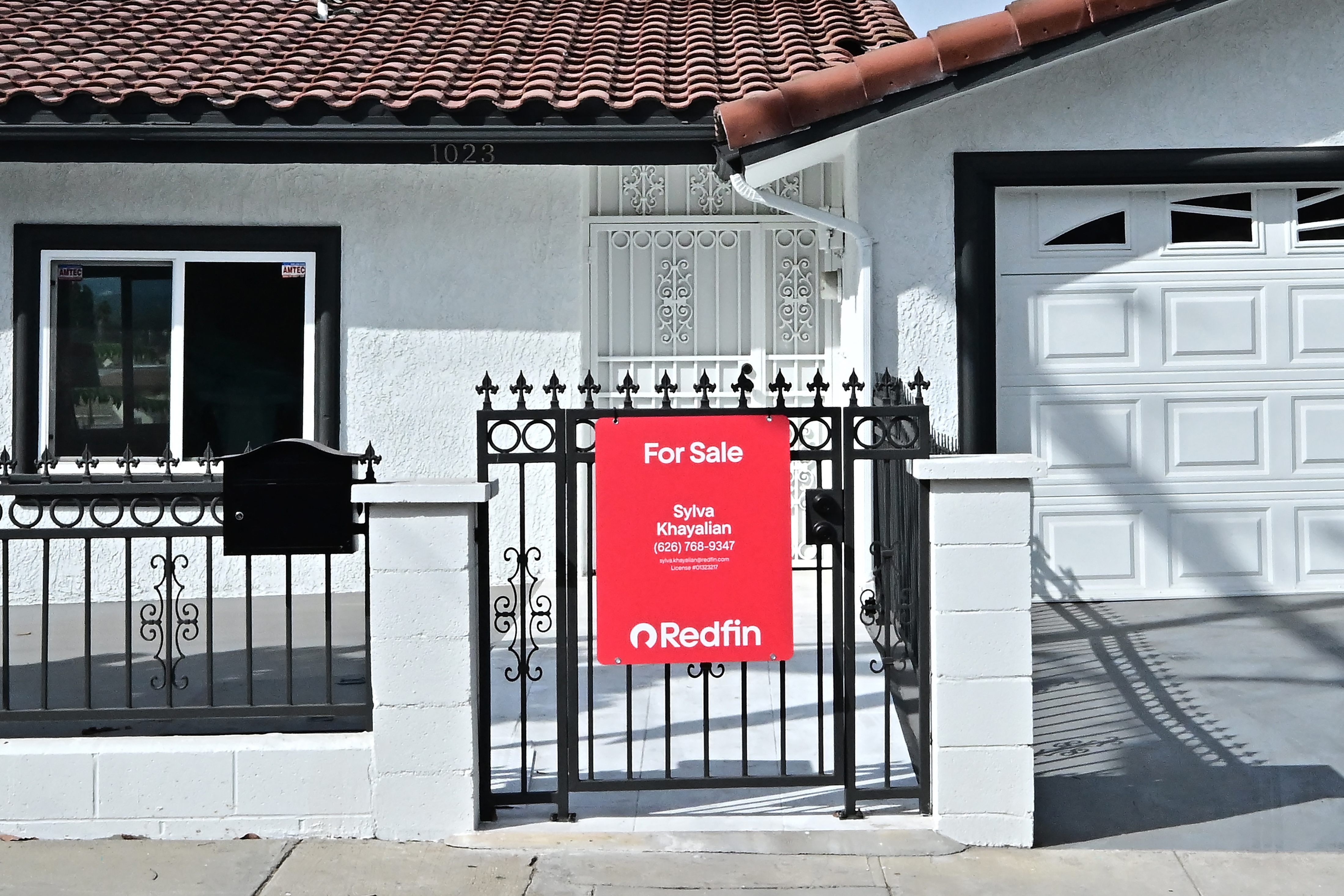

A slight easing of mortgage rates led to an uptick in the sale of existing homes in October, along with a modest decrease in unsold inventory, but median sales prices continued to rise.
Existing-home sales in October jumped by 1.2 percent from September to a seasonally adjusted annual rate of 4.1 million units—an eight‑month high, according to the National Association of Realtors (NAR). Year over year, sales were up by 1.7 percent.
Sales were strongest in the Midwest and South, according to the trade association, but they tapered off in the western region because of higher home prices. The slight increase in home sales for the month correlated with a modest easing of mortgage rates, according to Lawrence Yun, chief economist for the NAR.
“Home sales increased in October even with the government shutdown due to homebuyers taking advantage of lower mortgage rates,” Yun said. “First-time buyers fared better in the Midwest because of the plentiful supply of affordable houses and in the South because there is sufficient inventory.”
The average rate for 30-year fixed mortgages dipped throughout October, Freddie Mac reported, falling from 6.34 percent at the start of the month to a low of 6.17 percent on Oct. 30. However, rates have inched upward in November, reaching an average of 6.26 percent as of Nov. 20.
“Mortgage rates have been shifting within a narrow 10 basis-point range over the last month,” said Sam Khater, chief economist at Freddie Mac. “This rate stability is a positive sign for both buyers and sellers, as it helps provide greater certainty in the housing market.”
In a statement provided to The Epoch Times, BankRate financial analyst Stephen Kates highlighted the relationship between 30-year mortgage interest rates and 10-year Treasury yields as the reason why mortgage rates have ticked upward.
Interest rates dipped after the Federal Reserve shaved a quarter-point off its benchmark interest rate during its October meeting; however, since the 10-year Treasury yield reflects market expectations for inflation and economic growth, movement in both the 10-year and mortgage rates often diverges from the Federal Reserve’s short-term policy actions, Kates said.
“As economic conditions have evolved during and after the government shutdown, both yields have adjusted in response to new data on inflation, labor market trends, and expected Federal Reserve policy guidance,” he said.
The median existing home sales price for all regions reached $415,200 in October, the 28th consecutive month that year-over-year prices have increased. Last year, the median price for existing homes sold in October was $406,800.
Median prices remain elevated in the West at $628,000, the NAR reported, with an annual rate of 760,000 units sold. That’s a 2.6 percent year-over-year decline in sales. The South had the most sales, at an annual rate of 1.86 million units, with a median sales price of $362,500. Median prices were softest in the Midwest, however, at $319,500.
Notably, total housing inventory decreased by 0.7 percent from September to 1.52 million units—equal to a 4.4-month supply at the current sales pace, down from 4.5 months in September, according to the NAR. It’s up by 10.9 percent year over year but is still tight compared with the five to six months of supply typically considered a balanced market.
Commenting on the latest home sales data, Bankrate housing market analyst Jeff Ostrowski said that U.S. existing-home sales remain near historical lows despite an October uptick, while home prices continue to sit at record highs.
“The housing recession that started in 2023 remains in place, at least when it comes to sales volumes. Transactions have been muted for three years now,” Ostrowski said in a note provided to The Epoch Times.
He said that home sales won’t accelerate “meaningfully” unless prices fall or mortgage rates plunge—neither of which he sees as likely.