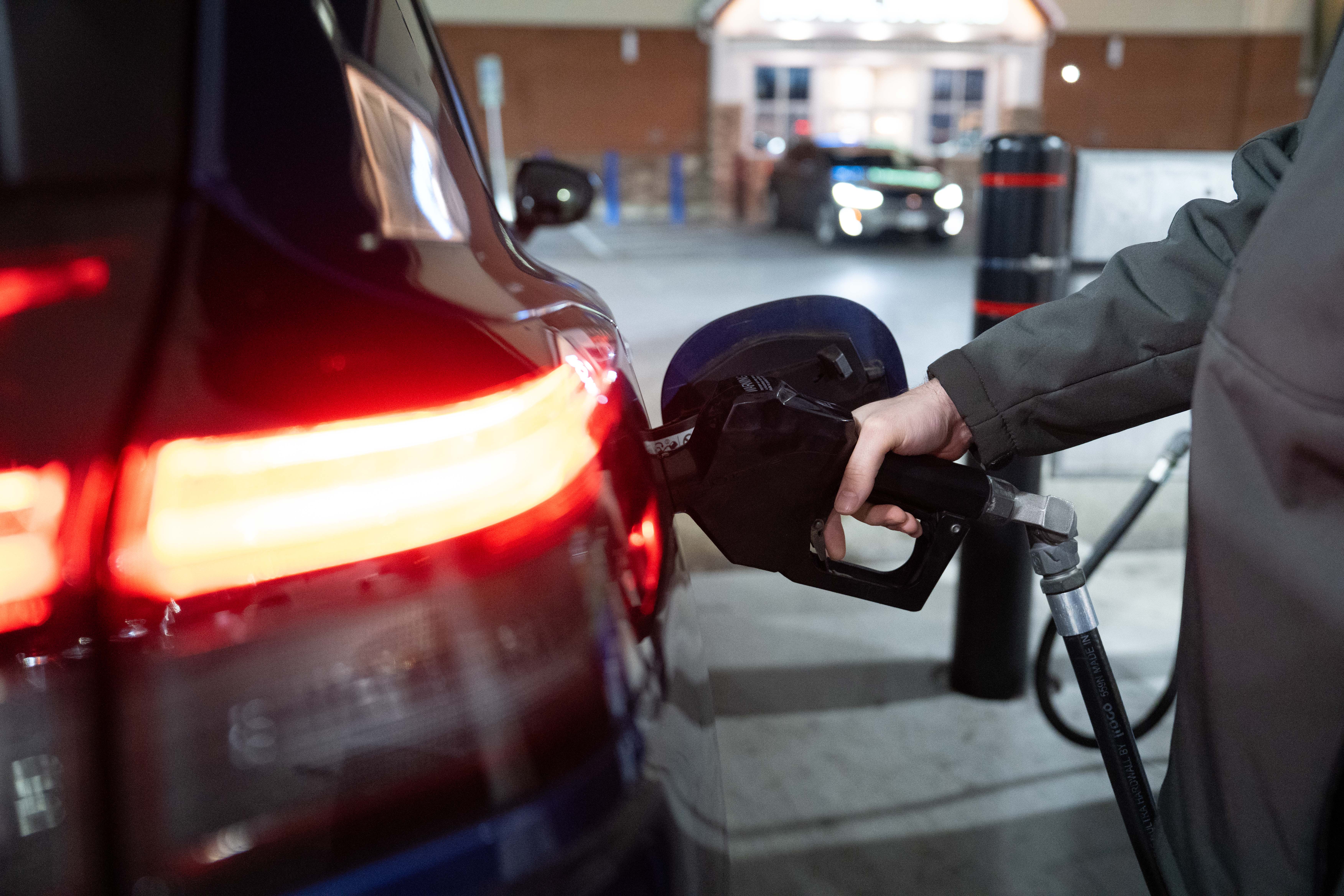

U.S. gasoline prices dropped below $3 per gallon for the first time in more than four years, according to the American Automobile Association.
As of Dec. 2, the national average for a gallon of gas was $2.998—the lowest since May 2021. Pump prices have also fallen about six cents in the past week and are down from a year ago.
Drivers in 18 states, including Colorado, Mississippi, Nebraska, and Texas, are paying less than $2.75 per gallon, as fuel costs continue to ease nationwide.
Oklahoma motorists are enjoying the biggest break at the neighborhood gas station, with a gallon of gas costing $2.40.
Still, the West Coast continues to contend with high gas prices. California, for example, is seeing pump prices remaining above $4.50 a gallon as the Golden State grapples with refinery issues.
Fuel-tracking platform GasBuddy reported on Dec. 1 that the national average fell below $3.
“Nearly every state saw average gas prices fall heading into Thanksgiving, with the national average dipping below $3 per gallon for several consecutive days—falling to $2.95 per gallon over the weekend, the lowest level since May 2021,” said Patrick De Haan, head of petroleum analysis at GasBuddy.
Falling oil prices, which account for about half of gasoline costs, have largely driven the trend. Economic uncertainty, ample production, slowing demand, and easing geopolitical tensions have contributed to oil’s descent over the past few months.
This could set the stage for even lower gas prices ahead of Christmas, De Haan says.
“Some stations are already charging under $2 per gallon, and more could follow as the holiday season begins—bringing timely relief for U.S. drivers,” he added.
This year, a barrel of West Texas Intermediate crude oil has plunged 18 percent, to around $59 on the New York Mercantile Exchange. RBOB gasoline futures—a proxy for wholesale gasoline trends because the product is a basis component for gasoline—slumped below $2 last month, and are down 8 percent year to date.
Looking Back—and Ahead
The latest relief at the pump is a far cry from what drivers have experienced in recent years.
In June 2022, the U.S. average price reached $5.02 a gallon, and a barrel of West Texas Intermediate oil traded above $100. This exacerbated consumer frustrations, strained household budgets, and intensified political debate on Capitol Hill.
Looking ahead, economic observers anticipate that even more relief could be on the way for households as oil prices are expected to remain low heading into the new year.
The latest Reuters monthly poll of analysts indicated that the average price of a barrel of U.S. oil will be $59 in 2026, down from the previous month’s $60.23.
As for Brent—an international benchmark for oil prices—the Energy Information Administration’s Short-Term Energy Outlook forecasts an average price of $55.
“We expect global oil inventories to continue to rise through 2026, putting downward pressure on oil prices in the coming month,” the monthly report stated. “Our forecast assumes lower crude oil prices, the largest component of retail prices, will contribute to lower retail gasoline and diesel prices throughout the forecast period.”
The federal agency expects gas prices to fall below $3 a gallon, on average, in 2026.
Domestic production continues to increase steadily, even as the breakeven threshold declines. For the week ended Nov. 21, the United States produced 13.814 million barrels of oil, up 1.4 percent from the same time a year ago, U.S. government data show.
Investors are betting oil prices will fall, cutting back on bullish bets and adding more bearish ones. Speculators trimmed their net long positions in Brent over the last as more investors started short positions, according to ING commodities strategists in a Dec. 1 note.
Still, there are some headwinds to monitor. Disruptions to Venezuelan output, the breakdown of the Ukraine–Russia peace talks, and OPEC and its allies slowing production are some of the factors to watch for over the next few months.