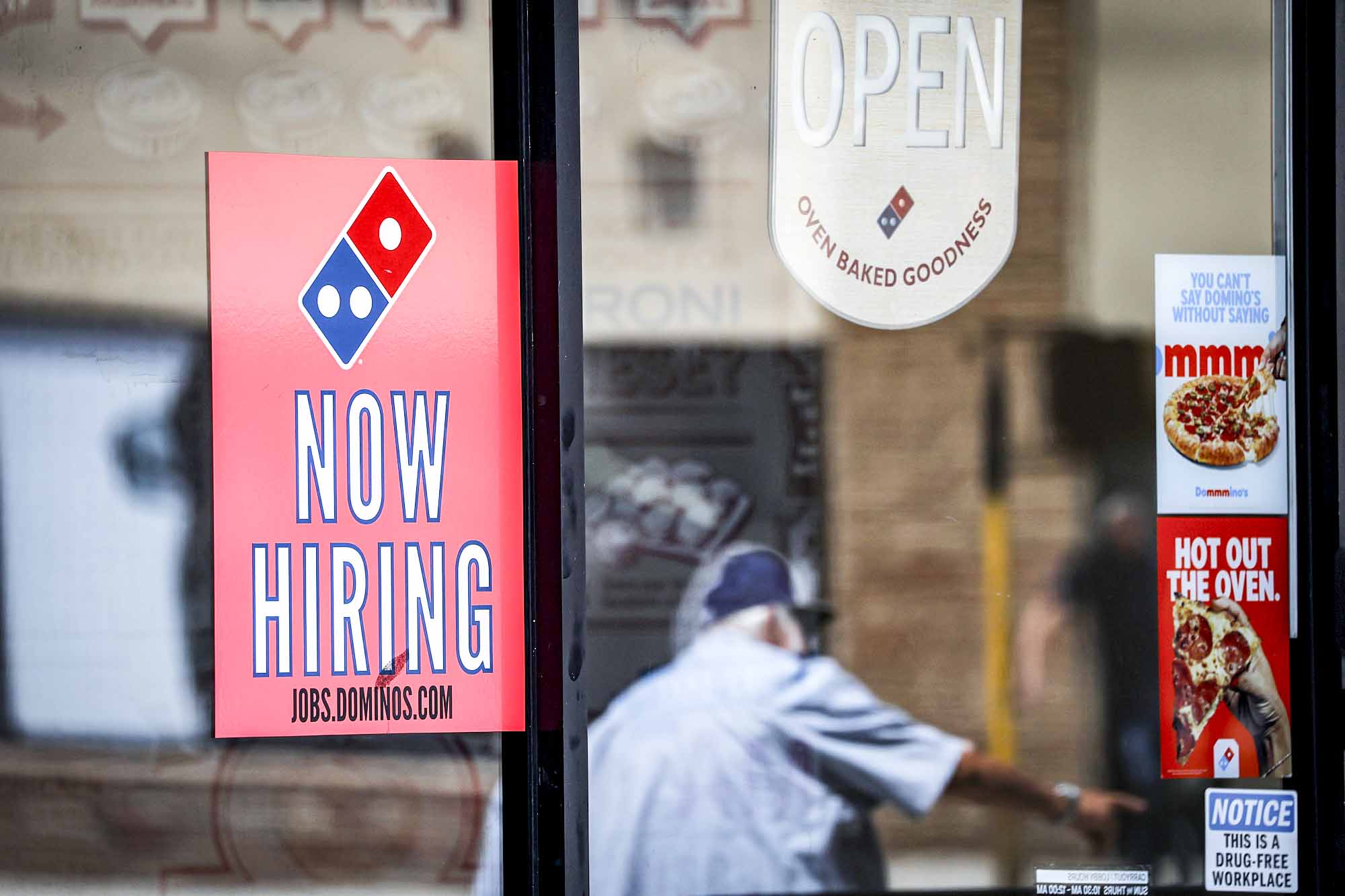

U.S. private employers went on a hiring spree in September as job growth came in firmly above expectations.
Private payrolls increased by 90,000, exceeding the 70,000 projected by economists and following a downwardly revised gain of 36,000 in August, according to payroll processing company ADP.
September’s hiring gains were broad-based, led by the education and health services sector, which added 55,000 jobs, followed by leisure and hospitality with 22,000, manufacturing with 17,000, and construction with 15,000, ADP said in its National Employment Report.
Conversely, the private payroll processor reported sizable declines of 16,000 jobs in financial activities and 11,000 in professional and business services.
Medium-sized businesses—with 50 to 249 employees—accounted for more than half of September’s hires, with 54,000. Small businesses—with one to 19 staff members—brought on 23,000 workers. Large businesses with 500 or more employees accounted for the rest.
Base pay rose by 3 percent year over year for job-stayers and by almost 5 percent for job-changers.
Nela Richardson, ADP chief economist, said it was a strong report.
“After a three-month slowdown, job creation rebounded and pay growth remained solid,” she said in a statement.
Labor Data Rolling Through
ADP’s private payrolls were the second major employment data release this week.
The Bureau of Labor Statistics reported August job openings, which fell modestly to a five-month low of slightly more than 7 million.
Planned layoffs for September and weekly unemployment claims will be released on Oct. 1, followed by the September jobs report.
Economists forecast that the unemployment rate will hold steady at 4.1 percent.
Job growth has fluctuated throughout the year, averaging approximately 80,000 per month. This is firmly above RBC Economics’ estimated breakeven rate—the number of new jobs needed to keep the unemployment rate low—of about 20,000.
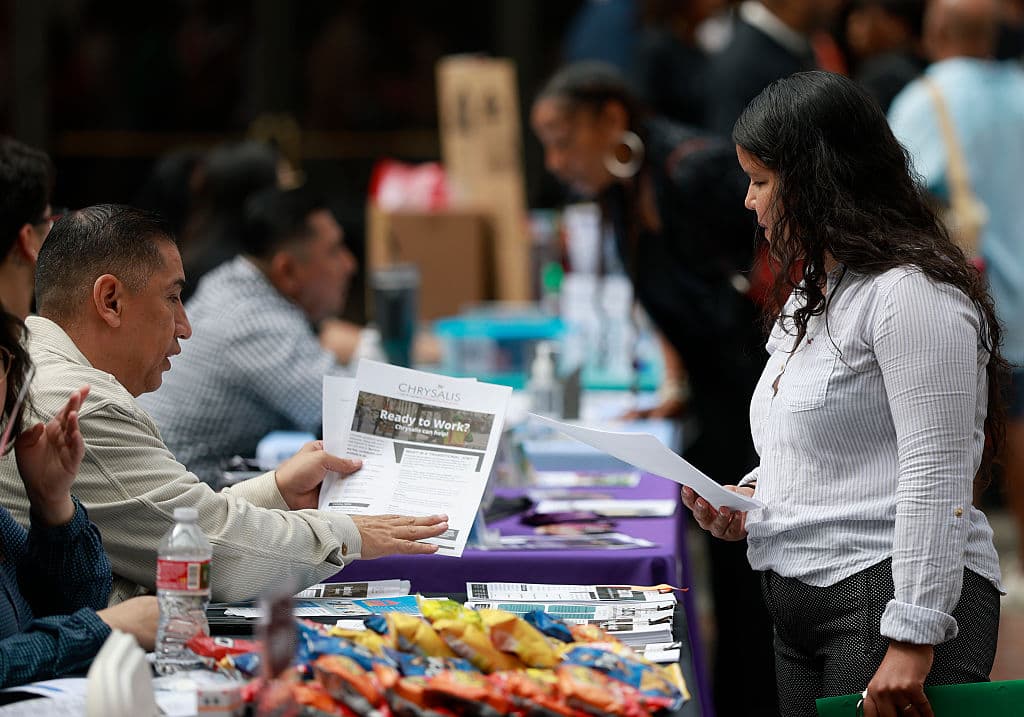
A job seeker meets with a recruiter during the HIRE360 Diversity Hiring Expo & Mega Career Expo at the Carson Event Center in Carson, Calif., on June 30, 2026. (Justin Sullivan/Getty Images)
Breakeven estimates have generally ranged from zero to 50,000 over the past 12 months.
Job vacancies are growing at a faster pace than the civilian labor force.
“Indeed, job openings have historically been volatile, but recent data indicates a positive growth trajectory this year,” RBC economists wrote in a Sept. 21 research note.
“Conversely, the civilian labor force is shrinking, suggesting much of that labor demand (i.e., job openings) is being driven by labor force exits (i.e., retirements).”
Changing dynamics in the national labor market, whether lower immigration or more retirees, have kept the jobless rate near a historically low level, with layoffs near all-time lows.
Initial jobless claims—the number of Americans filing applications for unemployment benefits—have been in a tight range of 189,000 to 230,000 this year. Recurring unemployment claims, which gauge the number of individuals currently receiving benefits, have also been trending lower.
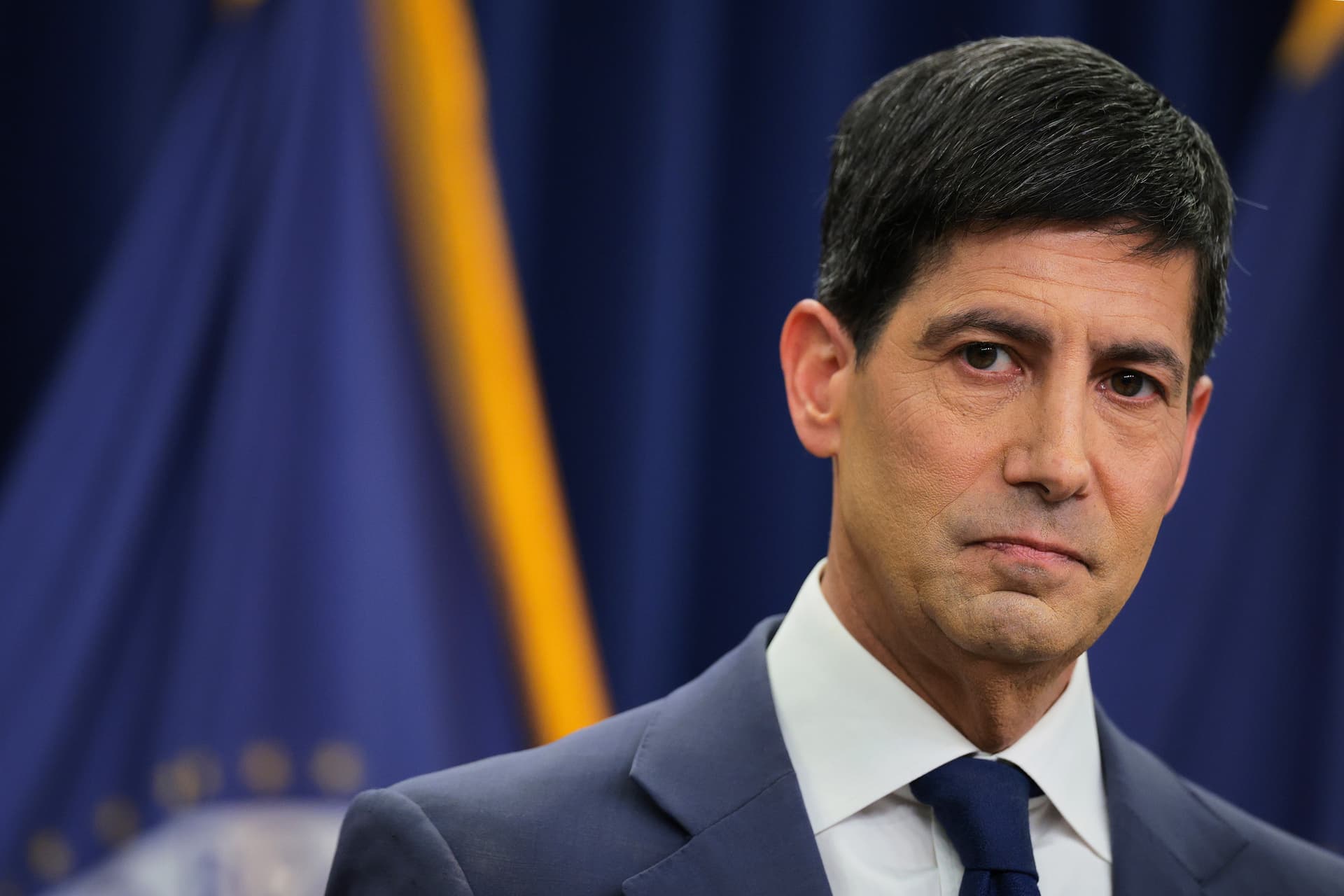
Federal Reserve Chairman Kevin Warsh looks on during a news conference in Washington on June 17, 2026. (Chip Somodevilla/Getty Images)
Federal Reserve Chairman Kevin Warsh has acknowledged much of what has happened in the U.S. labor market. Warsh said earlier in September that the country is at or near full employment, a key mandate for the central bank.
Because of solid employment conditions, the Fed is expected to raise interest rates once more before the year is over.
Investors had widely projected that officials would pull the trigger on a second straight rate hike at the October Federal Open Market Committee meeting. Comments from one regional central bank chief forced traders to reprice their expectations.
New York Fed President John Williams said on Sept. 29 that there is no need for urgency until more information is collected.
“If the economy evolves in a manner broadly consistent with my forecast, one further upward adjustment of the federal funds target range may be appropriate late this year to support a timelier return of inflation to target,” Williams stated in prepared remarks at the University at Buffalo.
Futures markets anticipate that the Fed will leave rates unchanged in October, according to the CME FedWatch Tool.
The Fed will meet on Oct. 27 and Oct. 28.