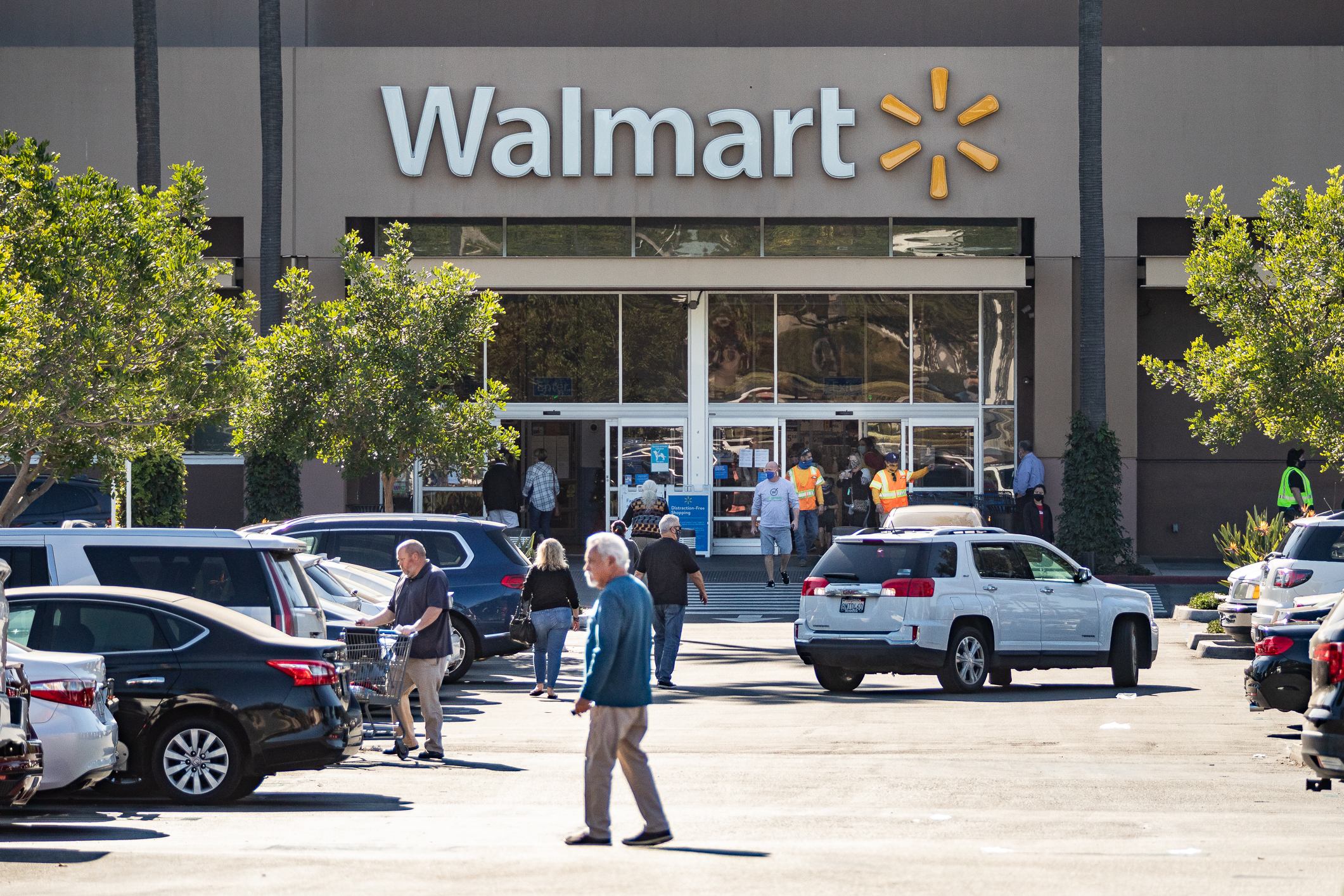

Walmart exceeded a $1 trillion market capitalization on Tuesday, joining an elite list of companies that have surpassed the mark, including Nvidia, Alphabet, Apple, Microsoft, Amazon, and Meta.
The retailer’s total market cap stood at $1.018 trillion as of Feb. 3, while shares rose to $127.71, up from around $90 at the beginning of 2025, an increase of nearly 42 percent.
Walmart has seen consistent revenue growth for the past several years, contributing to the rise in stock prices and market capitalization. The last time the company reported a dip in year-over-year quarterly revenues was in 2016.
For fiscal year 2025, Walmart reported revenues of $681 billion, up by more than 5 percent, according to a Feb. 2025 earnings release from the company. Walmart raised the dividend by 13 percent, or $0.94 per share, which the company said was the “largest increase in over a decade.”
For the most recent third quarter of 2026, revenues were up by 5.8 percent year over year. Walmart’s e-commerce business grew by 27 percent globally in the third quarter of 2026, on an annual basis. In the United States, strong sales growth was “led by momentum in eCommerce,” according to the company.
“eCommerce was a bright spot again this quarter,” Walmart Inc. CEO Doug McMillon said in November. “We’re gaining market share, improving delivery speed, and managing inventory well. We’re well-positioned for a strong finish to the year and beyond that.”
Fourth-quarter earnings are scheduled for release on Feb. 19.
Walmart’s ascent has been notable as it has managed to appeal simultaneously to higher-income customers seeking value and convenience, while retaining its core base of lower-income shoppers.
Walmart bet early and aggressively on artificial intelligence, pouring billions into supply-chain automation to stock fresher produce, speed up deliveries, and improve inventory forecasting and search, giving the Bentonville, Arkansas-based retailer an operational edge that has helped it beat U.S. same-store sales estimates for 15 consecutive quarters, based on estimates compiled by LSEG.
Drone Delivery Expansion
Last month, Walmart announced the “next chapter of the world’s largest drone delivery expansion.”
The retailer already offers the delivery service in association with drone delivery company Wing in a few locations across the United States. Walmart and Wing now plan on expanding the network to 270 drone delivery locations by 2027. The companies said the expansion will serve over 40 million people in the country.
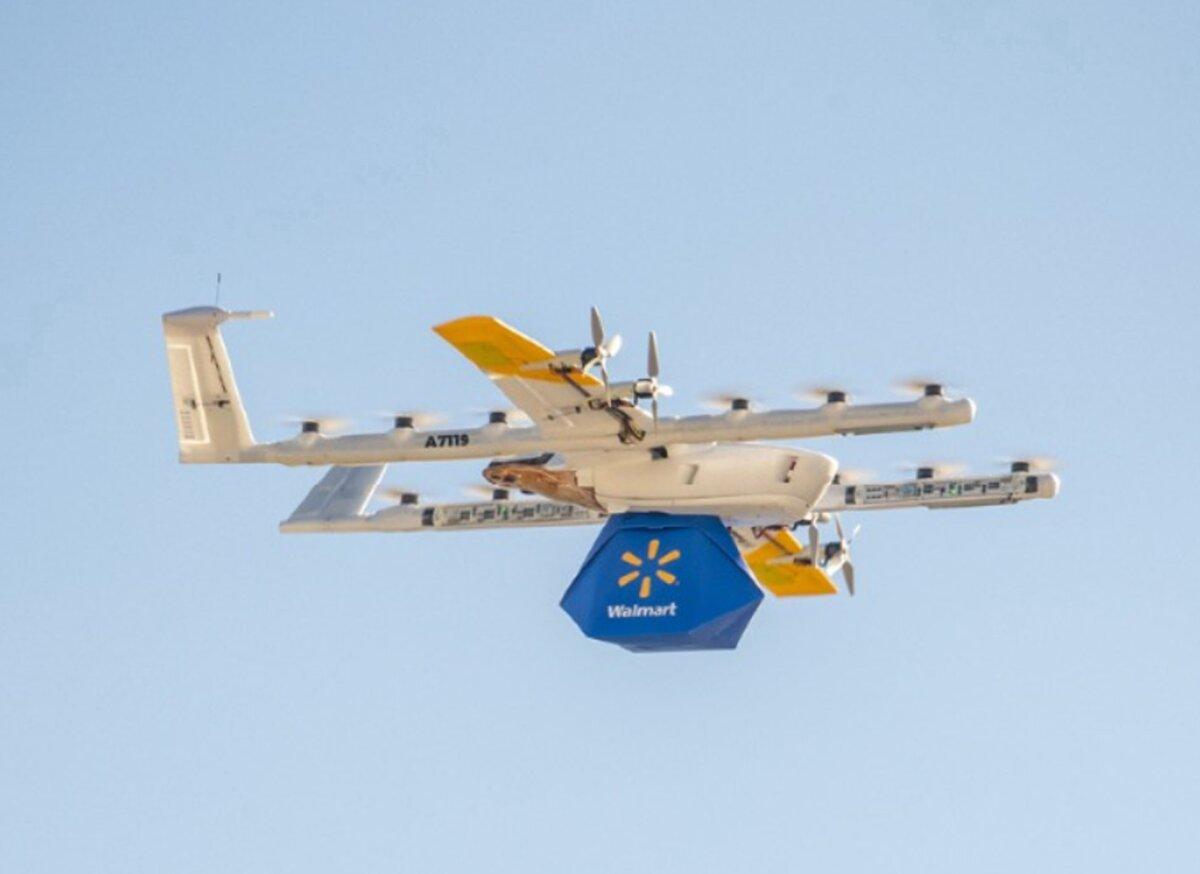
An undated photograph of Walmart's drone delivering a package. (Courtesy of Walmart)
“Drone delivery plays an important role in our ability to deliver what customers want, exactly when they want it,” said Greg Cathey, senior vice president of digital fulfillment transformation at Walmart.
“Whether it’s a last-minute ingredient for dinner, a must-have charger for a phone, or a late-night essential for a busy family, the strong adoption we’ve seen confirms that this is the future of convenience.”
Walmart announced multiple leadership changes on Jan. 16, with its board of directors electing new heads to its executive council, effective Feb. 1.
In November, former Walmart Inc. CEO Doug McMillon announced he would retire from the company early this year. He was succeeded by John Furner, head of Walmart U.S., who was also elected to Walmart’s board.
McMillon retired on Jan. 31. Furner has served as the CEO of Walmart U.S. since 2019.
Reuters contributed to this report.