Over the last decade, studies, data, media commentary, and personal experience have made many Americans aware of the ever-growing mental and emotional health challenges faced by young people, from preschoolers to college students. Research has attributed this rise in the rates of anxiety, depression, and general unhappiness to a wide range of factors, from academic pressures to the negativity of our daily news to the damages inflicted by widespread addiction to screens.
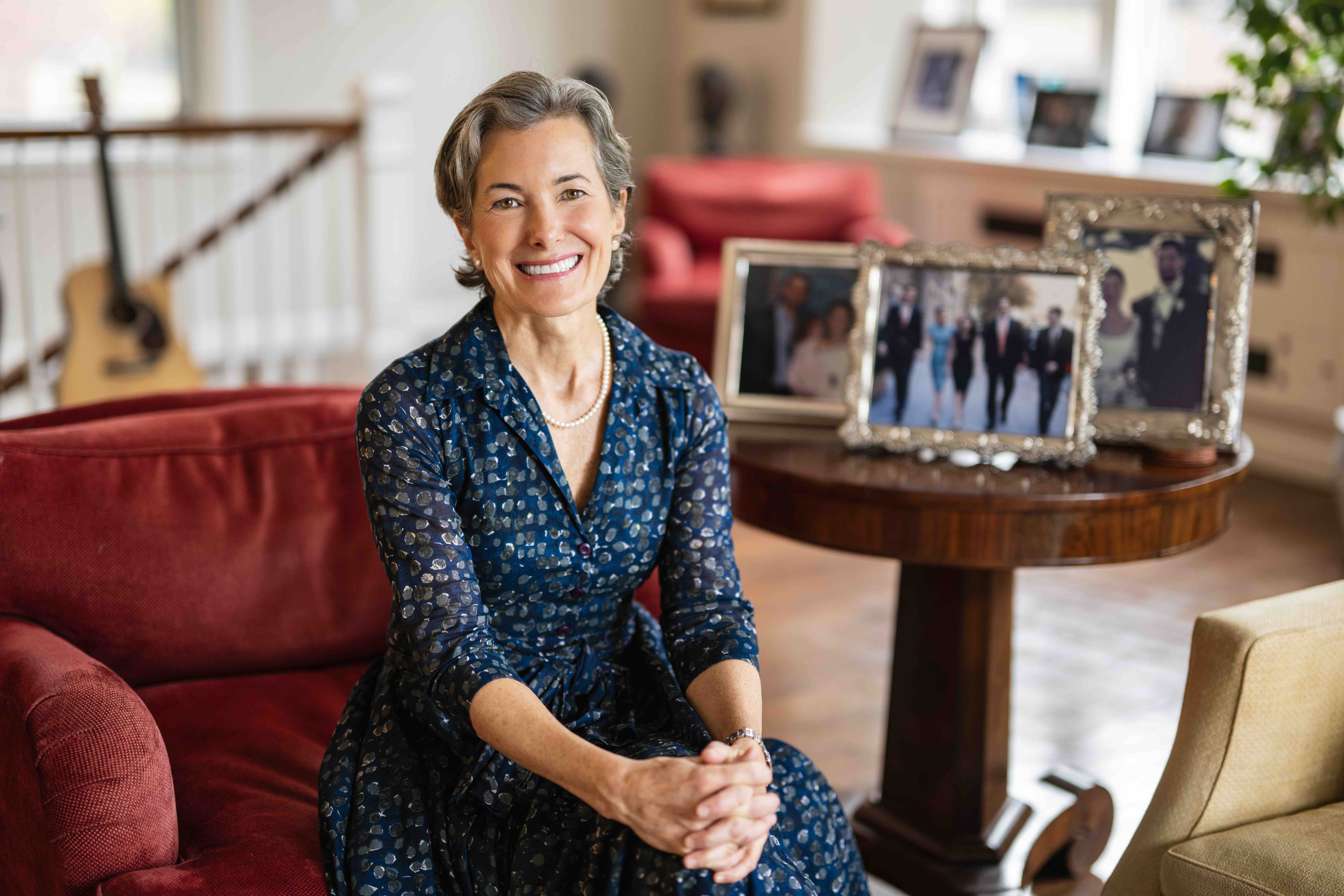
Psychoanalyst, social worker, and writer Erica Komisar is shining a light on another, often overlooked cause for this decline in mental and emotional health among children, teens, and 20-somethings. “Parents teach children that they can feel safe and secure through something called attachment security,” she told American Essence, “which is being physically and emotionally present for a neurologically, emotionally, and physically fragile infant. It’s those first three years that lay the groundwork to feel safe.”
The First Three Years of Life
Komisar, 61, began her professional life as a young social worker counseling children in Brooklyn before she trained and began practicing as a psychoanalyst. She explained: “I was noticing that children were being diagnosed and medicated with mental disorders … as young as 2, 3 years of age. They were having labels put on them, behavioral issues or attentional issues, and they were medicating children very, very young.”
Coinciding with her early observations was an uptick in neuroscience research during the 1990s, which Komisar called “the decade of the brain.” She encountered new studies on the right hemisphere of the brain, which processes negative and positive emotions and plays a vital role in personal growth and maturity.
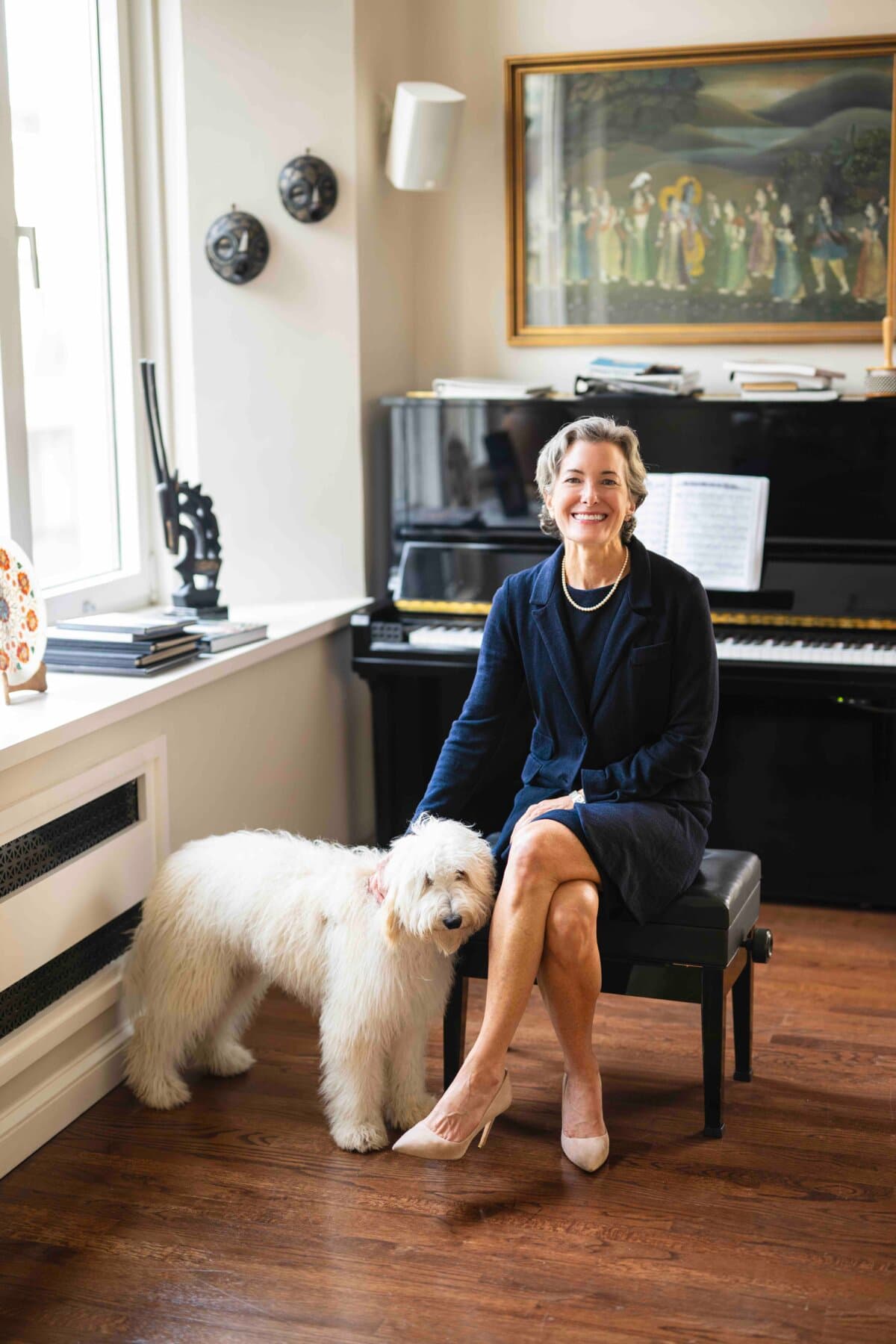
Komisar advocates for mothers to be present as much as possible during a child’s first three years of life. (Adhiraj Chakrabarti for American Essence)
This surging tide of knowledge and information demonstrated that the first three years of life “are what we call the first critical period of development. … And that is the origin of one’s personality. We knew that as psychoanalysts, but now we could actually see it.”
Komisar concluded that this was why mothers should remain close to their babies during the first three years of life. “We’ve sort of got it all wrong today, because we project onto children that they are born resilient, that they’re born with the capacity to handle stress,” she said. “But their brains are completely vulnerable to stress, and it’s only through the physical and emotional contact you have with them from moment to moment in those first three years that [a child] builds trust and that feeling of safety.” This security, this bond, acts as a sort of launch pad toward the child’s future happiness and emotional well-being.
Failure to establish attachment security results in various attachment disorders, which can affect people for the rest of their lives. Though this affliction is as old as human history—literature alone provides numerous examples of mothers and children failing to bond—our modern world has made it more common. In today’s society, people are encouraged to adopt a “me first” attitude. Women who become mothers thus choose to devote their time and energy to their careers, turning the care of their toddlers over to daycare facilities or to unfamiliar caregivers.
But when mother and child lack the healthy attachments so necessary for trust and bonding, Komisar said, “some children will use avoidance strategies where they’ll just disconnect, dissociate, turn away, and those children often correlate later with depression or difficulty forming trusting relationships.”
A Mother’s Presence
Komisar argues that a full-time, stay-at-home mom who can deliver “sensitive, empathic nurturing” is the ideal caregiver for a child. Studies on hormone production in men and women have revealed why a mother is biologically attuned to providing sensitive nurturing to a child. Levels of oxytocin, known as the “love hormone” that helps to develop positive feelings and trust, differ between a mother and a father when they interact with their children, and change the way they bond with the child.
A mother helps “to process [her] child’s feelings, helping them digest the experiences and the stress they’re exposed to, buffering them from stress in the beginning,” Komisar explained. But she understands that in today’s world, many families must have both parents work to provide the basics of food and housing. In these cases, she offered some recommendations that serve the best interests of the child. If Mom and Dad must both be gone at the same time, a nurturing caregiver, such as a close family member like a grandmother or a good friend of the family, is the next best alternative. “You never leave your children in a gym [membership] daycare. … You never leave them with babysitters they don’t know very, very, very well,” she said.
If the mother has to return to work, she should ideally do it part-time, in an occupation that allows her to leave work at the door. “When they come home, they belong to their baby,” she said. She suggested to moms: “Pick a kind of work that … you can regulate or titrate down so you can do it on your own terms and in a way so that you have control and flexibility.”
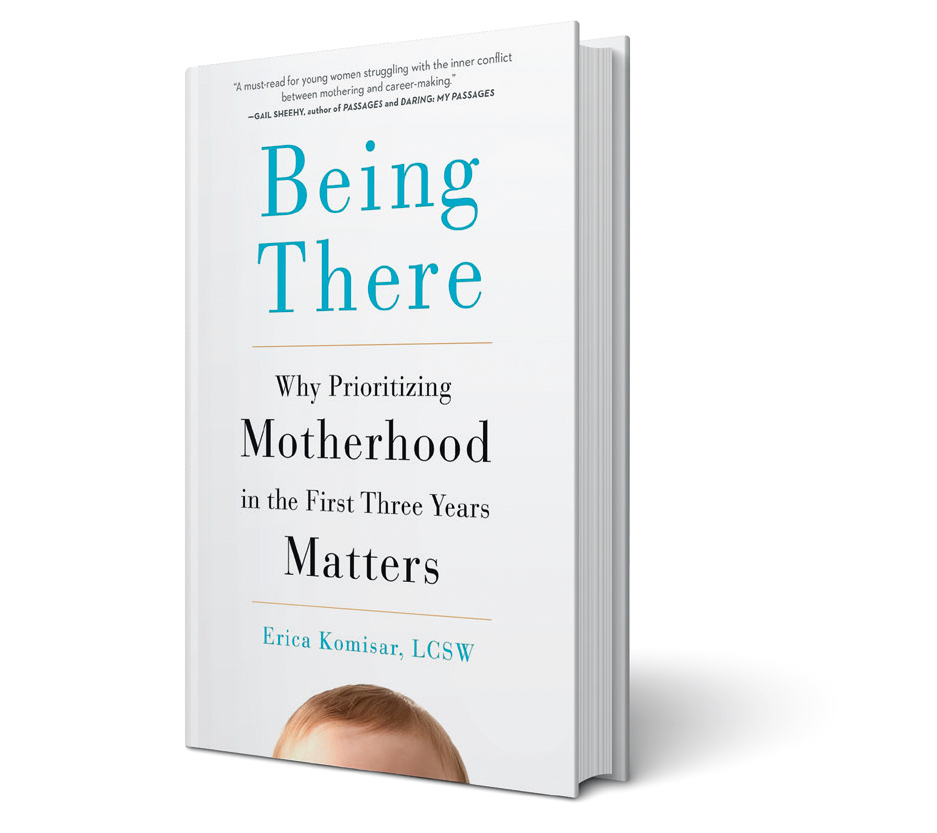
Komisar lived by this advice when raising her own three children, all of whom are now young adults. In those early years, her husband provided for the family, while she decided to work less and put her young children first. In her 2017 book “Being There: Why Prioritizing Motherhood in the First Three Years Matters,” she began by explaining how at times, she delayed writing her book and juggled her schedule to meet the needs of her children. Consequently, she understands parents who feel constantly stressed or at a breaking point, but she reminds them that their long-term and most crucial objective is to instill love, security, and healthy attachment in their children for life.
Looking Ahead
Komisar joked that she wrote “Being There” because “I would go to cocktail parties and dinner parties, and be the most annoying guest, because I couldn’t stop talking about what I was seeing, and was so bothered that the narcissism of our time had driven us to neglect children to the extent that they were suffering. It was sort of like the story of the ‘Emperor’s New Clothes.’ No one else was talking about it.”
Today, Komisar delivers her message to audiences large and small. She advocates for greater societal support so mothers can remain home and care for their children, such as through paid maternity leave, government stipends for caregiving, and tax credits to businesses that provide flexible work schedules for parents. She also encourages women not to fear putting their careers on hold to care for their young children; she explained that they can return to their careers after their children’s formative years.
For now, their children need them in the first three years of their lives. Komisar has noticed that social attitudes are slowly warming to this idea. “There’s a shift happening, even if it’s subtle. Let’s say it’s good to have a little optimism here.”
This article was originally published in American Essence magazine.