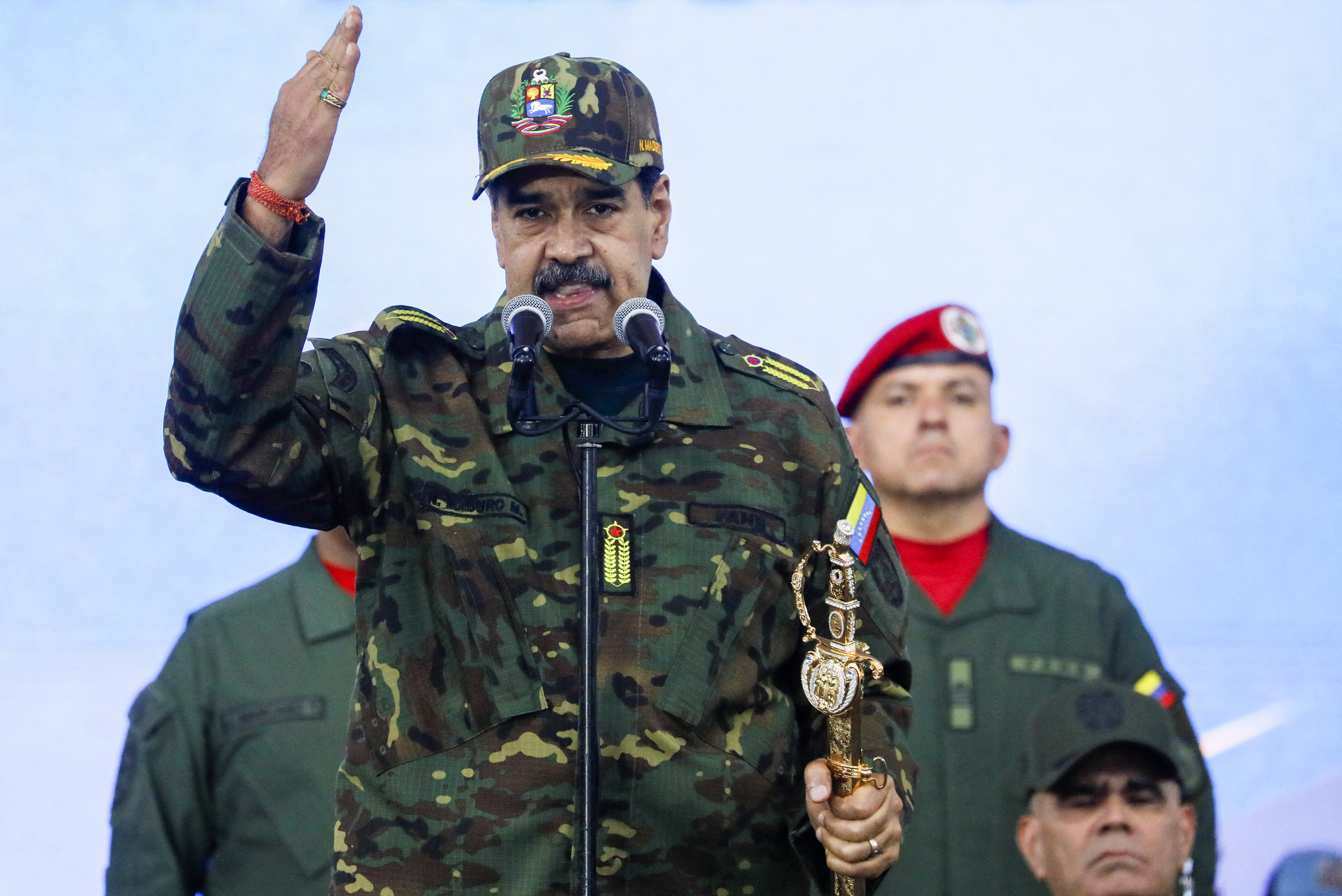
WASHINGTON—The U.S. Department of the Treasury sanctioned three family members of Venezuelan President Nicolas Maduro and six businesses, along with the oil tankers they operate, on Dec. 11.
Three nephews of Maduro’s wife, Cilia Flores, were added to the Office of Foreign Asset Control’s Specially Designated Nationals list.
“Nicolas Maduro and his criminal associates in Venezuela are flooding the United States with drugs that are poisoning the American people,” Treasury Secretary Scott Bessent said in a statement.
Two of the men sanctioned, Efrain Antonio Campo Flores and Franqui Francisco Flores de Freitas, are known narco-traffickers. The two were arrested in Haiti in 2015, and convicted in 2016 for transporting hundreds of kilograms of cocaine destined for the United States.
President Joe Biden granted the two men clemency in 2022, and U.S. officials alleged that they had since returned to Venezuela and resumed trafficking drugs.
“These sanctions undo the Biden administration’s failed attempt to make a deal with Maduro, enabling his dictatorial and brutal control at the expense of the Venezuelan and American people,” Bessent said.
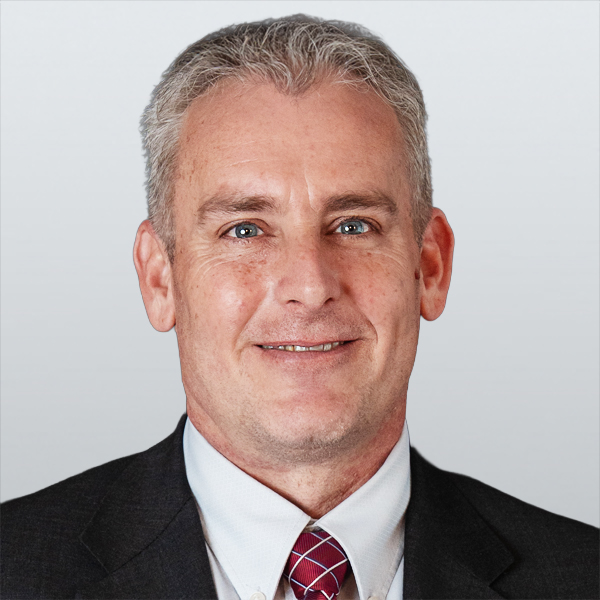
Carlos Erik Malpica Flores, former treasurer of Venezuela and vice president of Petroleos de Venezuela, the nationally owned oil company, was sanctioned for a second time. He was previously targeted by the first Trump administration. Biden removed his name from the sanctions list in 2022.
Other family members already facing sanctions include Maduro’s son and his wife’s three sons from her previous marriage.
A Panamanian businessman, Ramon Carretero Napolitano, was also sanctioned in the recent order for his role in allegedly helping the Venezuelan government avoid oil sanctions.
Six shipping companies and their respective tankers were blocked by the sanctions after U.S. officials deemed their activities illegal because they “engaged in deceptive and shipping practices and continue to provide financial resources that fuel Maduro’s corrupt narco-terrorist regime.”
Operators were attempting to hide their location and prevent detection as they filled up at Venezuelan ports, according to the order.
The move comes after the United States seized an oil vessel on Dec. 10 and follows a series of military strikes targeting boats allegedly involved with drug trafficking operations.
“Under President Trump’s leadership, Treasury is holding the regime and its circle of cronies and companies accountable for its continued crimes,” Bessent said.
One official told reporters the White House is focused on stopping illicit oil sales that fund violence and endanger Americans.
“The Trump administration is executing on the president’s sanction policies and the sanction policies of the United States,” White House press secretary Karoline Leavitt said during a press briefing on Dec. 11. “And we’re not going to stand by and watch sanctioned vessels sail the seas with black market oil, the proceeds of which will fuel narco-terrorism of rogue and illegitimate regimes around the world.”
Investigators are interviewing crew members and searching for evidence on the seized vessel, according to the press secretary.
“The vessel is currently undergoing a forfeiture process,” Leavitt said, noting the United States intends to seize the oil.
“There is a legal process for the seizure of that oil, and that legal process will be followed.”
All property in the United States or controlled by U.S. individuals or businesses of those impacted by sanctions is blocked from transfer, and all assets must be reported to the Treasury’s foreign asset control office.
Restrictions are aimed at correcting illegitimate activities, according to officials.
“The ultimate goal of sanctions is not to punish, but to bring about a positive change in behavior,” the Treasury Department statement reads.