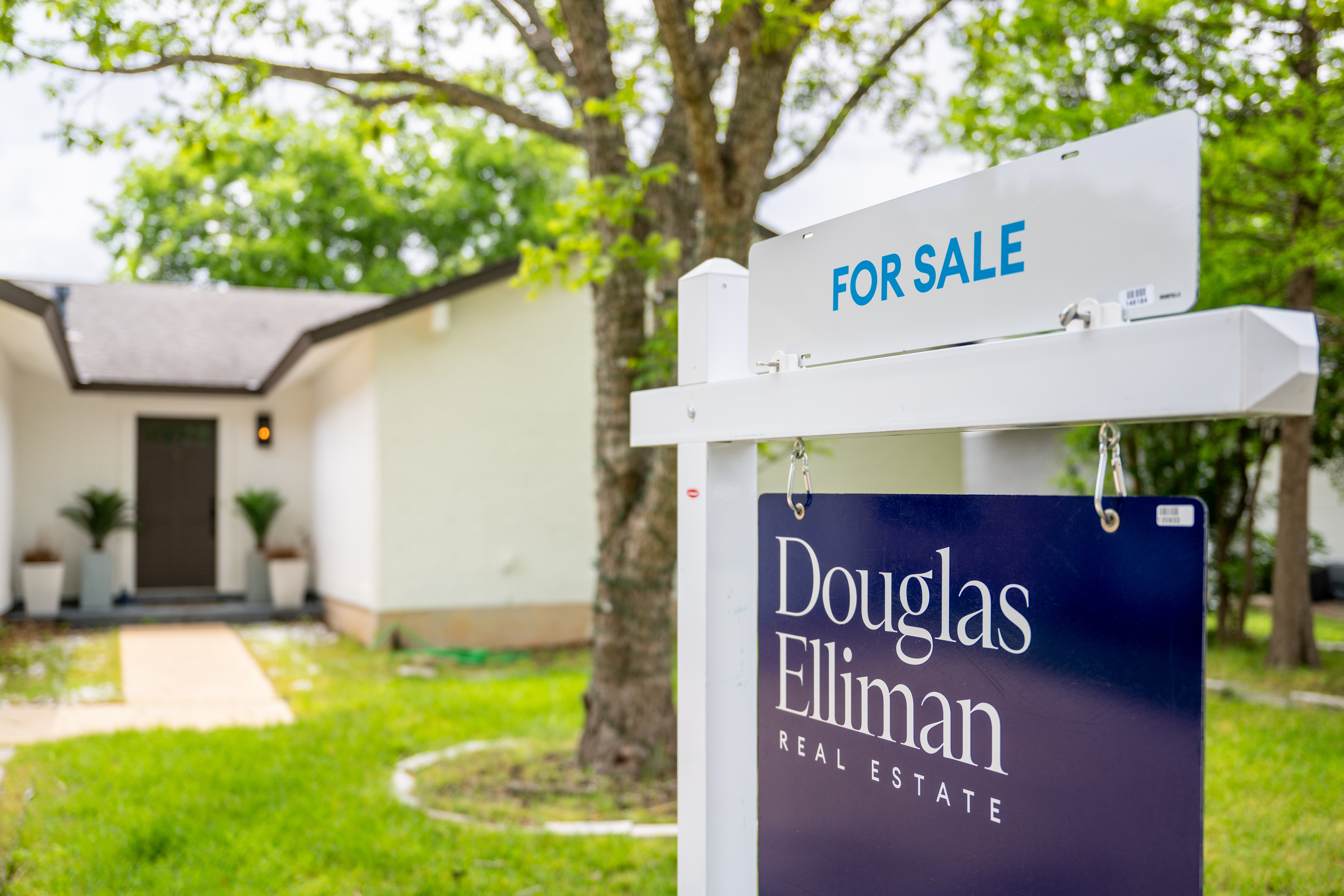

The United States has a shortage of 10 million homes, a gap that the White House’s newly released 2026 Economic Report of the President attributes in part to government regulations that have increased construction costs.
The estimated shortage was calculated by tracking how many single-family homes would have been built if the historical pace up to 2008 had continued, according to the report, issued on April 13 by the Council of Economic Advisers.
Housing costs surged as demand outpaced supply, with regulatory hurdles such as fees, mandates, and permitting delays adding what it described as a six-figure “bureaucrat tax” to the cost of building a new home. The report highlights “California-style” regulations as a key example.
Burdensome rules not only raise housing costs but also reduce productivity and economic opportunity, according to the analysis by the council, an agency within the Executive Office of the President.
The 10 million home shortage was higher than other recent estimates. The Federal Home Loan Mortgage Corporation, known as Freddie Mac, estimated the shortage at 3.7 million units in the third quarter of 2024. In March, Realtor.com estimated the housing gap at 4.03 million for 2025.
A much lower figure was cited by Rick Palacios, Jr., director of research at John Burns Research and Consulting.
“Our housing shortage estimate is 1 million, and it’s shrinking,” he said in an April 13 X post. “This 10 million figure far exceeds all other estimates I’ve ever come across over the years.”
President Donald Trump linked the housing shortage to illegal immigration under the Biden administration.
“Uncontrolled illegal immigration inflated the price of housing and lowered real wages for Americans—all while burdening taxpayers with hundreds of billions of dollars in benefits paid to these illegal immigrants annually,” Trump wrote in a letter attached to the report.
The Council of Economic Advisers said that states such as Texas had fewer regulatory barriers and higher levels of homebuilding and relatively lower housing costs.
They cited a recent study that found family housing costs 2.3 times more in California than it does in Texas and that “government overhead is a major driving force of the gap.”
Impact and development fees averaged $29,000 per unit in California compared with less than $1,000 in Texas, and it takes an average of 22 months longer to complete a project in California than in Texas, the report said.
Cutting back regulations would allow more new homebuyers to afford a home, protect home values, and ease financial pressure for existing homeowners, the report concluded.
Affordable housing has been a focus of the Trump administration. The president issued an executive order on March 13 aimed at reducing barriers to housing construction by streamlining regulations, including the permitting process tied to environmental reviews.
“Layers of unnecessary regulatory barriers, slow permitting processes, and onerous mandates at all levels of government have delayed construction, restricted development, and driven up the costs of new housing,” the order states. “These constraints have made housing less affordable for many Americans.”